
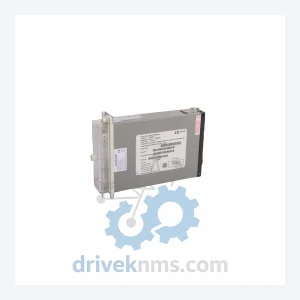
ALSTOM MVAJ105RA0802A Protection Relay – MiCOM Series
Alstom MVAJ105RA0802A is listed for MiCOM Series RFQ review. Confirm quantity, condition and destination before quotation.
RFQ-ready industrial model
Model: E650
Product Overview
Commercial availability is handled through direct RFQ, model verification and export-oriented follow-up rather than public cart checkout.
Datasheet Preview
Use attached product manuals when available. If the manual is not public yet, request the full file directly through RFQ.
Commercial Path
Product pages on DRIVEKNMS are designed to verify model, brand and series first, then move the buyer into one clean quotation path.
Technical Dossier
RFQ support for obsolete parts: Send the model number, required quantity and destination so DriveKNMS can confirm sourcing options before quotation.
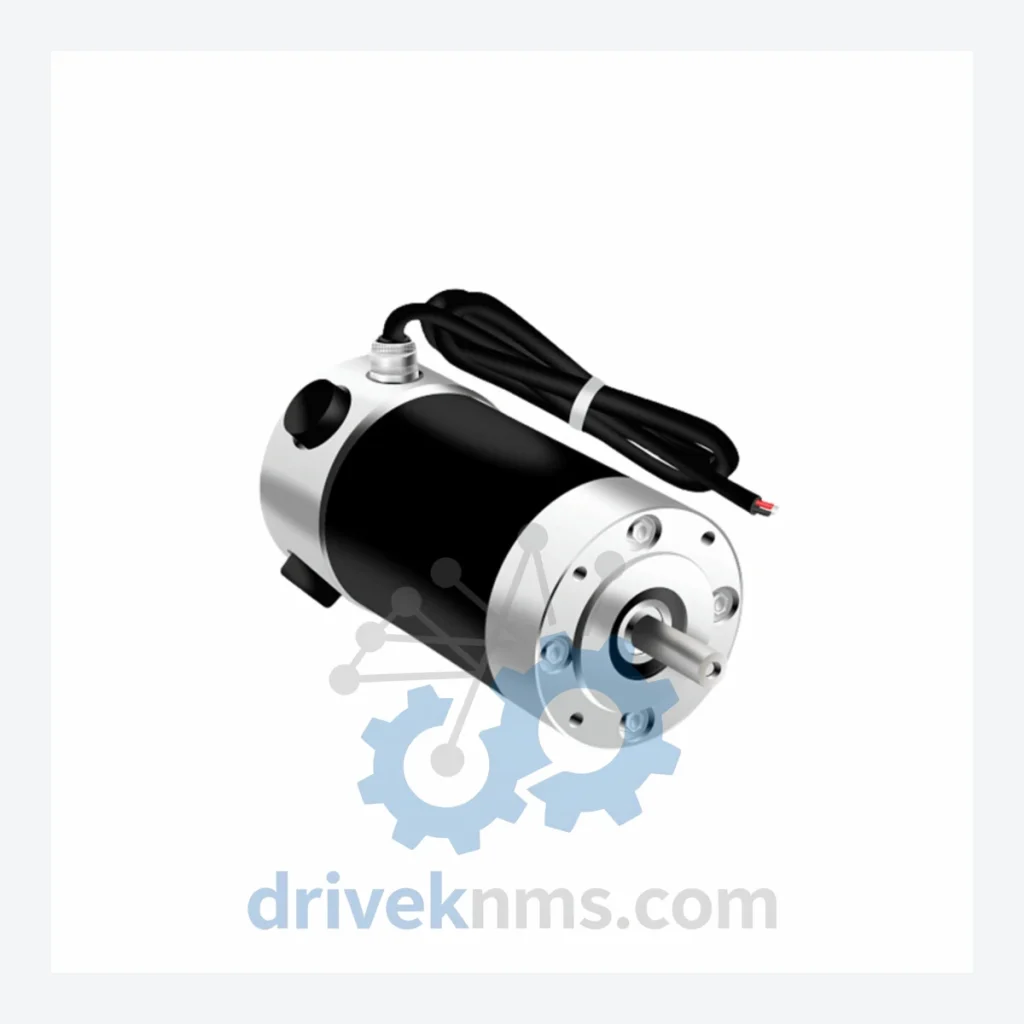
| Attribute | Detail |
|---|---|
| Manufacturer | ELECTRO-CRAFT (Rockwell Automation / Reliance Electric heritage) |
| Model / Part Number | E650 |
| Product Category | Servo Motor |
| Production Status | Discontinued / Obsolete – No longer manufactured |
| Country of Origin | United States |
| Typical Application | Precision motion control in legacy CNC, packaging, and industrial automation systems |
| Compatible Drive Platforms | ELECTRO-CRAFT BRU Series, legacy Rockwell/Reliance motion control drives |
Note: Electrical parameters (voltage, current rating, encoder resolution, shaft dimensions) vary by sub-variant. Confirm your exact nameplate data before ordering. DriveKNMS will cross-reference your unit specifications upon inquiry.
The ELECTRO-CRAFT E650 was deployed extensively in motion-critical applications during the 1980s and 1990s — CNC machining centers, automated assembly lines, and precision packaging equipment. Many of these systems remain in active production today because the cost and disruption of full replacement cannot be justified against current capital budgets.
A verified spare E650 eliminates that entire cost chain. It restores the machine to its validated, certified operating state without touching the control architecture. For plant managers operating under capital expenditure constraints, this is not a workaround — it is a defensible asset protection strategy.
Facilities running ELECTRO-CRAFT BRU-series drive systems, or legacy Rockwell motion controllers, should treat the E650 as a critical long-lead item and maintain at least one cold spare on-site. The procurement window for verified units is narrowing as global secondary market inventory depletes.
For plant engineering and operations management facing system retirement pressure, the following approach has proven effective in extending the productive life of legacy servo-based automation assets without triggering full capital replacement cycles:
1. Conduct a critical-path spare audit. Identify every servo motor and drive in your facility that is discontinued or approaching end-of-support. Rank them by production impact — a failure on a single-point-of-failure axis is categorically different from a redundant conveyor drive. The E650, if it sits on a critical axis, belongs at the top of that list.
3. Implement controlled storage protocols. Servo motors in long-term storage require periodic shaft rotation to prevent bearing brinelling, low-humidity environments to protect winding insulation, and anti-static packaging for encoder electronics. A motor stored incorrectly for 18 months may fail within hours of installation.
4. Document firmware and parameter sets before any failure occurs. For systems where the E650 interfaces with a digital drive, capture all drive parameter sets, tuning values, and encoder configurations now. A motor swap without this data can extend commissioning time from hours to days.
This framework does not require capital investment in new equipment. It requires disciplined inventory management and procurement planning. For assets with 5–10 years of remaining productive life, it is the most cost-effective path available.
Every ELECTRO-CRAFT E650 unit processed by DriveKNMS undergoes a structured 5-step inspection protocol before it is offered for sale. This process is designed specifically for the failure modes common to servo motors of this age and design generation:
Step 1 – Visual and mechanical inspection. Full external examination for housing cracks, shaft damage, connector pin corrosion, and keyway wear. Units with structural compromise are rejected at this stage.
Step 2 – Winding resistance and insulation testing. Phase-to-phase resistance balance and insulation resistance (megger) testing to identify winding degradation. Motors with insulation resistance below acceptable thresholds are not offered for sale.
Step 3 – Bearing assessment. Manual rotation check for roughness, noise, and axial play. Bearings showing wear beyond tolerance are replaced with OEM-equivalent components before the unit is cleared.
Step 4 – Encoder and feedback device verification. Where applicable, encoder integrity is verified. Pin corrosion on feedback connectors — a common failure point on motors of this vintage — is cleaned and assessed. Units with compromised encoder signals are flagged and disclosed.
Step 5 – Electrolytic capacitor condition review (where drive-integrated). For any associated drive components, capacitor condition is assessed given the known degradation timeline of electrolytic capacitors in equipment of this age.
Condition grade and any findings are disclosed in full at the time of quotation. DriveKNMS does not ship units without a completed inspection record.
Q: How are RFQ terms confirmed?
A: Quantity, required condition, documentation needs, destination and sourcing route are confirmed during RFQ review before quotation.
Q: Can you support multi-unit or repeat RFQ requests?
A: Yes. Send the model list, target quantity and destination so DRIVEKNMS can review sourcing options and quote the requirement as a project RFQ.
Q: How do I confirm the E650 sub-variant I need?
A: Provide the full nameplate data from your installed motor — including any suffix codes on the part number, voltage rating, and encoder type. DriveKNMS will confirm compatibility before dispatch review.
Continue The Model Path
Move from this exact model into the matching system hub, brand archive, model-family archive or lifecycle sourcing route before sending a final RFQ list.
Related Paths
Alstom MVAJ105RA0802A is listed for MiCOM Series RFQ review. Confirm quantity, condition and destination before quotation.
Moore 16137-174 is listed for Servo Drives RFQ review. Confirm quantity, condition and destination before quotation.
Fuji Electric EP-3364B-CA-Z2 is listed for FRENIC Series RFQ review. Confirm quantity, condition and destination before quotation.