
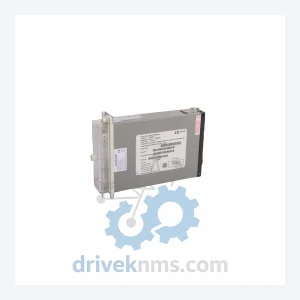
ALSTOM MVAJ105RA0802A Protection Relay – MiCOM Series
Alstom MVAJ105RA0802A is listed for MiCOM Series RFQ review. Confirm quantity, condition and destination before quotation.
RFQ-ready industrial model
Model: AP14341 0021-18439 0020-35993
Product Overview
Commercial availability is handled through direct RFQ, model verification and export-oriented follow-up rather than public cart checkout.
Datasheet Preview
Use attached product manuals when available. If the manual is not public yet, request the full file directly through RFQ.
Commercial Path
Product pages on DRIVEKNMS are designed to verify model, brand and series first, then move the buyer into one clean quotation path.
Technical Dossier
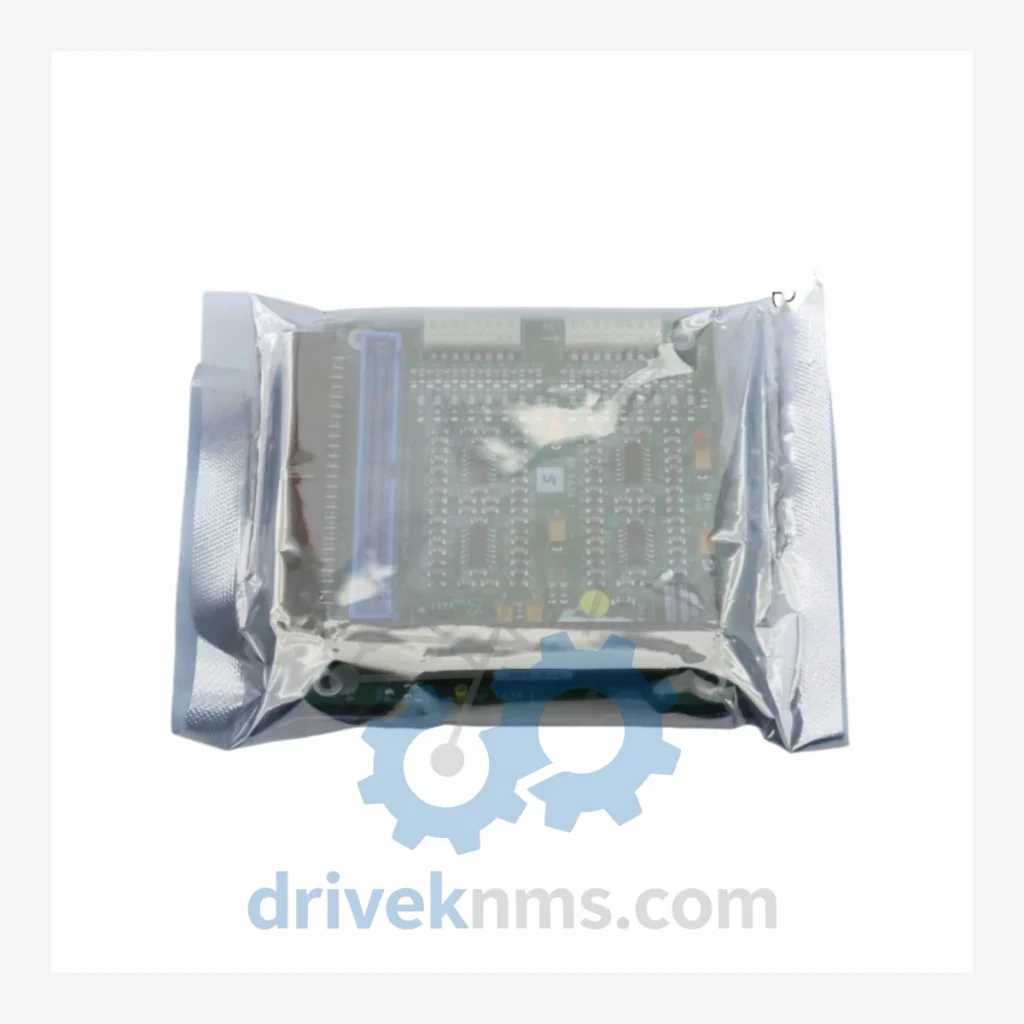
DriveKNMS maintains sourced inventory of the Chemguard AP14341 / 0021-18439 / 0020-35993 Interface Board — a discontinued component that no longer appears in active distribution channels. If your facility runs a Chemguard fire suppression system on an EMC chassis platform, this is a critical asset protection decision, not a routine procurement.
RFQ support for obsolete parts: Send the model number, required quantity and destination so DriveKNMS can confirm sourcing options before quotation.
| Parameter | Detail |
|---|---|
| Part Number | AP14341 |
| Sub-Reference 1 | 0021-18439 |
| Sub-Reference 2 | 0020-35993 |
| Description | Chemguard Interface Board (EMC Chassis) |
| Product Category | Fire Suppression Control Module |
| Manufacturer | Chemguard (Tyco / Johnson Controls lineage) |
| Country of Origin | United States |
| Discontinuation Status | Obsolete – No longer in active production or standard distribution |
| Typical System Compatibility | Chemguard legacy fire suppression panels using EMC chassis architecture |
Note: Electrical parameters for this discontinued board are not published in current documentation. DriveKNMS does not fabricate specifications. All technical verification is conducted during our QA process prior to shipment.
Chemguard fire suppression systems built on EMC chassis platforms were deployed extensively in industrial facilities, data centers, and critical infrastructure throughout the 1990s and 2000s. These systems were engineered for long service lives — and many remain fully functional at the panel and suppression agent level. The interface board, however, is the communication and control bridge between detection inputs and suppression outputs. Its failure does not degrade performance gradually; it removes the system from service immediately.
The discontinuation of this board creates a specific operational trap: the surrounding infrastructure — piping, agent storage, detection wiring, zone mapping — retains full value, but the system cannot be certified or operated without a functioning interface board. Sourcing a replacement from the secondary market is the only path that preserves that infrastructure investment without triggering a full system replacement cycle.
Facilities that have secured verified spare boards for this platform report extended operational continuity of 7 to 12 years beyond the original manufacturer end-of-life date. That is not an accident — it is the direct result of treating critical interface components as capital assets rather than consumables.
For plant managers and facility engineers operating legacy fire suppression or industrial safety systems, the pressure to retire aging infrastructure is constant — from insurers, from auditors, and from OEMs who have moved on. The following approach has been used by facilities across petrochemical, pharmaceutical, and heavy manufacturing sectors to defer that pressure at a fraction of replacement cost:
1. Identify single-point-of-failure components. Interface boards, communication modules, and power supply cards are the components most likely to cause full system shutdown when they fail. They are also the components least likely to be stocked by distributors after discontinuation. Prioritize these for reserve inventory.
4. Document firmware and configuration state. Before any board replacement, capture the current configuration state of the panel. For legacy Chemguard systems, this documentation is often the only record of zone logic that was never digitized.
5. Engage a specialist supplier with QA protocols. Not all secondary market inventory is equal. Boards that have been improperly stored, subjected to humidity, or have degraded capacitors will fail in service. A supplier with documented inspection procedures is not optional — it is the baseline requirement for safety-critical systems.
Every Chemguard AP14341 interface board processed by DriveKNMS passes through a five-stage inspection protocol before it is offered for sale. This protocol was developed specifically for legacy industrial control and safety system components where field failure is not recoverable through a simple reboot.
Stage 1 – Visual and Physical Inspection: Full board examination for mechanical damage, burn marks, corrosion on traces, and pin integrity. Boards with any evidence of thermal events are rejected at this stage.
Stage 2 – Electrolytic Capacitor Assessment: Aging electrolytic capacitors are the primary failure mode in boards of this era. Each capacitor is inspected for bulging, leakage, and ESR deviation. Boards with suspect capacitors are either recapped by qualified technicians or removed from inventory.
Stage 3 – Connector and Pin Corrosion Check: All edge connectors and pin headers are examined under magnification. Oxidation is treated; boards with structural pin damage are not offered for sale.
Stage 4 – Firmware Version Verification: Where firmware version markings are present on the board, these are documented and disclosed to the buyer prior to shipment. Compatibility with the target panel revision is the buyer's responsibility to confirm, and DriveKNMS provides all available version data to support that decision.
Stage 5 – Functional Documentation Review: Any available test records, original packaging, or provenance documentation accompanying the board is reviewed and included with the shipment where applicable.
Drop-in replacement compatibility: The AP14341 interface board is designed to seat directly into the EMC chassis without modification to the chassis backplane or wiring harness. No re-engineering of the suppression zone wiring is required.
No reprogramming required: In standard replacement scenarios, the panel retains its zone configuration at the panel controller level. The interface board does not store zone logic independently, which means a board swap does not require a system reconfiguration or recommissioning event in most installations. Confirm with your system documentation before proceeding.
Q: How should I store a reserve unit?
A: Store in a sealed anti-static bag inside a dry, temperature-controlled environment. Avoid humidity above 60% RH and temperature cycling. Inspect the reserve unit annually for any signs of capacitor degradation.
Q: Can DriveKNMS source multiple units for a long-term spares program?
A: Yes. Contact us with your quantity requirements and target delivery schedule. For facilities managing multiple Chemguard panels, we can discuss structured procurement arrangements.
Q: How do I confirm compatibility with my specific panel revision?
A: Provide your panel model number and current board revision markings when you contact us. DriveKNMS will cross-reference available documentation and disclose any known revision compatibility constraints before the order is confirmed.
Continue The Model Path
Move from this exact model into the matching system hub, brand archive, model-family archive or lifecycle sourcing route before sending a final RFQ list.
Related Paths
Alstom MVAJ105RA0802A is listed for MiCOM Series RFQ review. Confirm quantity, condition and destination before quotation.
Moore 16137-174 is listed for Servo Drives RFQ review. Confirm quantity, condition and destination before quotation.
Fuji Electric EP-3364B-CA-Z2 is listed for FRENIC Series RFQ review. Confirm quantity, condition and destination before quotation.