
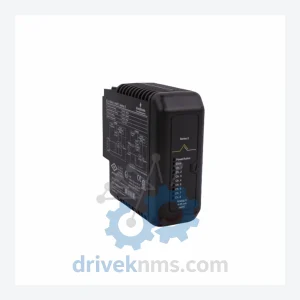
EMERSON KJ3204X1-BA1 12P3275X032 VE4002S1T2B5 Output Module – DeltaV Series
Emerson KJ3204X1-BA1 12P3275X032 VE4002S1T2B5 is listed for DeltaV RFQ review. Confirm quantity, condition and destination before quotation.
RFQ-ready industrial model
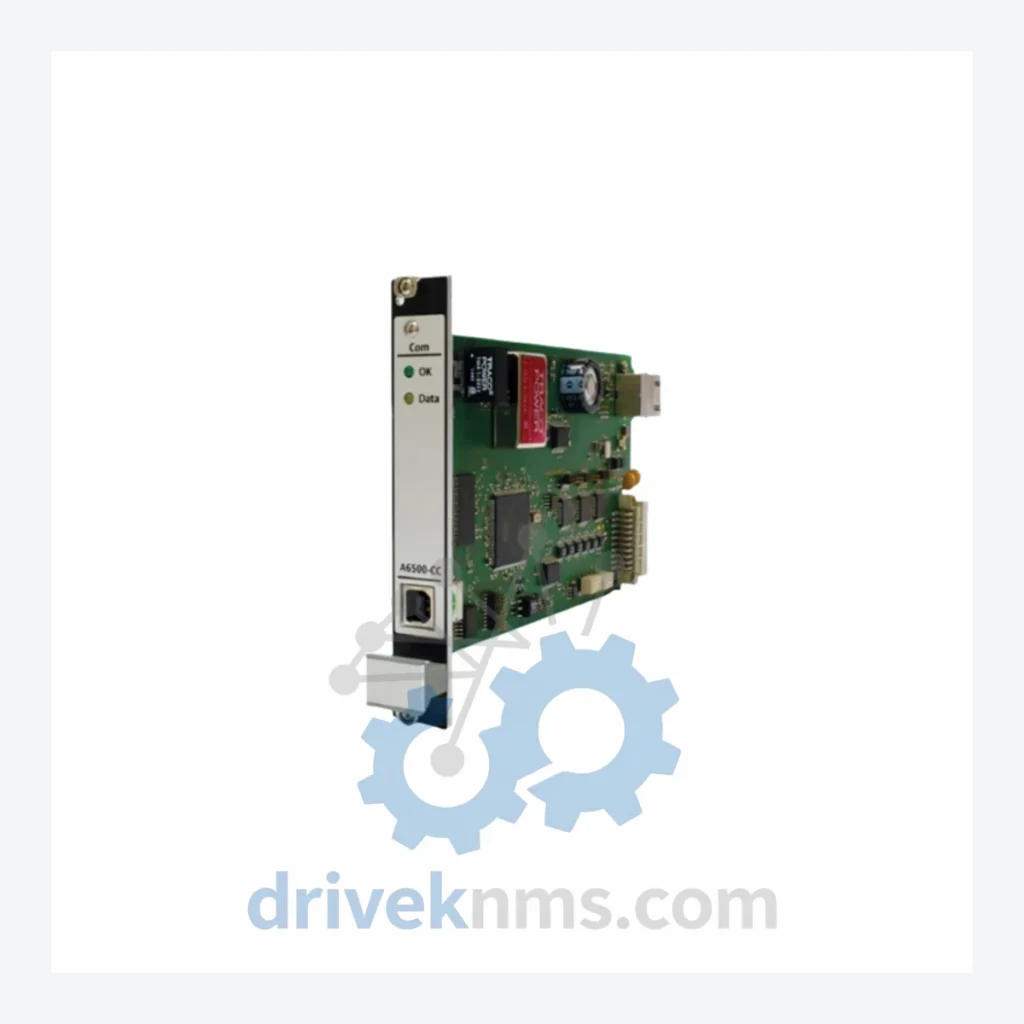
Model: A6500CC
Product Overview
Commercial availability is handled through direct RFQ, model verification and export-oriented follow-up rather than public cart checkout.
Datasheet Preview
Use attached product manuals when available. If the manual is not public yet, request the full file directly through RFQ.
Commercial Path
Product pages on DRIVEKNMS are designed to verify model, brand and series first, then move the buyer into one clean quotation path.
Technical Dossier
RFQ support for obsolete parts: Send the model number, required quantity and destination so DriveKNMS can confirm sourcing options before quotation.
Note: Electrical parameters not independently verified by DriveKNMS lab are intentionally omitted. Specifications are confirmed against OEM documentation where available. Do not rely on third-party parameter listings for safety-critical installations.
The Emerson DeltaV platform was deployed extensively across refining, pharmaceutical, and specialty chemical facilities throughout the 1990s and 2000s. The A6500CC Communication Card served as a critical data pathway within those architectures — handling inter-controller and network communication functions that the overall system depends on for deterministic process control.
Emerson's end-of-life policy for legacy DeltaV hardware leaves facilities in a difficult position: the installed base continues to operate reliably, but OEM repair and replacement support has been withdrawn. A single failed A6500CC can isolate a controller node, degrade network redundancy, or trigger a full system fault depending on the architecture. In facilities where the DeltaV system governs batch sequencing, safety interlocks, or continuous process loops, that failure mode is not acceptable.
The standard OEM recommendation — migrate to a current platform — is technically sound but commercially impractical for most facilities on a 3–7 year capital planning cycle. Procurement of verified spare A6500CC units is the only strategy that maintains system integrity without triggering a capital project. Facilities that maintain a 2–3 unit buffer of critical communication cards routinely extend their DeltaV asset life by 5 to 10 years beyond OEM support withdrawal, at a fraction of the cost of a platform migration.
For plant engineering and maintenance managers operating under budget constraints, the calculus is straightforward: the cost of one verified A6500CC spare is measured in thousands of dollars. The cost of an unplanned migration, triggered by an unavailable part during a production run, is measured in millions.
DriveKNMS applies a 5-step inspection protocol to all obsolete communication modules before dispatch review:
Continue The Model Path
Move from this exact model into the matching system hub, brand archive, model-family archive or lifecycle sourcing route before sending a final RFQ list.
Related Paths
Emerson KJ3204X1-BA1 12P3275X032 VE4002S1T2B5 is listed for DeltaV RFQ review. Confirm quantity, condition and destination before quotation.
Fisher 01984-4080-0001 is listed for DeltaV RFQ review. Confirm quantity, condition and destination before quotation.
Emerson KJ2201X1-BA1 12P3162X142 SLS1508 is listed for DeltaV RFQ review. Confirm quantity, condition and destination before quotation.