
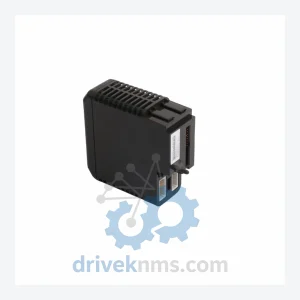
Emerson DeltaV KJ3241X1-BA1 12P2506X072 Interface Card
Emerson KJ3241X1-BA1 12P2506X072 is listed for DeltaV RFQ review. Confirm quantity, condition and destination before quotation.
RFQ-ready industrial model
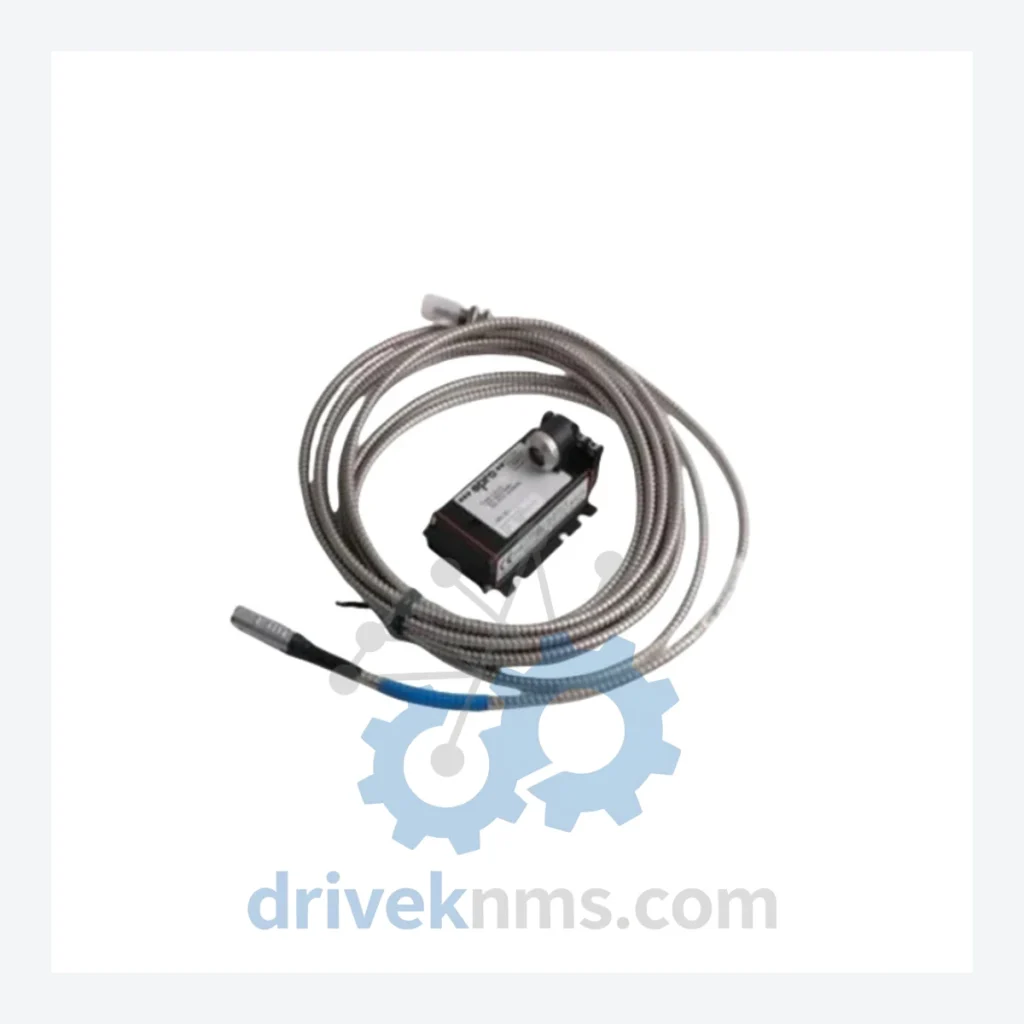
Model: PR 6424/000-040-CN CON021
Product Overview
Commercial availability is handled through direct RFQ, model verification and export-oriented follow-up rather than public cart checkout.
Datasheet Preview
Use attached product manuals when available. If the manual is not public yet, request the full file directly through RFQ.
Commercial Path
Product pages on DRIVEKNMS are designed to verify model, brand and series first, then move the buyer into one clean quotation path.
Technical Dossier
RFQ support for obsolete parts: Send the model number, required quantity and destination so DriveKNMS can confirm sourcing options before quotation.
| Parameter | Value |
|---|---|
| Manufacturer | Emerson (EPRO) |
| Part Number | PR 6424/000-040-CN CON021 |
| Series | EPRO PR 6424 |
| Type | Eddy Current (Non-contact) Displacement Sensor |
| Cable Length | 40 cm (per /000-040 designation) |
| Connector Type | CON021 |
| Application | Shaft radial vibration, axial position, and speed measurement on rotating machinery |
| Compatibility | Emerson EPRO driver/extension cable systems; compatible with PR 6423 / PR 6426 series drivers |
| Production Status | Discontinued – No longer in standard Emerson production or distribution |
| Country of Origin | Germany |
The EPRO PR 6424 series was a cornerstone of Emerson's eddy current measurement platform, deployed extensively in gas turbines, steam turbines, compressors, and large pumps across petrochemical, power generation, and heavy industrial facilities. These sensors operate as the primary input to vibration protection systems — without a functioning sensor, the entire monitoring loop is compromised, and most safety-certified installations will force a machine trip or require manual bypass procedures that introduce operational risk.
The PR 6424/000-040-CN CON021 variant — with its 40 cm cable and CON021 connector — was specified into thousands of installations during the 1990s and 2000s. Emerson's transition to newer sensor platforms has left these sites without a factory-supported replacement path. Third-party alternatives require recalibration of the driver module, adjustment of gap voltage setpoints, and in many cases, re-certification of the protection system — a process that can take weeks and cost more than the annual maintenance budget for the entire machine train.
Plant managers facing pressure to defer capital replacement of aging turbomachinery protection systems have a viable alternative: a structured critical-spares program built around the specific obsolete components that represent the highest failure risk. The following principles apply directly to EPRO-based installations:
3. Implement a rotation and inspection protocol. Obsolete sensors in storage are not indefinitely reliable. A scheduled inspection cycle — checking connector integrity, cable insulation, and sensor tip condition every 18–24 months — ensures that stored spares remain fit for service when needed.
4. Document the configuration baseline. Before any sensor swap, record the existing gap voltage, driver output, and alarm/trip setpoints. This baseline is the reference for post-installation verification and eliminates ambiguity during emergency maintenance.
Every PR 6424/000-040-CN CON021 unit shipped by DriveKNMS passes a structured 5-step inspection protocol before dispatch:
Step 1 – Visual and mechanical inspection. Sensor tip, cable jacket, and connector body are examined for physical damage, corrosion, and pin integrity. Units with any evidence of tip damage or connector pin deformation are rejected.
Step 2 – Connector pin verification. CON021 connector pins are checked for oxidation, bending, and contact resistance. Pin corrosion is the most common failure mode for stored sensors and is inspected under magnification.
Step 3 – Cable continuity and insulation resistance test. The 40 cm cable assembly is tested for continuity and insulation resistance to confirm no internal breaks or degradation from storage conditions.
Step 4 – Sensor coil resistance check. The eddy current probe coil is measured for resistance within the manufacturer's specified range. Deviation indicates coil damage or internal corrosion and results in rejection.
Step 5 – Firmware and labeling verification. Part number markings, date codes, and any embedded identification are verified against the PR 6424/000-040-CN CON021 specification to confirm authenticity and correct variant.
Units that pass all five steps are packaged in anti-static, moisture-barrier packaging with a DriveKNMS inspection record included.
Drop-in replacement: The PR 6424/000-040-CN CON021 installs directly into existing EPRO probe holders with no mechanical modification required.
No driver recalibration required: When replacing a like-for-like PR 6424 variant, the existing driver module gap voltage calibration remains valid. Post-installation verification of gap voltage is standard practice but does not require a full recalibration procedure.
No system reprogramming: The sensor operates passively within the eddy current measurement loop. Replacement does not trigger any software or configuration change requirement in the connected protection system or DCS.
Avoids engineering change costs: Using a direct replacement eliminates the need for an engineering change order, third-party compatibility assessment, or protection system re-certification — costs that routinely exceed USD 20,000–50,000 for a single machine.
Q: How do I confirm the unit is genuine and not a counterfeit?
A: Each unit is inspected for authentic Emerson EPRO markings, correct part number labeling, and date code consistency. An inspection record is included with every shipment. We do not source from unverified secondary markets.
Continue The Model Path
Move from this exact model into the matching system hub, brand archive, model-family archive or lifecycle sourcing route before sending a final RFQ list.
Related Paths
Emerson KJ3241X1-BA1 12P2506X072 is listed for DeltaV RFQ review. Confirm quantity, condition and destination before quotation.
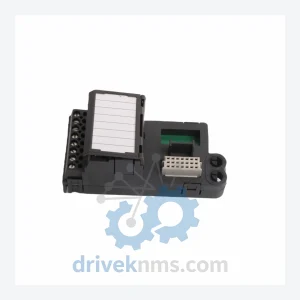
Emerson KJ3003X1-EA1 12P0921X062 is listed for DeltaV RFQ review. Confirm quantity, condition and destination before quotation.
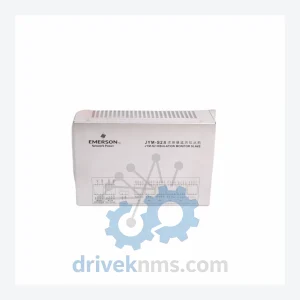
Emerson JYM-S2 is listed for Monitoring Systems RFQ review. Confirm quantity, condition and destination before quotation.