
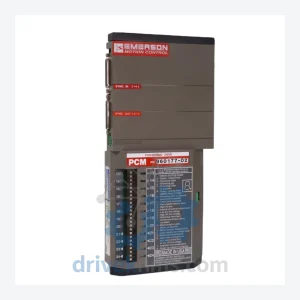
EMERSON 960177-02 Module Positioning Drive – Control Techniques Series
Emerson 960177-02 is listed for Control Techniques Series RFQ review. Confirm quantity, condition and destination before quotation.
RFQ-ready industrial model
Model: F14B3GM2
Product Overview
Commercial availability is handled through direct RFQ, model verification and export-oriented follow-up rather than public cart checkout.
Datasheet Preview
Use attached product manuals when available. If the manual is not public yet, request the full file directly through RFQ.
Commercial Path
Product pages on DRIVEKNMS are designed to verify model, brand and series first, then move the buyer into one clean quotation path.
Technical Dossier
RFQ support for obsolete parts: Send the model number, required quantity and destination so DriveKNMS can confirm sourcing options before quotation.
Note: Electrical parameters such as voltage ratings and current specifications vary by host drive configuration. DriveKNMS will confirm compatibility against your specific drive serial number prior to shipment. No parameters are published here that cannot be independently verified — equipment safety depends on it.
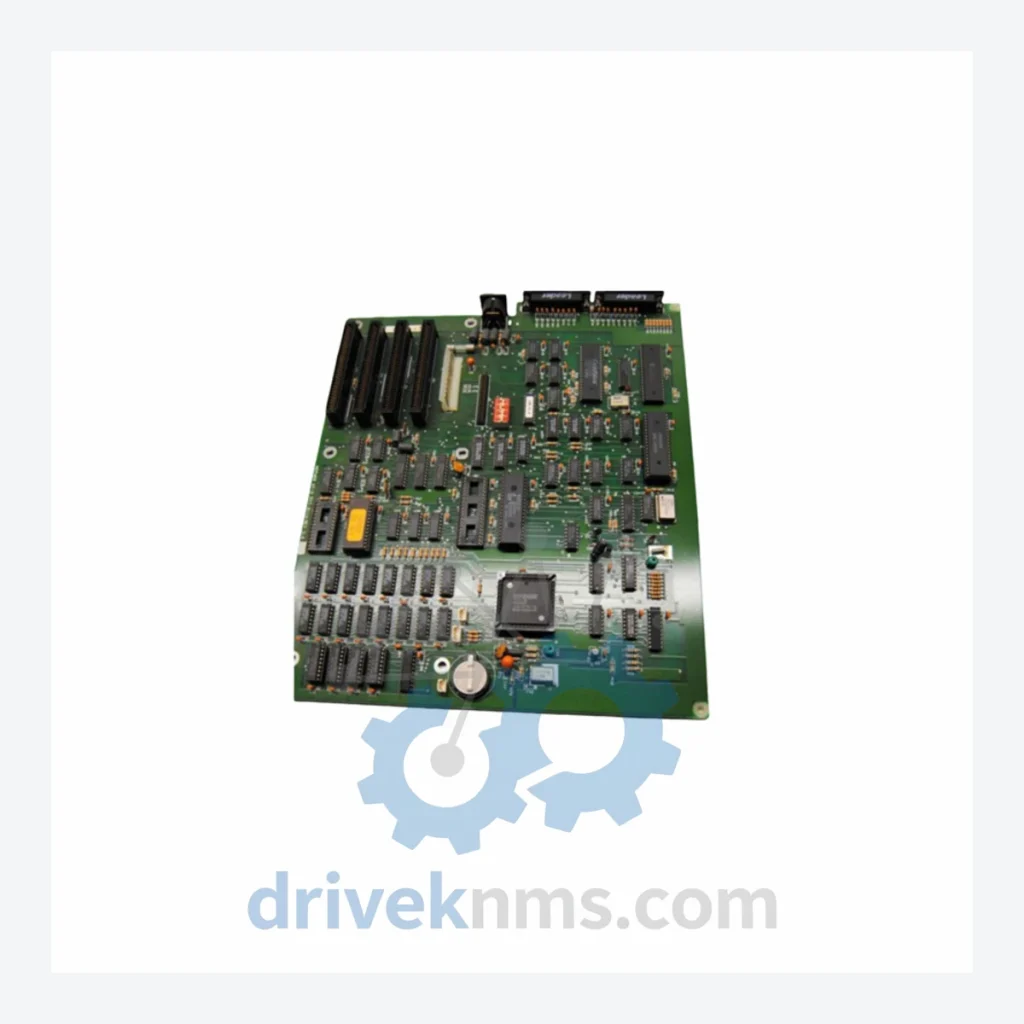
The Emerson F14B3GM2 drive board operates within variable frequency drive (VFD) systems that remain embedded in manufacturing infrastructure across petrochemical, water treatment, mining, and heavy process industries. These drives were engineered for 20–30 year operational lifespans, and many facilities built their production architecture around them. The problem is not the drive itself — it is that the supply chain for its internal components collapsed years before the drives themselves reached end of mechanical life.
When this board fails, the host drive becomes inoperable. The downstream consequence is not simply a repair ticket. It is a forced decision: source the F14B3GM2 from the secondary market, or commit to a full drive replacement program that requires new motor cabling, updated control wiring, PLC parameter re-mapping, and in many cases, a full safety re-certification of the affected panel. For a single drive, that engineering scope typically runs 6–18 weeks and carries costs that dwarf the value of the original equipment.
Facilities that have maintained a strategic spare of the F14B3GM2 have consistently avoided this scenario. The board is a direct replacement within the existing drive chassis — no mechanical modification, no firmware migration, no re-commissioning of upstream control logic. The operational continuity argument is straightforward: one spare board, stored correctly, eliminates the single largest failure risk in the drive system.
For plant managers operating under capital expenditure constraints, the F14B3GM2 spare represents the lowest-cost insurance policy available against a multi-week production stoppage. The math does not require a detailed analysis — the cost of one spare board is a rounding error against the cost of one unplanned shutdown.
Facilities running legacy Emerson and Control Techniques drive systems face a structural challenge: OEM support has ended, but the mechanical and electrical infrastructure these drives control remains fully functional and expensive to replace. The following approach has been applied successfully by maintenance engineering teams to extend asset life without capital reinvestment in new drive platforms.
1. Failure Mode Mapping: Identify the three to five components within each legacy drive that represent the highest failure probability — typically power semiconductors, gate driver boards, and control boards such as the F14B3GM2. These are the components that, when they fail, render the entire drive inoperable. Map these against your installed base and calculate the exposure per failure event.
4. Firmware and Parameter Archiving: Before any board replacement, ensure all drive parameters are archived to an external device. For legacy Emerson drives, parameter loss during board swap is a documented risk. A complete parameter backup eliminates re-commissioning time entirely.
5. Vendor Qualification for Secondary Market Parts: Not all secondary market inventory is equivalent. Require documentation of storage conditions, visual inspection reports, and where applicable, functional test records. DriveKNMS applies a structured QA process to all boards before dispatch review — details are in the section below.
DriveKNMS applies a 5-step qualification process to all obsolete drive boards before they leave our facility. This process was developed specifically for components that have been in storage or secondary market circulation, where degradation risks are predictable and addressable.
Step 1 – Visual and Mechanical Inspection: Full board examination under magnification. Pin corrosion, solder joint cracking, and PCB delamination are documented and assessed against acceptance criteria.
Step 2 – Electrolytic Capacitor Assessment: Electrolytic capacitors are the primary age-related failure point on drive control boards. Each capacitor is checked for physical swelling, electrolyte leakage, and where test equipment permits, capacitance and ESR measurement against rated values.
Step 3 – Firmware Version Verification: Where the board carries embedded firmware, the version is recorded and cross-referenced against known compatibility requirements for the target drive platform. Mismatched firmware versions are flagged before dispatch review.
Step 4 – Connector and Interface Inspection: All edge connectors, ribbon cable interfaces, and board-to-board connectors are cleaned and inspected. Contact resistance is checked on critical signal paths.
Step 5 – Functional Verification (where applicable): Boards that can be tested on bench equipment are powered and verified for basic operational response before packaging. Test records are available on request.
The F14B3GM2 is a direct board-level replacement within compatible Emerson / Control Techniques drive chassis. There is no mechanical modification required to the drive enclosure. The board mounts to existing standoffs and connects via the original harness.
No PLC reprogramming is required. The drive's control logic, parameter set, and communication configuration remain intact following a board swap, provided parameters have been archived prior to the replacement procedure. This eliminates the engineering cost associated with re-commissioning a new drive platform — typically the largest single cost item in a drive replacement project.
For facilities operating multiple identical drives, a single spare F14B3GM2 provides coverage across the entire installed base of that drive type. This is the most capital-efficient approach to spare parts management for legacy automation assets.
Continue The Model Path
Move from this exact model into the matching system hub, brand archive, model-family archive or lifecycle sourcing route before sending a final RFQ list.
Related Paths
Emerson 960177-02 is listed for Control Techniques Series RFQ review. Confirm quantity, condition and destination before quotation.
Emerson JYM-S2 is listed for Monitoring Systems RFQ review. Confirm quantity, condition and destination before quotation.
Emerson PR6426/010-030 CON021/916-160 is listed for Monitoring Systems RFQ review. Confirm quantity, condition and destination before quotation.