
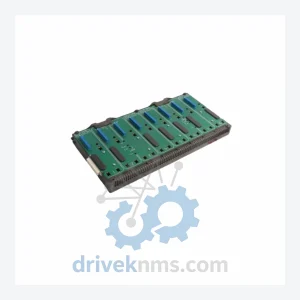
EMERSON KC4011X1-BE1 12P6771X032 Terminal Block – DeltaV Series
Emerson KC4011X1-BE1 12P6771X032 is listed for DeltaV RFQ review. Confirm quantity, condition and destination before quotation.
RFQ-ready industrial model
Model: KC3011X1-BA1 12P6749X012
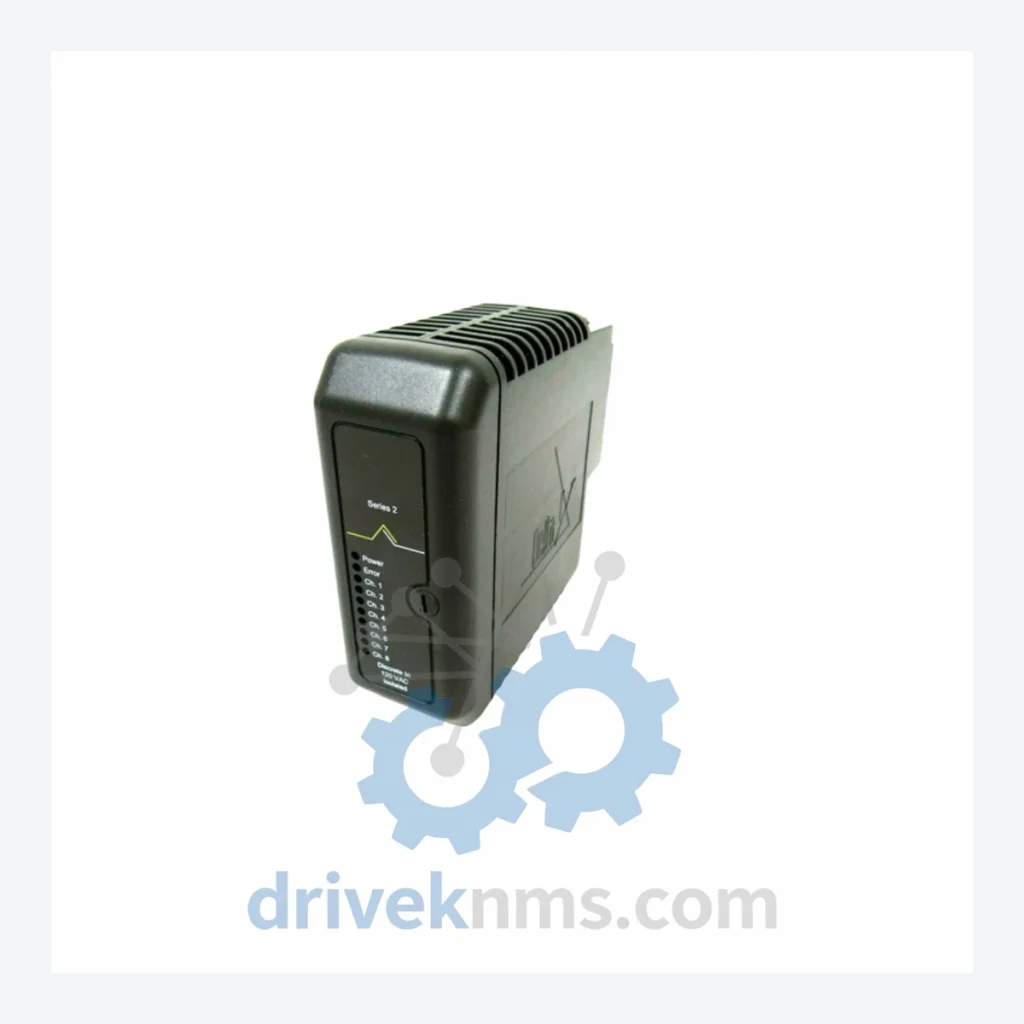
Product Overview
Commercial availability is handled through direct RFQ, model verification and export-oriented follow-up rather than public cart checkout.
Datasheet Preview
Use attached product manuals when available. If the manual is not public yet, request the full file directly through RFQ.
Commercial Path
Product pages on DRIVEKNMS are designed to verify model, brand and series first, then move the buyer into one clean quotation path.
Technical Dossier
RFQ support for obsolete parts: Send the model number, required quantity and destination so DriveKNMS can confirm sourcing options before quotation.
| Attribute | Detail |
|---|---|
| Manufacturer | Emerson (Fisher-Rosemount) |
| Part Number | KC3011X1-BA1 |
| Reference Number | 12P6749X012 |
| Module Type | Analog Input Module |
| Compatible Platform | Emerson DeltaV Distributed Control System (DCS) |
| Country of Origin | United States |
| Product Status | Discontinued / Obsolete – No longer manufactured or supported by OEM |
| Typical Application | Process signal acquisition in DeltaV I/O subsystems |
Note: Electrical parameters (voltage range, channel count, signal type) for this specific revision are not published in currently available documentation. DriveKNMS does not fabricate specifications. Contact us directly for verified datasheet references or bench-test data from our QA process.
The Emerson DeltaV platform has an installed base measured in decades. Facilities running DeltaV S-series or earlier controller generations built their process architectures around a specific I/O card ecosystem. The KC3011X1-BA1 sits within that ecosystem as an analog front-end — the interface between field instruments and the controller logic. When Emerson discontinued this card, it did not simultaneously retire the thousands of DeltaV systems still running it.
Plant managers in refining, chemical processing, power generation, and water treatment face a recurring dilemma: the OEM no longer supports the hardware, the system integrator quotes a six-figure migration, and production cannot stop. The only operationally sound answer — the one that preserves capital, avoids re-validation costs, and keeps the process running — is a verified replacement module from secondary market inventory.
Obsolete hardware sourced from secondary markets carries inherent risk. DriveKNMS applies a five-step inspection protocol to every module before it is offered for sale:
Q: How are RFQ terms confirmed?
A: Quantity, required condition, documentation needs, destination and sourcing route are confirmed during RFQ review before quotation.
The decision to extend a legacy DeltaV installation rather than migrate is a capital allocation decision, not a technical one. The technical path is well-established. The following framework is used by maintenance managers in asset-intensive industries to justify and execute multi-year extension programs:
1. Conduct a critical spare audit. Identify every I/O module type in your DeltaV installation. Cross-reference each against the current Emerson lifecycle status. Any module classified as obsolete or RFQ availability review is a single-point-of-failure risk if no shelf spare exists.
2. Prioritize by consequence of failure. Not every module failure stops production. Rank your critical spares by the process impact of a failure — loops controlling safety-critical parameters or high-throughput process streams rank highest.
5. Document and track. Spare parts held for legacy systems should be tracked in your CMMS with condition records, storage conditions, and inspection dates. Electrolytic capacitors in stored electronics degrade over time even without use. Modules stored beyond five years should be re-inspected before deployment.
This approach has been used to extend DeltaV and comparable DCS installations well beyond their original design horizons in refineries, chemical plants, and power facilities across multiple continents. The economics are straightforward: the cost of a structured spare parts program is a small fraction of the cost of an unplanned migration.
How do I know the module is genuine and not counterfeit?
All modules are inspected against known Emerson hardware markings, PCB revision labels, and component configurations. We do not source from unverified liquidation channels. Provenance documentation is available on request for critical applications.
What if the module I receive does not resolve my fault?
If a module passes our QA process but does not resolve the fault in your system, our technical team will work with you to determine whether the fault is module-related or system-related. We do not close support cases at the point of shipment.
How should I store a spare module?
Store in original anti-static packaging in a climate-controlled environment (15–35°C, relative humidity below 70%, non-condensing). Avoid storage near strong magnetic fields or in environments with airborne contaminants. Inspect annually if stored beyond 24 months.
Continue The Model Path
Move from this exact model into the matching system hub, brand archive, model-family archive or lifecycle sourcing route before sending a final RFQ list.
Related Paths
Emerson KC4011X1-BE1 12P6771X032 is listed for DeltaV RFQ review. Confirm quantity, condition and destination before quotation.
Emerson KC4011X1-BD1 12P6758X022 is listed for DeltaV RFQ review. Confirm quantity, condition and destination before quotation.
Emerson KJ4001X1-CJ1 12P1902X032 is listed for DeltaV RFQ review. Confirm quantity, condition and destination before quotation.