
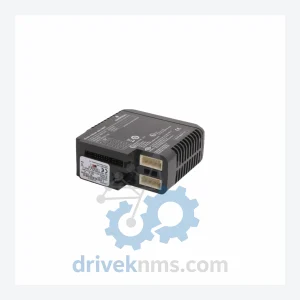
EMERSON KJ3102X1-BE1 12P2703X052 Safe Analog Output Module – DeltaV SIS Series
Emerson KJ3102X1-BE1 12P2703X052 is listed for DeltaV RFQ review. Confirm quantity, condition and destination before quotation.
RFQ-ready industrial model
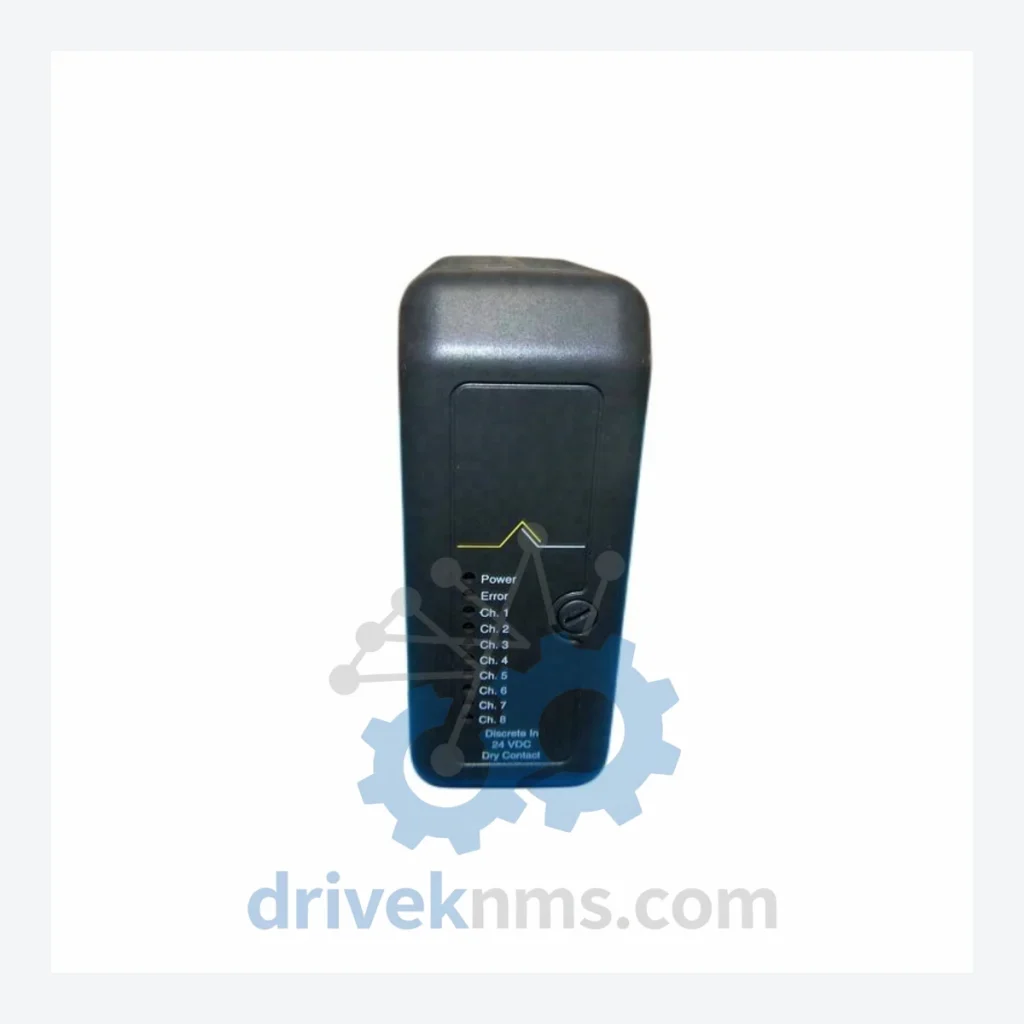
Model: KJ3001X1-BB1 12P0550X132
Product Overview
Commercial availability is handled through direct RFQ, model verification and export-oriented follow-up rather than public cart checkout.
Datasheet Preview
Use attached product manuals when available. If the manual is not public yet, request the full file directly through RFQ.
Commercial Path
Product pages on DRIVEKNMS are designed to verify model, brand and series first, then move the buyer into one clean quotation path.
Technical Dossier
DriveKNMS reviews sourcing options for this model through RFQ handling before quotation.
RFQ support for obsolete parts: Send the model number, required quantity and destination so DriveKNMS can confirm sourcing options before quotation.
| Part Number | KJ3001X1-BB1 |
|---|---|
| Reference Number | 12P0550X132 |
| Manufacturer | Emerson Electric / Fisher-Rosemount |
| Series | DeltaV S-series I/O |
| Module Type | Digital Input (DI) |
| Input Voltage | 24VDC |
| Contact Type | Dry Contact |
| Country of Origin | United States |
| Discontinuation Status | Discontinued – No longer manufactured. Replacement requires system-level re-engineering if spare is unavailable. |
| Compatible System | Emerson DeltaV S-series DCS |
Q: How are RFQ terms confirmed?
A: Quantity, required condition, documentation needs, destination and sourcing route are confirmed during RFQ review before quotation.
Forcing a system migration to resolve a single failed I/O card is an engineering and financial decision that most facilities are not positioned to absorb mid-lifecycle. The rational alternative is a structured spare parts strategy built around verified, tested legacy hardware — sourced from a supplier with documented access to this inventory.
For plant engineering and maintenance leadership facing system retirement pressure, the following framework has been applied successfully across multiple legacy DCS installations:
1. Criticality-Based Inventory Tiering. Classify every I/O card in your DeltaV S-series system by failure consequence. Cards that, if failed, would trigger a process shutdown or safety system response belong in Tier 1. The KJ3001X1-BB1, depending on what field devices it monitors, frequently falls into this category. Tier 1 cards require a minimum of two verified spares on-site at all times.
4. Firmware and Hardware Version Control. Not all KJ3001X1-BB1 units in the secondary market carry identical firmware revisions. Before installation, verify that the firmware version of the replacement card is compatible with your DeltaV controller version. DriveKNMS performs version verification as part of its pre-shipment QA process.
5. Documentation and Traceability. Maintain a hardware register for all legacy I/O cards, including serial numbers, firmware versions, installation dates, and procurement sources. This documentation is required for any future regulatory audit and simplifies troubleshooting when field issues arise.
Sourcing discontinued hardware from the secondary market carries inherent risk. DriveKNMS applies a structured 5-step QA protocol to every legacy module before dispatch review:
Step 1 – Visual and Mechanical Inspection. Full examination of the PCB, connector pins, and housing for physical damage, corrosion, or evidence of prior repair. Units with pin corrosion, burn marks, or compromised housing are rejected at this stage.
Step 2 – Electrolytic Capacitor Assessment. Legacy I/O modules manufactured in the early 2000s are subject to electrolytic capacitor aging, a known failure mode in long-stored or previously installed hardware. Capacitors are inspected for bulging, leakage, and ESR deviation. Units with degraded capacitors are either reconditioned by qualified technicians or removed from inventory.
Step 3 – Firmware Version Verification. The firmware revision is read and documented. Compatibility with the target DeltaV controller version is confirmed prior to shipment. Mismatched firmware is flagged and disclosed to the customer before the order is finalized.
Step 4 – Functional Bench Test. Where test infrastructure permits, the module is powered and its I/O channels are exercised to verify correct signal response across all points.
Step 5 – Packaging and ESD Protection. Modules are packaged in anti-static bags with foam cushioning. Shipment documentation includes the QA checklist, firmware version record, and inspection date.
Drop-in Replacement. The KJ3001X1-BB1 installs directly into the existing S-series I/O carrier without modification to field wiring, marshalling panels, or DeltaV configuration databases. No re-engineering of the control strategy is required.
No Reprogramming Required. DeltaV automatically recognizes the replacement module upon insertion, provided the firmware version is compatible. There is no requirement to rebuild I/O assignments or reconfigure channel parameters in DeltaV Explorer.
Avoids System Migration Cost. A validated spare card eliminates the primary justification for forcing a premature migration to DeltaV CHARM or a competing platform. The capital expenditure avoided — engineering, hardware, installation, commissioning, and process re-validation — routinely exceeds $500,000 for a single controller cabinet.
Supports Phased Modernization. Facilities planning a long-term migration to newer DeltaV architecture can use verified spare hardware to maintain production continuity during the transition, avoiding the operational risk of a forced cutover.
Q: Can you support multi-unit or repeat RFQ requests?
A: Yes. Send the model list, target quantity and destination so DRIVEKNMS can review sourcing options and quote the requirement as a project RFQ.
Q: Can this module be used in a DeltaV redundant I/O configuration?
A: The KJ3001X1-BB1 is a standard (non-redundant) S-series DI module. Its use in redundant configurations depends on the specific I/O carrier and controller setup in your installation. Confirm your system architecture before ordering if redundancy is a requirement.
Continue The Model Path
Move from this exact model into the matching system hub, brand archive, model-family archive or lifecycle sourcing route before sending a final RFQ list.
Related Paths
Emerson KJ3102X1-BE1 12P2703X052 is listed for DeltaV RFQ review. Confirm quantity, condition and destination before quotation.
Emerson KJ3241X1-BA1 12P2506X072 is listed for DeltaV RFQ review. Confirm quantity, condition and destination before quotation.
Emerson KJ3241X1-EA1 12P2565X052 is listed for DeltaV RFQ review. Confirm quantity, condition and destination before quotation.