
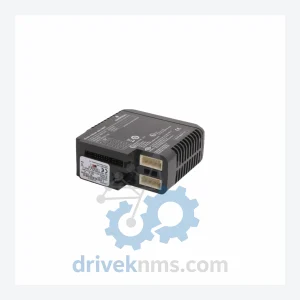
EMERSON KJ3102X1-BE1 12P2703X052 Safe Analog Output Module – DeltaV SIS Series
Emerson KJ3102X1-BE1 12P2703X052 is listed for DeltaV RFQ review. Confirm quantity, condition and destination before quotation.
RFQ-ready industrial model
Model: KJ3002X1-BA1 12P0680X132
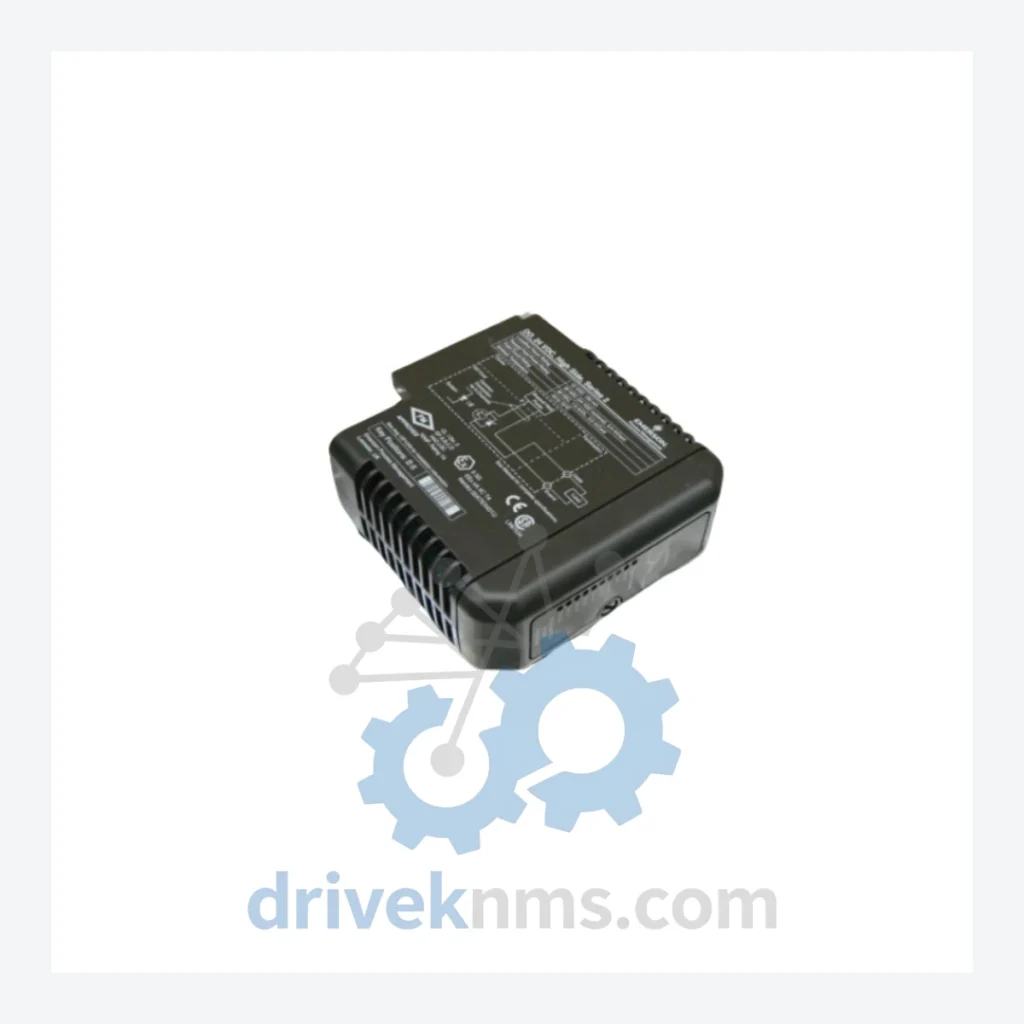
Product Overview
Commercial availability is handled through direct RFQ, model verification and export-oriented follow-up rather than public cart checkout.
Datasheet Preview
Use attached product manuals when available. If the manual is not public yet, request the full file directly through RFQ.
Commercial Path
Product pages on DRIVEKNMS are designed to verify model, brand and series first, then move the buyer into one clean quotation path.
Technical Dossier
RFQ support for obsolete parts: Send the model number, required quantity and destination so DriveKNMS can confirm sourcing options before quotation.
| Parameter | Detail |
|---|---|
| Manufacturer | Emerson Electric Co. |
| Part Number | KJ3002X1-BA1 |
| Reference Number | 12P0680X132 |
| Module Type | Analog Input (AI) |
| Platform | Emerson DeltaV Distributed Control System (DCS) |
| Series | DeltaV S-Series / Traditional I/O |
| Discontinuation Status | Discontinued / Obsolete – No longer manufactured or sold by Emerson |
| Country of Origin | United States |
| Compatible Systems | Emerson DeltaV DCS (Traditional I/O subsystem) |
The Emerson DeltaV platform has been the backbone of process control in oil & gas, pharmaceuticals, pulp & paper, and water treatment for over two decades. The KJ3002X1-BA1 sits within the Traditional I/O architecture — a layer of the system that Emerson has progressively phased out in favor of its CHARM (Characterization Module) I/O technology. This transition creates a structural supply problem: facilities running Traditional I/O DeltaV systems can no longer source replacement cards through standard distribution channels.
Facilities facing pressure to retire aging DeltaV Traditional I/O systems have a viable alternative to full replacement. A structured spare-parts strategy, combined with disciplined preventive maintenance, can sustain reliable operation for an additional 5 to 10 years at a fraction of the capital cost of migration.
Step 1 – Conduct a Critical Spares Audit. Map every Traditional I/O card type installed across all DeltaV cabinets. Identify which card types have zero on-site spares and which are no longer available through Emerson's standard channels. The KJ3002X1-BA1 is a high-priority card type in this audit for any facility running analog field instruments on Traditional I/O.
Step 2 – Establish a Minimum Spare Holding. For high-density card types — those installed in more than five locations — maintain a minimum of two verified spare units. For single-installation card types, one spare is the floor. This holding policy costs less than 0.1% of the replacement project budget per year.
Step 3 – Schedule Preventive Inspection Cycles. Traditional I/O cards installed in high-temperature or high-humidity environments are subject to electrolytic capacitor degradation over time. A biennial inspection cycle — checking for capacitor bulging, pin corrosion, and firmware version alignment — catches failures before they become unplanned events.
Step 5 – Document and Preserve Configuration Data. Ensure that DeltaV controller configuration backups are current and stored off-system. A card swap is only a drop-in replacement if the configuration data is intact. Without it, a hardware replacement becomes a re-engineering event.
This five-step framework has been applied successfully in facilities across the refining, chemical, and power sectors to defer DCS migration capital expenditure by a decade or more, while maintaining process availability above 99.5%.
Sourcing a discontinued I/O card from the secondary market carries inherent risk. DriveKNMS applies a five-stage quality verification process to every KJ3002X1-BA1 unit before it is offered for sale.
Stage 1 – Visual and Physical Inspection. Each unit is examined under magnification for board-level damage, connector pin corrosion, burn marks, and mechanical stress fractures. Units with any visible damage to the PCB or connector interface are rejected at this stage.
Stage 2 – Electrolytic Capacitor Assessment. Capacitor aging is the primary failure mode in legacy I/O cards stored or operated over extended periods. Each unit is inspected for capacitor bulging, electrolyte leakage, and ESR (Equivalent Series Resistance) deviation. Units with degraded capacitors are either recapped by qualified technicians or removed from inventory.
Stage 3 – Firmware Version Verification. The firmware revision on each unit is recorded and cross-referenced against known compatible versions for the DeltaV Traditional I/O subsystem. Mismatched or corrupted firmware is flagged and the unit is not offered as a drop-in replacement without disclosure.
Stage 4 – Connector and Pin Integrity Check. The backplane connector and field wiring terminals are inspected for oxidation, bent pins, and contact resistance. Connectors that do not meet contact resistance thresholds are cleaned or the unit is downgraded.
Stage 5 – Functional Verification. Where test equipment is available for the specific card type, units are powered and tested for basic I/O response. Units that pass all five stages are classified as Tested Serviceable. Units that pass stages 1–4 but cannot be functionally tested are classified as Inspected Surplus and disclosed as such.
Q: How do I know the unit is genuine and not counterfeit?
A: All units sourced by DriveKNMS are inspected for label authenticity, board markings, and component consistency against known-good reference units. We do not source from unverified brokers. Provenance documentation is provided where available.
Q: Should I buy multiple units as long-term spares?
A: For any facility with more than one KJ3002X1-BA1 installed, purchasing two to three spare units is a defensible maintenance decision. Secondary market availability of this part number will decrease over time as installed base units age out. current sourcing status does not predict future availability.
Continue The Model Path
Move from this exact model into the matching system hub, brand archive, model-family archive or lifecycle sourcing route before sending a final RFQ list.
Related Paths
Emerson KJ3102X1-BE1 12P2703X052 is listed for DeltaV RFQ review. Confirm quantity, condition and destination before quotation.
Emerson KJ3241X1-BA1 12P2506X072 is listed for DeltaV RFQ review. Confirm quantity, condition and destination before quotation.
Emerson KJ3241X1-BA1 12P2506X102 is listed for DeltaV RFQ review. Confirm quantity, condition and destination before quotation.