
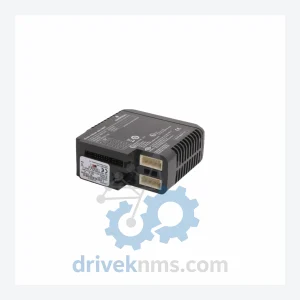
EMERSON KJ3102X1-BE1 12P2703X052 Safe Analog Output Module – DeltaV SIS Series
Emerson KJ3102X1-BE1 12P2703X052 is listed for DeltaV RFQ review. Confirm quantity, condition and destination before quotation.
RFQ-ready industrial model
Model: KJ3002X1-BG2 12P1731X062
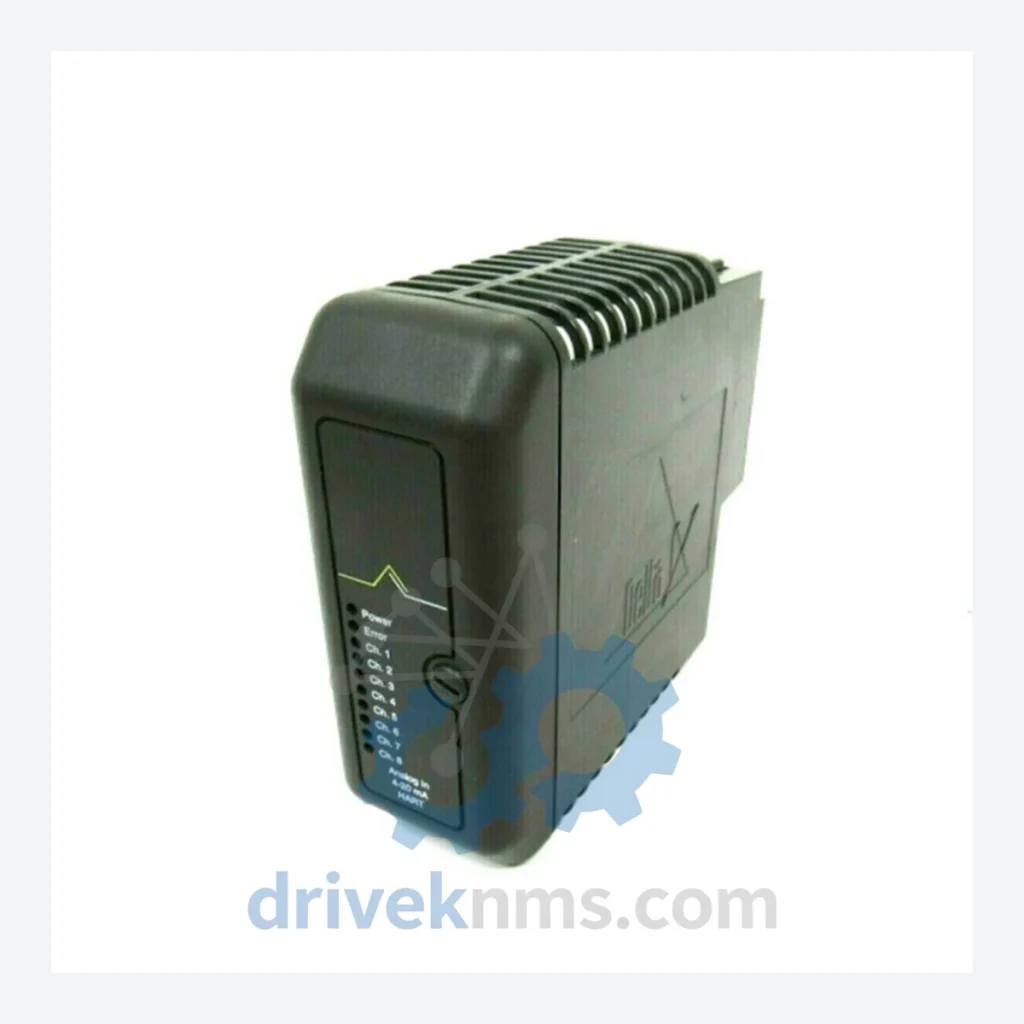
Product Overview
Commercial availability is handled through direct RFQ, model verification and export-oriented follow-up rather than public cart checkout.
Datasheet Preview
Use attached product manuals when available. If the manual is not public yet, request the full file directly through RFQ.
Commercial Path
Product pages on DRIVEKNMS are designed to verify model, brand and series first, then move the buyer into one clean quotation path.
Technical Dossier
RFQ support for obsolete parts: Send the model number, required quantity and destination so DriveKNMS can confirm sourcing options before quotation.
| Parameter | Detail |
|---|---|
| Manufacturer | Emerson Electric / Fisher-Rosemount |
| Part Number | KJ3002X1-BG2 |
| Alternate Reference | 12P1731X062 |
| Module Type | Thermocouple Input Module |
| Platform | Emerson DeltaV Series DCS |
| Discontinuation Status | Discontinued / End-of-Life (EOL) – no longer manufactured |
| Compatible Systems | Emerson DeltaV S-Series, M-Series controller environments |
| Form Factor | DeltaV I/O subsystem card |
| Country of Origin | United States |
Note: Electrical parameters such as channel count, input range, and CJC specifications are not published here to avoid inaccuracy. Please contact us for verified datasheet documentation.
The Emerson DeltaV platform has been deployed across refineries, chemical plants, pharmaceutical batch facilities, and power generation sites since the mid-1990s. Many of these installations are still in productive operation — not because the hardware is new, but because the process knowledge embedded in the control strategy, the loop tuning, and the operator interface represents decades of engineering investment that cannot be replicated by swapping in a modern system.
The KJ3002X1-BG2 thermocouple input module occupies a specific slot in that architecture. Thermocouple signals — typically from furnace zones, reactor vessels, or heat exchanger networks — feed directly into this card. When the card fails and no replacement is available through standard distribution channels, the affected control loops go to manual or fail-safe. In a continuous process environment, that is not a sustainable condition.
Facilities that have maintained a strategic inventory of critical I/O modules — including discontinued cards like the KJ3002X1-BG2 — consistently report the ability to extend DeltaV system operational life by 5 to 10 years beyond the manufacturer's stated support window. The arithmetic is straightforward: a spare module purchased today at a fraction of a percent of the system's replacement cost eliminates the single-point-of-failure risk that forces premature capital expenditure decisions. Plant managers facing board-level pressure to defer major automation capital projects have used exactly this approach to maintain compliance, production continuity, and safety system integrity without triggering a full DCS migration cycle.
Discontinued hardware sourced outside the original manufacturer's supply chain requires a disciplined quality process. DriveKNMS applies a 5-step verification protocol to every obsolete module before it is offered for sale:
Should I buy more than one unit?
For any facility running more than two DeltaV controllers with thermocouple I/O, holding a minimum of two KJ3002X1-BG2 modules as cold spares is a defensible maintenance strategy. The cost of a second spare is negligible relative to the cost of an unplanned production stoppage while sourcing a replacement under emergency conditions.
Can this module be used with current DeltaV software versions?
Compatibility depends on the specific DeltaV system version in your facility. Please provide your controller hardware revision and DeltaV software version when inquiring, and we will confirm compatibility before dispatch review.
Continue The Model Path
Move from this exact model into the matching system hub, brand archive, model-family archive or lifecycle sourcing route before sending a final RFQ list.
Related Paths
Emerson KJ3102X1-BE1 12P2703X052 is listed for DeltaV RFQ review. Confirm quantity, condition and destination before quotation.
Emerson KJ3241X1-BA1 12P2506X072 is listed for DeltaV RFQ review. Confirm quantity, condition and destination before quotation.
Emerson KJ3241X1-BA1 12P2506X102 is listed for DeltaV RFQ review. Confirm quantity, condition and destination before quotation.