
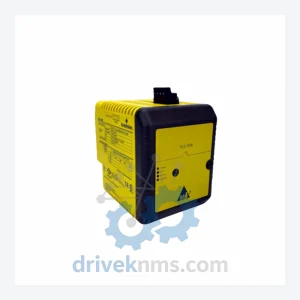
Emerson DeltaV KJ2201X1-BA1 12P3162X212 SLS1508 Logic I/O Module
Emerson KJ2201X1-BA1 12P3162X212 SLS1508 is listed for DeltaV RFQ review. Confirm quantity, condition and destination before quotation.
RFQ-ready industrial model
Model: KJ4001X1-CB1 12P0625X072
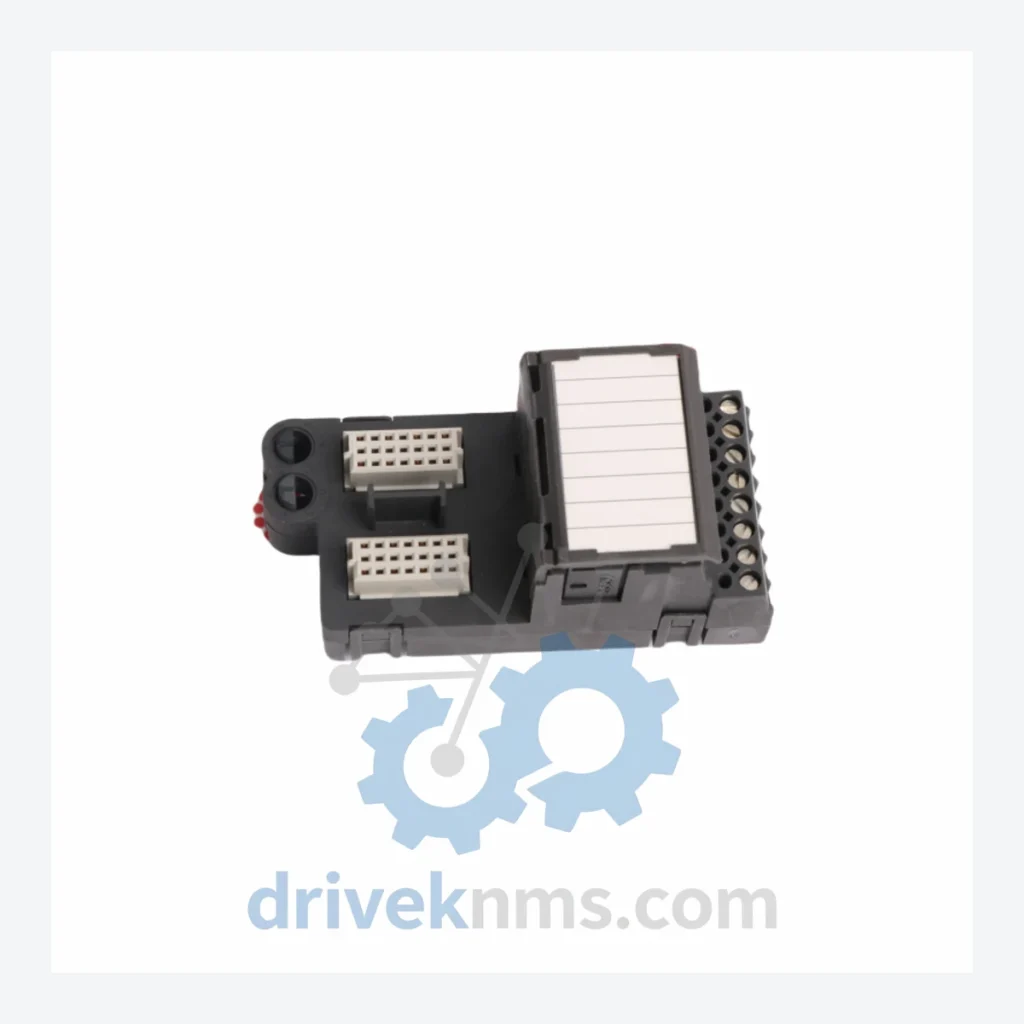
Product Overview
Commercial availability is handled through direct RFQ, model verification and export-oriented follow-up rather than public cart checkout.
Datasheet Preview
Use attached product manuals when available. If the manual is not public yet, request the full file directly through RFQ.
Commercial Path
Product pages on DRIVEKNMS are designed to verify model, brand and series first, then move the buyer into one clean quotation path.
Technical Dossier
RFQ support for obsolete parts: Send the model number, required quantity and destination so DriveKNMS can confirm sourcing options before quotation.
| Part Number | KJ4001X1-CB1 |
|---|---|
| Reference Number | 12P0625X072 |
| Manufacturer | Emerson (formerly Fisher-Rosemount) |
| Product Family | DeltaV Series I/O |
| Component Type | I/O Terminal Block |
| Country of Origin | United States |
| Production Status | Discontinued / Obsolete |
| Compatible System | Emerson DeltaV DCS (Series 1 / Legacy I/O) |
| Condition Available | New surplus / Professionally refurbished |
Note: Electrical parameters such as voltage ratings and channel counts are not published here to prevent specification errors. Please contact us directly for verified datasheet confirmation before ordering.
The Emerson DeltaV platform has been deployed across refineries, chemical plants, pharmaceutical facilities, and power generation sites worldwide since the mid-1990s. Many of these installations remain in active production today, running on first-generation DeltaV I/O hardware that has long since been removed from Emerson's active product catalog.
The KJ4001X1-CB1 terminal block serves as the physical interface between field instrument wiring and the DeltaV I/O subsystem. Without a functioning terminal block, the associated I/O card loses its field connections entirely — rendering that portion of the control system blind. In a process where safety interlocks, flow control, or pressure regulation depend on those signals, the operational risk is immediate.
Emerson's current migration path pushes legacy DeltaV users toward the Electronic Marshalling (CHARM) architecture or full DeltaV S-series upgrades. For facilities with 10–25 years of remaining asset life on their process equipment, committing to a full DCS migration solely because of a terminal block failure is an economically indefensible decision. Sourcing a verified replacement KJ4001X1-CB1 from DriveKNMS extends the operational life of the existing system without touching the control strategy, field wiring, or operator interface — preserving years of engineering investment at a fraction of the cost of migration.
Discontinued hardware sourced from secondary markets carries inherent risk. DriveKNMS applies a structured 5-step inspection protocol to every legacy I/O component before it is offered for sale:
Parts that pass all five stages are classified as Qualified Surplus. Parts requiring remediation are classified as Professionally Refurbished and documented accordingly. Condition is disclosed in full at the time of quotation.
For operations managers and maintenance engineers responsible for aging DeltaV installations, the decision to extend system life rather than migrate is often the correct one — provided it is executed with discipline. The following approach has been applied successfully across multiple legacy DCS environments:
1. Critical Spare Identification: Map every passive I/O interface component — terminal blocks, I/O carriers, and marshalling hardware — against current Emerson availability status. Parts classified as End of Life or No Longer Available should be treated as single points of failure requiring immediate spare coverage.
3. Condition-Based Replacement Scheduling: Rather than waiting for failure, schedule proactive inspection of legacy terminal blocks during planned turnarounds. Components showing early signs of connector oxidation or mechanical wear should be replaced preventively, with the removed unit retained as a secondary spare after refurbishment.
4. Vendor Qualification for Obsolete Parts: Not all secondary market suppliers apply consistent quality controls. Require documented inspection records, revision verification, and clear condition classification before accepting any obsolete DeltaV hardware into your spare parts inventory.
5. System Life Extension Planning: A structured obsolete-parts procurement strategy, combined with a documented system health assessment, can realistically extend the operational life of a legacy DeltaV installation by 5 to 10 years beyond the point at which Emerson support becomes unavailable — deferring migration capital expenditure to a period aligned with broader plant investment cycles.
Q: How do I know the part is genuine and not counterfeit?
A: All parts are sourced from documented industrial surplus channels. Physical markings, revision codes, and construction details are verified against known-good references. We do not source from unverified brokers or auction platforms.
Q: Do you provide documentation with the part?
A: A condition report and inspection summary are provided with every shipment. Datasheet references are provided upon request.
Continue The Model Path
Move from this exact model into the matching system hub, brand archive, model-family archive or lifecycle sourcing route before sending a final RFQ list.
Related Paths
Emerson KJ2201X1-BA1 12P3162X212 SLS1508 is listed for DeltaV RFQ review. Confirm quantity, condition and destination before quotation.
Emerson KJ2201X1-BA1 12P3162X182 SLS1508 is listed for DeltaV RFQ review. Confirm quantity, condition and destination before quotation.
Emerson KJ2201X1-BA1 12P3162X252 SLS1508 is listed for DeltaV RFQ review. Confirm quantity, condition and destination before quotation.