
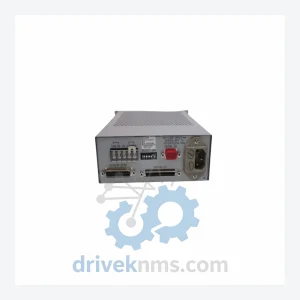
Anritsu KL Series Modules KL2300A
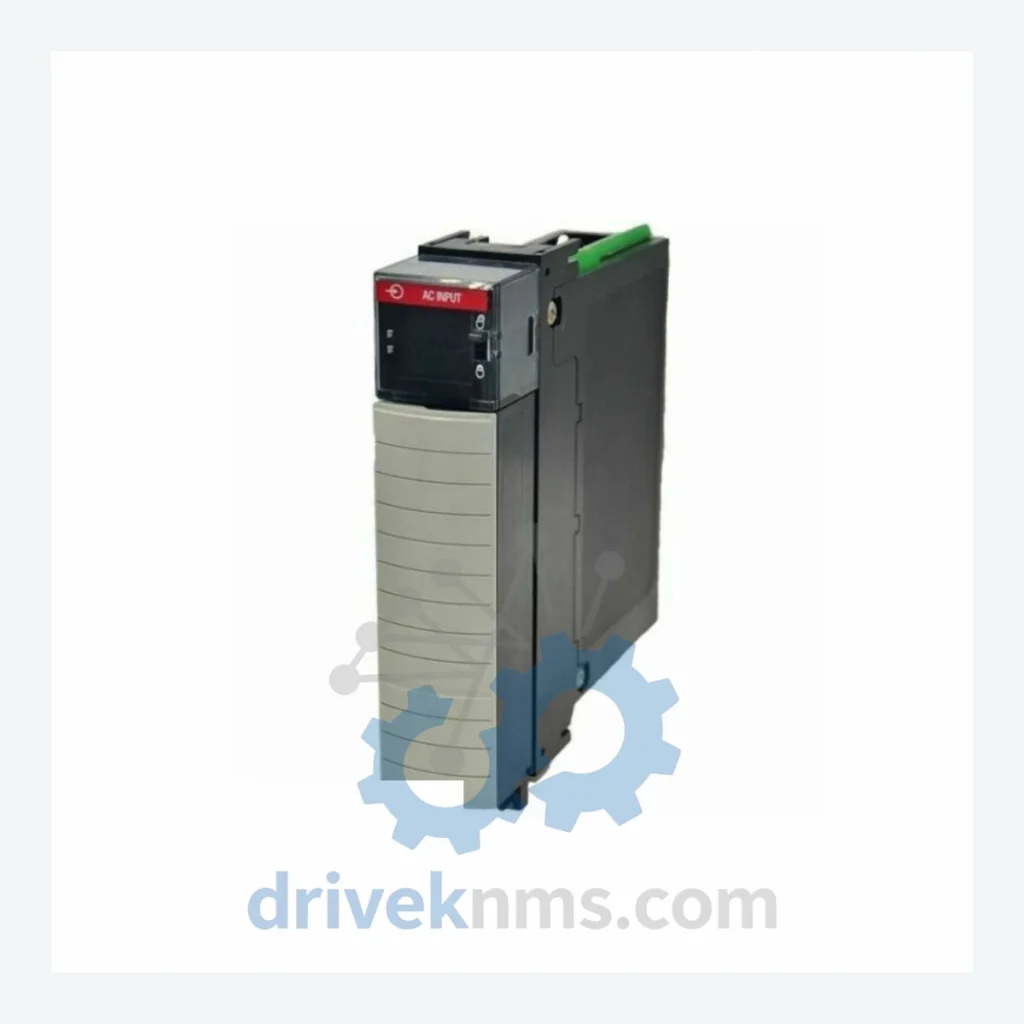
Anritsu KL2300A is listed for KL Series RFQ review. Confirm quantity, condition and destination before quotation.
RFQ-ready industrial model
Model: KL3031X1-BA1 12P4630X112
Product Overview
Commercial availability is handled through direct RFQ, model verification and export-oriented follow-up rather than public cart checkout.
Datasheet Preview
Use attached product manuals when available. If the manual is not public yet, request the full file directly through RFQ.
Commercial Path
Product pages on DRIVEKNMS are designed to verify model, brand and series first, then move the buyer into one clean quotation path.
Technical Dossier
The Emerson KL Series represents a family of compact, bus-terminal I/O modules originally developed under the Beckhoff KL-bus architecture and widely adopted within Emerson DeltaV and third-party distributed control system (DCS) environments. These modules are deployed across continuous-process industries including petroleum refining, chemical manufacturing, pulp and paper, and power generation. Their compact DIN-rail form factor, deterministic bus communication, and broad signal-type coverage made them a standard selection for I/O expansion in facilities built between the late 1990s and mid-2010s. Many of these installations remain operational today, and the KL Series has entered a mature-to-declining lifecycle phase, with several models no longer in active production. Facilities running KL-based I/O infrastructure face a defined maintenance horizon: sourcing replacement modules from the secondary market is now the primary strategy for sustaining uptime without committing to full system re-architecture.
The KL bus terminal system was introduced by Beckhoff Automation in the mid-1990s as a modular, field-level I/O solution using a proprietary K-bus backplane protocol. Modules communicate via a serial, synchronous K-bus that passes data and power through direct terminal-to-terminal contact, eliminating the need for individual wiring between modules. Emerson integrated KL-compatible I/O into DeltaV system architectures as remote I/O nodes, particularly in applications requiring dense analog signal acquisition in confined panel spaces.
Early KL modules (pre-2000) used through-hole PCB construction and were rated for standard industrial temperature ranges. Mid-generation modules introduced surface-mount components, improved EMC shielding, and extended temperature variants (denoted by the X suffix in part numbers, e.g., KL3031X1). Later revisions added firmware-configurable parameters accessible via the KS2000 configuration software or TwinCAT engineering environment. As of 2026, Beckhoff has transitioned its primary I/O platform to the EL Series (EtherCAT Terminals), and KL Series production has been progressively wound down. Compatibility between KL and EL modules requires a KL/EL bridge coupler (e.g., EL6695 or KL9100) and is not transparent at the application layer — a direct swap is not possible without engineering intervention.
The following models represent confirmed KL Series part numbers across analog input, analog output, digital I/O, communication, and power supply categories. Each entry reflects a distinct hardware function within the KL bus terminal ecosystem.
Analog Input Modules (AI)
Analog Output Modules (AO)
Digital Input Modules (DI)
Digital Output Modules (DO)
Communication & System Modules
KL Series modules present specific failure modes that require targeted inspection protocols. DriveKNMS applies the following procedures to all KL units prior to dispatch:
Continue The Model Path
Move from this exact model into the matching system hub, brand archive, model-family archive or lifecycle sourcing route before sending a final RFQ list.
Related Paths
Anritsu KL2300A is listed for KL Series RFQ review. Confirm quantity, condition and destination before quotation.
Emerson KL2101X1-BA1 12P4987X162 is listed for CHARM RFQ review. Confirm quantity, condition and destination before quotation.
Emerson KJ3222X1-BK1 12P4705X062 is listed for DeltaV RFQ review. Confirm quantity, condition and destination before quotation.