
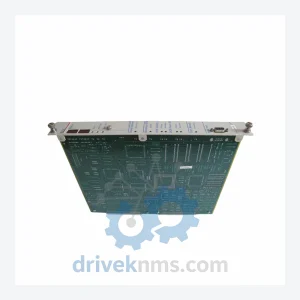
WESTINGHOUSE 4256A88G01 4256A88G04 PLC Controller – Ovation Series
Westinghouse 4256A88G01 4256A88G04 is listed for OVATION RFQ review. Confirm quantity, condition and destination before quotation.
RFQ-ready industrial model
Model: 5X00226G04
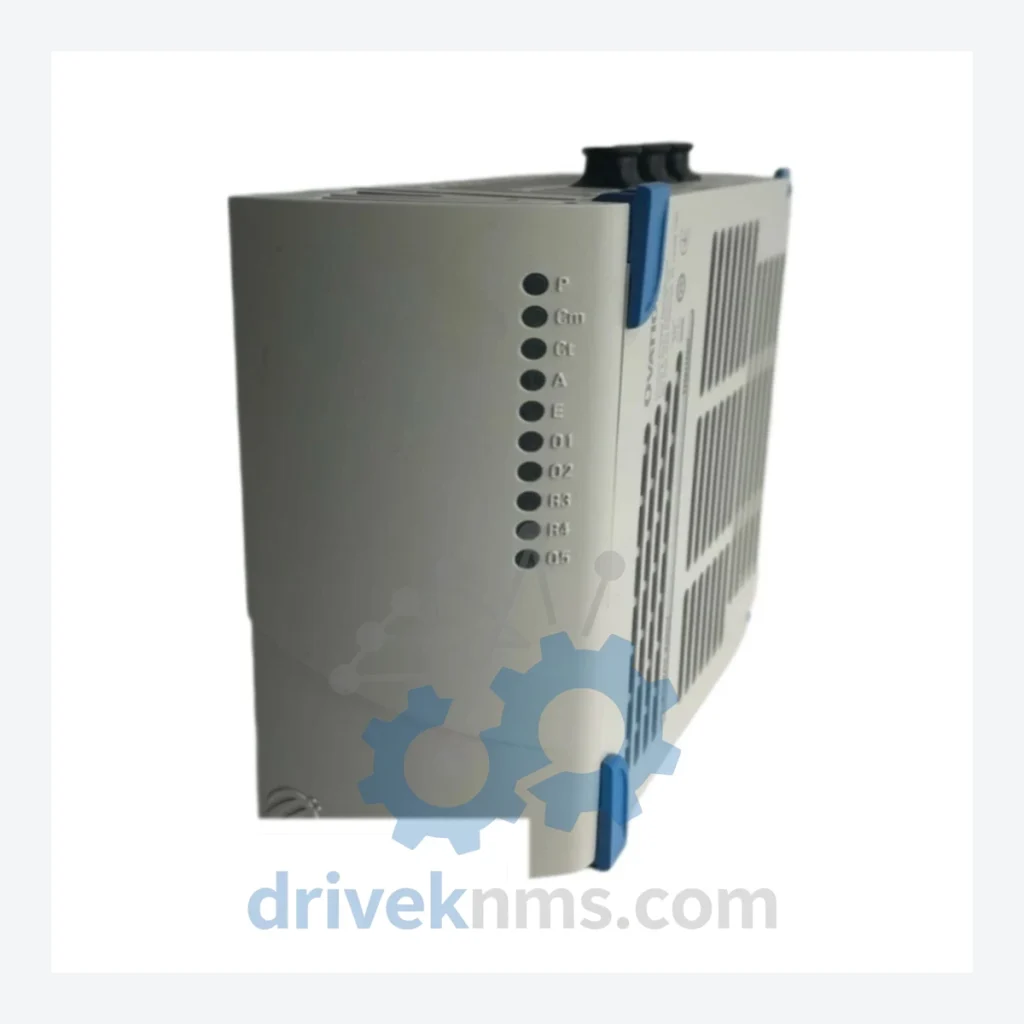
Product Overview
Commercial availability is handled through direct RFQ, model verification and export-oriented follow-up rather than public cart checkout.
Datasheet Preview
Use attached product manuals when available. If the manual is not public yet, request the full file directly through RFQ.
Commercial Path
Product pages on DRIVEKNMS are designed to verify model, brand and series first, then move the buyer into one clean quotation path.
Technical Dossier
The Ovation platform has undergone four distinct architectural generations since its commercial introduction in the mid-1990s. The first generation, released under the Westinghouse WDPF (Westinghouse Distributed Processing Family) designation, used proprietary backplane buses and dedicated coaxial network segments. Following Emerson's acquisition, the platform was rebranded and the second generation introduced Ethernet-based plant networks (Ovation Network) operating at 100 Mbps, replacing the earlier WDPF Data Highway. Controller hardware in this era centered on the OCR161 and OCR400 processor modules, which used Intel x86-class embedded processors and ran a real-time operating system with scan rates configurable from 100 ms to 1 second.
The third generation introduced the OCR1100 controller, a significant architectural step that consolidated I/O scanning, control execution, and network communication into a single module with dual-redundant Ethernet ports and support for HART pass-through on analog I/O channels. The OCR1100 also introduced compatibility with IEC 61131-3 function block programming, enabling migration of legacy WDPF control logic without full re-engineering. The fourth and current generation, represented by the Ovation 3.5+ software platform and associated hardware, supports virtualized operator workstations, OPC UA northbound connectivity, and cybersecurity hardening aligned with NERC CIP and IEC 62443 standards. Legacy OCR161 and early OCR400 hardware is now classified as end-of-life by Emerson, creating a critical dependency on third-party spare parts suppliers for plants that cannot yet justify a full platform migration.
Compatibility between generations is constrained by backplane slot assignments and firmware revision levels. Mixing OCR400 and OCR1100 controllers within the same drop is not supported. I/O modules from the 5X00xxx and 1C31xxx families are generally cross-compatible within the same drop chassis, provided firmware versions are aligned. Plants operating legacy WDPF hardware face the most acute sourcing challenges, as these modules have been out of production for over 15 years.
The following SKUs represent the core module families within the Ovation DCS platform. Each entry reflects a verified, commercially available part number within the Ovation ecosystem.
Controllers & Processors
Analog Input (AI) Modules
Analog Output (AO) Modules
Digital Input (DI) Modules
Digital Output (DO) Modules
Communication & Network Modules
Power Supply Modules
Q: How are RFQ terms confirmed?
A: Quantity, required condition, documentation needs, destination and sourcing route are confirmed during RFQ review before quotation.
Q: How is condition confirmed before quotation?
A: Available condition, photos, test records and documentation are checked according to the requested model and sourcing channel before a formal RFQ response.
For plants transitioning from legacy WDPF hardware to Ovation, DriveKNMS can supply bridge inventory to maintain operational continuity during phased migration projects. Requests for bill-of-materials (BOM) matching against existing plant spare parts lists are handled within 24 hours.
Ovation modules present specific quality control challenges due to the complexity of their backplane communication protocols and the sensitivity of their analog signal conditioning circuits. DriveKNMS applies a structured test protocol to all Ovation modules prior to dispatch.
Controller modules (OCR400, OCR1100, OCR161) are bench-tested using a dedicated Ovation drop chassis with known-good I/O modules. Boot sequence, firmware version verification, Ethernet port link negotiation, and control loop execution at rated scan rates are all validated. Modules that fail to achieve stable operation within rated scan tolerances are rejected from inventory.
Analog I/O modules are tested against calibrated reference signals. AI modules are verified for channel-to-channel isolation, input impedance, and HART communication integrity where applicable. AO modules are loaded with precision resistive loads and output accuracy is measured across the full 4–20 mA range at multiple setpoints. Modules exhibiting drift exceeding ±0.1% of full scale are recalibrated or rejected.
Digital I/O modules are cycled through full on/off sequences on all channels simultaneously to detect latent relay or solid-state switch failures. Optocoupler isolation is verified using a high-potential (hipot) test at rated isolation voltage. Communication modules are tested for protocol compliance using dedicated PROFIBUS and Modbus test masters.
All tested modules are documented with a test record including date, technician ID, test equipment calibration reference, and pass/fail results by channel. This documentation is available to customers upon request and supports plant maintenance records for regulated facilities.
Continue The Model Path
Move from this exact model into the matching system hub, brand archive, model-family archive or lifecycle sourcing route before sending a final RFQ list.
Related Paths
Westinghouse 4256A88G01 4256A88G04 is listed for OVATION RFQ review. Confirm quantity, condition and destination before quotation.
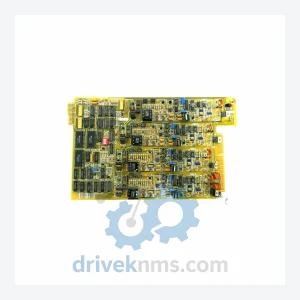
Westinghouse 2840A21G01 is listed for OVATION RFQ review. Confirm quantity, condition and destination before quotation.
Emerson KC3010X1-BA1 12P6762X042 is listed for OVATION RFQ review. Confirm quantity, condition and destination before quotation.