
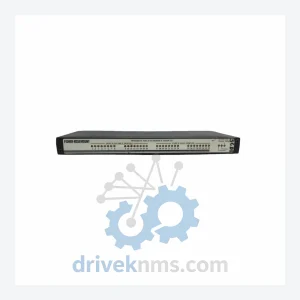
Fisher 01984-4080-0001 Discrete Field Interface Module – DeltaV Series
Fisher 01984-4080-0001 is listed for DeltaV RFQ review. Confirm quantity, condition and destination before quotation.
RFQ-ready industrial model
Model: UNI1401
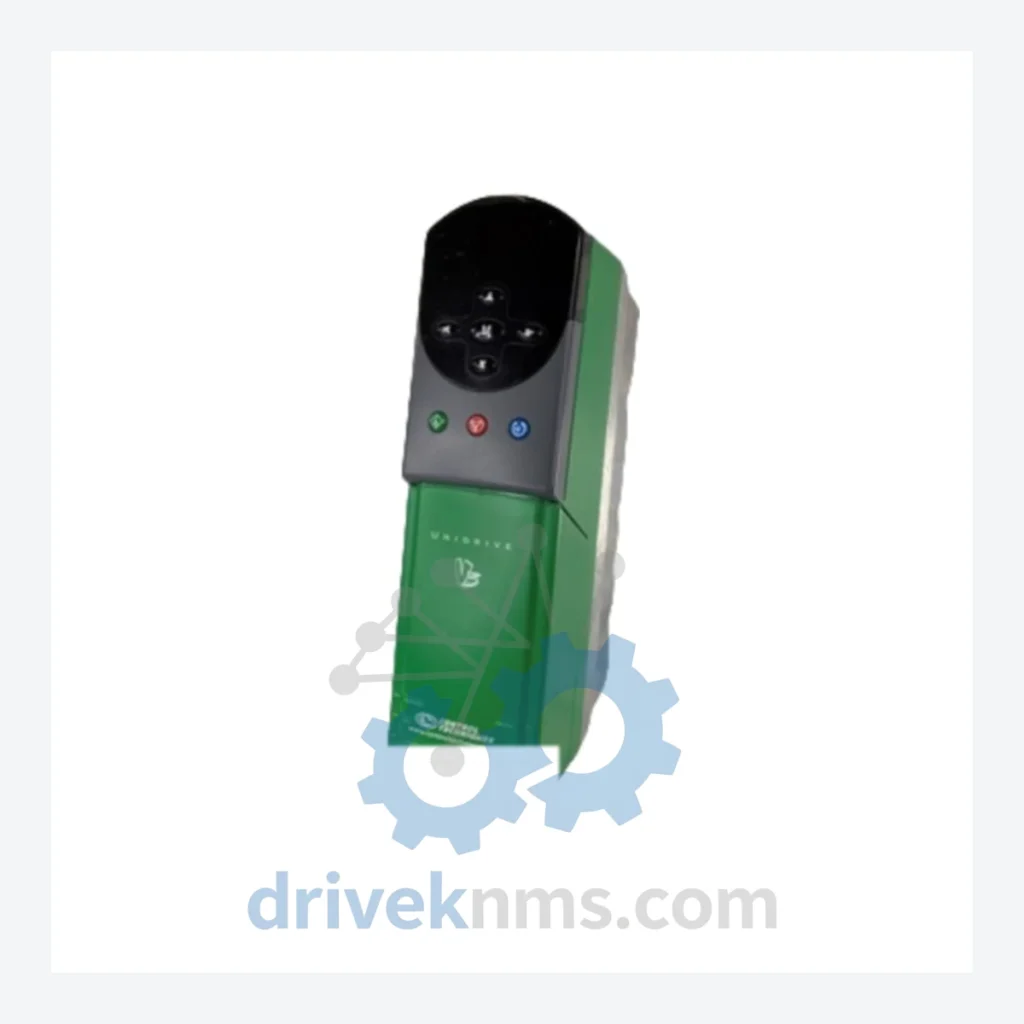
Product Overview
Commercial availability is handled through direct RFQ, model verification and export-oriented follow-up rather than public cart checkout.
Datasheet Preview
Use attached product manuals when available. If the manual is not public yet, request the full file directly through RFQ.
Commercial Path
Product pages on DRIVEKNMS are designed to verify model, brand and series first, then move the buyer into one clean quotation path.
Technical Dossier
RFQ support for obsolete parts: Send the model number, required quantity and destination so DriveKNMS can confirm sourcing options before quotation.
| Part Number | UNI1401 |
| Manufacturer | Emerson Electric Co. |
| Product Category | Output Module |
| Compatible Platform | Emerson DeltaV Distributed Control System (DCS) |
| Country of Origin | United States |
| Lifecycle Status | Discontinued / Obsolete – No longer manufactured or sold by OEM |
| Availability | Limited – Sourced from verified secondary market channels |
Note: Electrical parameters (voltage range, current output, channel count) are not published here to prevent specification errors. Please contact our technical team for confirmed datasheet documentation prior to procurement.
The Emerson DeltaV platform has been the backbone of process control in oil & gas, pharmaceutical, and chemical manufacturing for decades. The UNI1401 output module occupies a defined slot in that architecture — it handles the physical signal conversion between the controller and field devices such as control valves, positioners, and actuators. There is no software patch that replaces a failed output card. There is no firmware update that restores lost analog output channels.
When OEM support for a module class ends, plant operators face a binary choice: source the part from the secondary market, or commit to a capital project that replaces the entire I/O subsystem. For facilities running 24/7 continuous processes, the latter option carries shutdown risk that no budget cycle can easily absorb. The UNI1401 represents exactly this category of hardware — a component whose discontinuation does not reduce its operational necessity by a single percentage point.
Obsolete hardware sourced from the secondary market carries inherent risk if it is not subjected to rigorous inspection. DriveKNMS applies a 5-step quality assurance protocol to every UNI1401 unit before it is offered for sale:
Units that pass all five stages are classified as Tested Surplus. Units that do not pass are not sold.
Continue The Model Path
Move from this exact model into the matching system hub, brand archive, model-family archive or lifecycle sourcing route before sending a final RFQ list.
Related Paths
Fisher 01984-4080-0001 is listed for DeltaV RFQ review. Confirm quantity, condition and destination before quotation.
Emerson UNI1403 is listed for DeltaV RFQ review. Confirm quantity, condition and destination before quotation.
Emerson UNI1404 is listed for DeltaV RFQ review. Confirm quantity, condition and destination before quotation.