
Fisher 01984-4080-0001 Discrete Field Interface Module – DeltaV Series
Fisher 01984-4080-0001 is listed for DeltaV RFQ review. Confirm quantity, condition and destination before quotation.
RFQ-ready industrial model
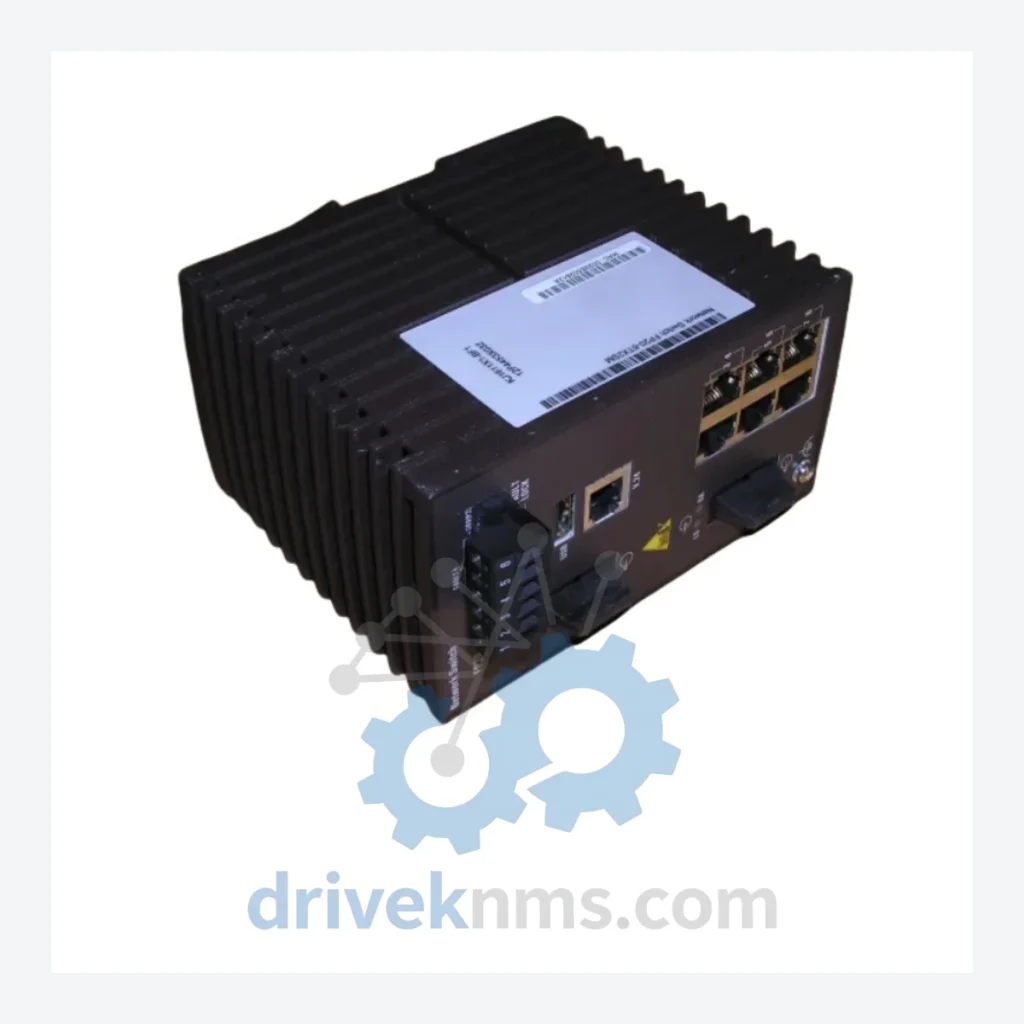
Model: VE6041F06C1 FP20-6TX2SM
Product Overview
Commercial availability is handled through direct RFQ, model verification and export-oriented follow-up rather than public cart checkout.
Datasheet Preview
Use attached product manuals when available. If the manual is not public yet, request the full file directly through RFQ.
Commercial Path
Product pages on DRIVEKNMS are designed to verify model, brand and series first, then move the buyer into one clean quotation path.
Technical Dossier
RFQ support for obsolete parts: Send the model number, required quantity and destination so DriveKNMS can confirm sourcing options before quotation.
| Parameter | Detail |
|---|---|
| Part Number | VE6041F06C1 |
| Model | FP20-6TX2SM Wide Vertical Carrier |
| Brand | Emerson (formerly Fisher-Rosemount) |
| Series | Emerson DeltaV Series |
| Product Type | I/O Carrier Module |
| OEM Status | Discontinued / Obsolete – No longer manufactured or supplied by Emerson |
| Country of Origin | United States |
| Compatible Systems | Emerson DeltaV S-Series, DeltaV M-Series field enclosures using FP20 carrier format |
Note: Electrical parameters not independently verified. Specifications above are based on known product identification data. DriveKNMS does not fabricate technical data. Buyers requiring full datasheets should contact us directly for documentation review prior to purchase.
The DeltaV platform has been a dominant distributed control system in refining, chemical processing, and pharmaceutical manufacturing for over two decades. Many facilities that commissioned DeltaV systems in the late 1990s and 2000s are now operating hardware that Emerson has formally discontinued. The VE6041F06C1 carrier is one such component — a physical mounting and signal routing structure that cannot be substituted with a newer-generation carrier without triggering a cascade of compatibility issues across the I/O subsystem.
Replacing this carrier with a current-generation alternative is not a simple swap. It requires re-engineering the enclosure layout, re-terminating field wiring, updating the DeltaV configuration database, and re-validating the I/O assignments — a process that in regulated industries such as pharmaceuticals requires full change control documentation and re-qualification. The engineering cost alone for a single enclosure modification routinely exceeds the cost of sourcing ten spare carriers from the secondary market.
For plant managers and reliability engineers operating under capital expenditure constraints, the calculus is straightforward: a verified spare carrier held in a climate-controlled storeroom is the lowest-cost insurance policy available against an unplanned outage. Facilities that have implemented a structured obsolete-parts inventory strategy for their DeltaV hardware have documented system life extensions of 5 to 10 years beyond the OEM's stated support horizon — deferring multi-million dollar migration projects until a planned, budgeted replacement cycle is feasible.
The practical approach is to identify every obsolete carrier, I/O module, and power supply in the installed DeltaV base, cross-reference against current secondary market availability, and procure a minimum of one-to-two spares per critical node. This is not speculative purchasing — it is asset protection with a measurable return on investment.
DriveKNMS applies a 5-step quality assurance process to all obsolete carrier modules before dispatch review:
Units that do not pass all five steps are not sold. Condition grade (New Surplus, Refurbished, or Used-Tested) is disclosed on the invoice and confirmed prior to order confirmation.
Q: Should I buy more than one unit as a long-term spare?
A: For any DeltaV installation with more than one FP20 enclosure using this carrier format, holding a minimum of two spares is a defensible maintenance strategy. Secondary market availability of this part will continue to decline. Procurement now, at known cost, eliminates exposure to emergency sourcing at premium prices during an unplanned outage.
Continue The Model Path
Move from this exact model into the matching system hub, brand archive, model-family archive or lifecycle sourcing route before sending a final RFQ list.
Related Paths
Fisher 01984-4080-0001 is listed for DeltaV RFQ review. Confirm quantity, condition and destination before quotation.
Emerson SPMC1401 is listed for DeltaV RFQ review. Confirm quantity, condition and destination before quotation.
Emerson SPMD1404 is listed for DeltaV RFQ review. Confirm quantity, condition and destination before quotation.