
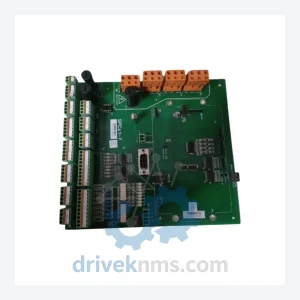
EMG SPCC1-7 Process Controller – SPCC Series
Emg SPCC1-7 is listed for SPCC Series RFQ review. Confirm quantity, condition and destination before quotation.
RFQ-ready industrial model
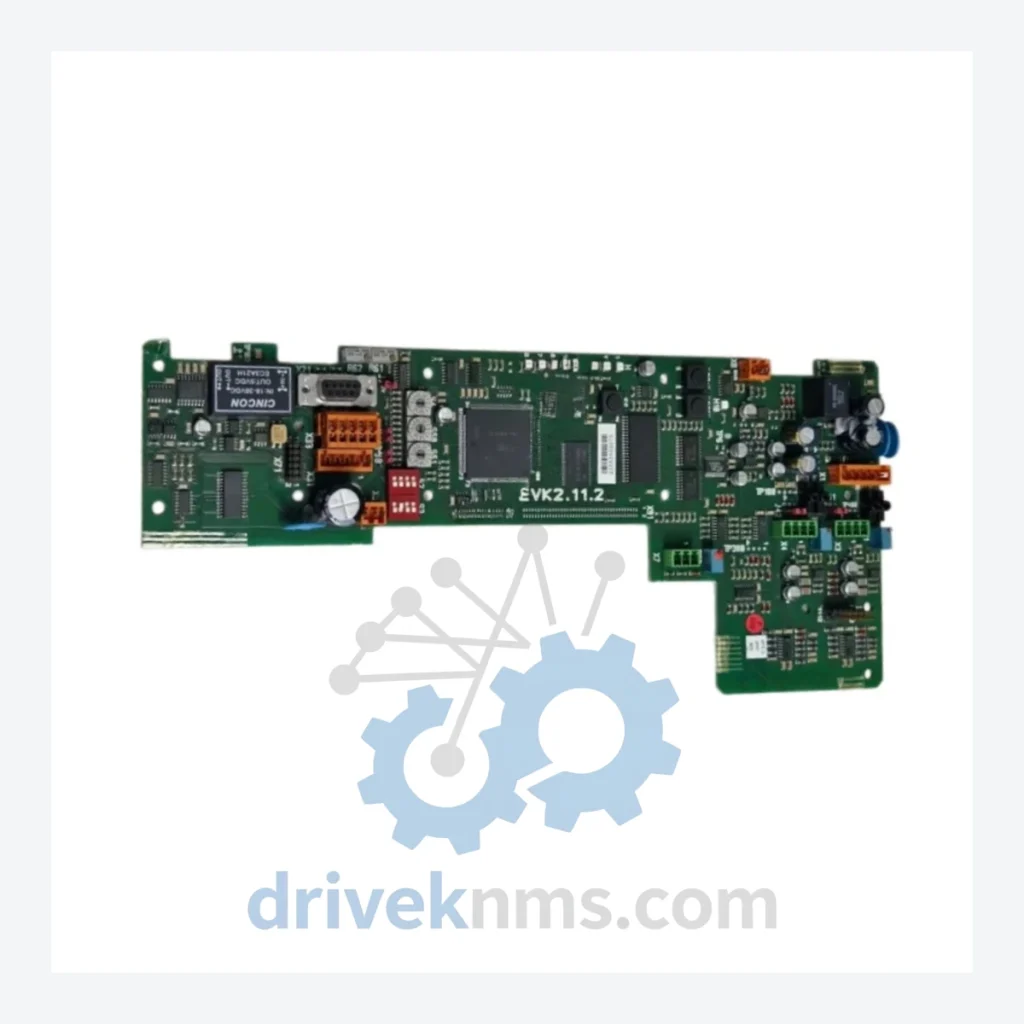
Model: EVK2.11.2
Product Overview
Commercial availability is handled through direct RFQ, model verification and export-oriented follow-up rather than public cart checkout.
Datasheet Preview
Use attached product manuals when available. If the manual is not public yet, request the full file directly through RFQ.
Commercial Path
Product pages on DRIVEKNMS are designed to verify model, brand and series first, then move the buyer into one clean quotation path.
Technical Dossier
RFQ support for obsolete parts: Send the model number, required quantity and destination so DriveKNMS can confirm sourcing options before quotation.
| Parameter | Detail |
|---|---|
| Manufacturer | EMG Automation GmbH |
| Part Number / SKU | EVK2.11.2 |
| Product Series | EVK Series |
| Category | Control Board / Regulator Card |
| Country of Origin | Germany |
| Discontinuation Status | Obsolete – No longer in active production by EMG |
| Typical Application | Tension control, dancer roll regulation, winding/unwinding systems |
| Compatible Systems | EMG EVK Series tension control units; legacy web-handling and converting lines |
| Weight | 1.5 kg (approx.) |
Note: Specific electrical parameters (supply voltage, signal range, communication interface) vary by installation configuration. DriveKNMS technical staff will confirm compatibility against your system documentation prior to shipment. No parameters are published here that cannot be verified — accuracy on obsolete hardware is a safety matter, not a marketing exercise.
The EMG EVK Series was widely deployed across paper mills, steel processing lines, film extrusion plants, and textile converting facilities throughout the 1990s and 2000s. The EVK2.11.2 control board sits at the core of the tension regulation loop — it processes feedback from load cells or dancer arms and issues corrective output to drive amplifiers. There is no generic substitute. The board's firmware, signal conditioning circuitry, and connector pinout are specific to the EVK platform.
When EMG discontinued the EVK Series, facilities that had built their production processes around this architecture faced a hard choice: absorb the cost of a full system replacement, or maintain the existing installation with carefully sourced spare parts. The majority of plant engineers and maintenance managers who have done the math choose the latter — and for good reason. A functioning EVK-based tension control system that is properly maintained can deliver another decade of reliable service. The capital that would have been consumed by a forced migration can instead be directed toward capacity expansion, process improvement, or other strategic priorities.
Obsolete parts sourced from the secondary market carry inherent risk. DriveKNMS applies a five-step quality assurance process to every EVK2.11.2 unit before it leaves our facility:
The EVK2.11.2 is a direct drop-in replacement for the same board position within the EVK Series enclosure. No mechanical modification to the host unit is required. The connector interface is identical to the original factory configuration, which means installation is a board-swap procedure — not an engineering project.
For facilities managing multiple EVK-equipped lines, the case for a structured spare parts program is straightforward. The cost of carrying two or three EVK2.11.2 boards in a climate-controlled spare parts cabinet is negligible against the cost of a single unplanned production stoppage. A line producing USD 50,000 per day that stops for three days while a replacement is located and shipped internationally has already absorbed a loss that dwarfs the cost of a proactive spares investment.
Can you source other EVK Series components?
Yes. DriveKNMS maintains sourcing networks for the broader EMG EVK product family. Contact us with your full bill of materials for a consolidated availability check.
Continue The Model Path
Move from this exact model into the matching system hub, brand archive, model-family archive or lifecycle sourcing route before sending a final RFQ list.
Related Paths
Emg SPCC1-7 is listed for SPCC Series RFQ review. Confirm quantity, condition and destination before quotation.
Emg ECU01.5 is listed for Turbine & Drive System RFQ review. Confirm quantity, condition and destination before quotation.
Emg IDC32-1.1 is listed for IDC Series RFQ review. Confirm quantity, condition and destination before quotation.