
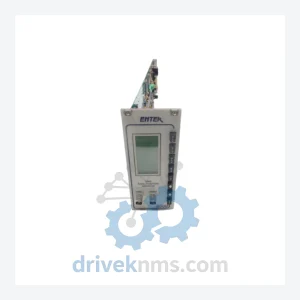
ENTEK 6682 EC6682 Axial Position Monitor – Obsolete Bently Nevada Compatible Spare Part
Entek 6682 EC6682 is listed for Bently Nevada Compatible RFQ review. Confirm quantity, condition and destination before quotation.
RFQ-ready industrial model
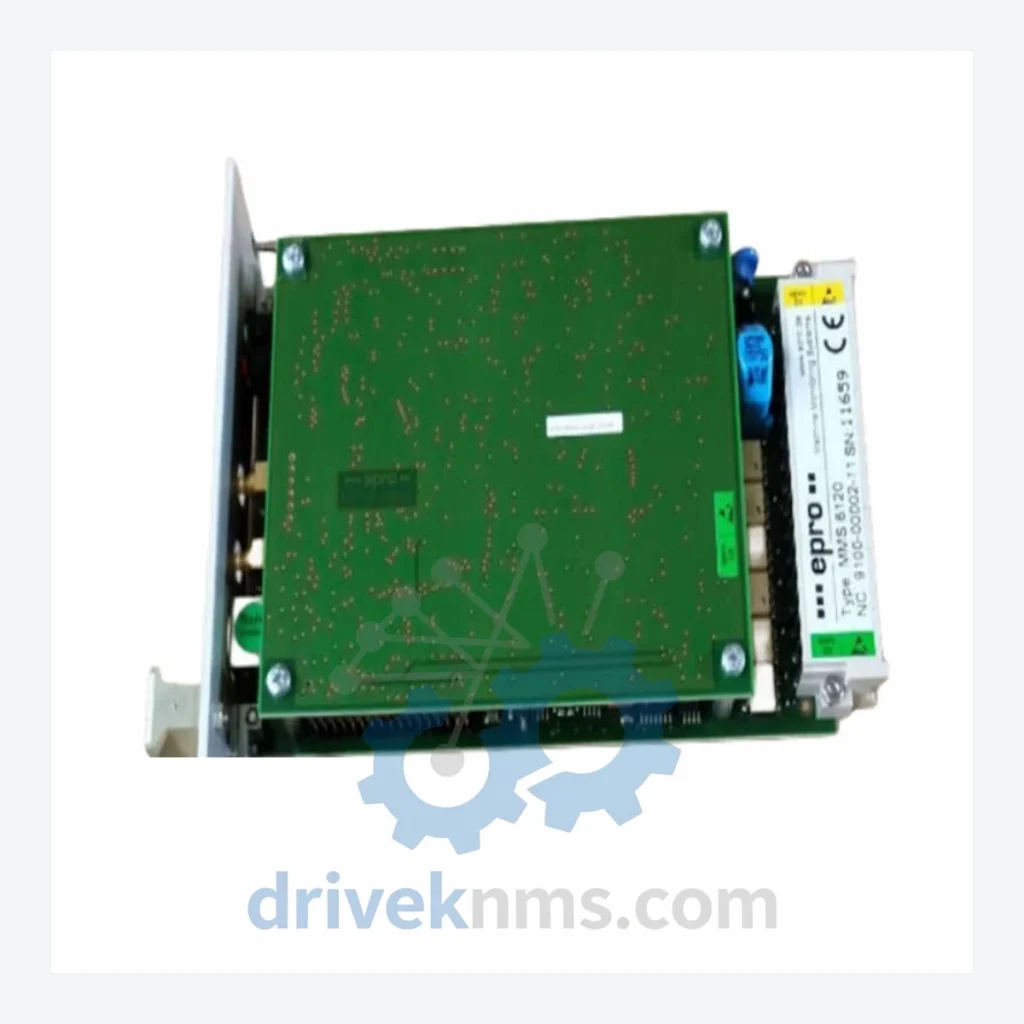
Model: MMS6140
Product Overview
Commercial availability is handled through direct RFQ, model verification and export-oriented follow-up rather than public cart checkout.
Datasheet Preview
Use attached product manuals when available. If the manual is not public yet, request the full file directly through RFQ.
Commercial Path
Product pages on DRIVEKNMS are designed to verify model, brand and series first, then move the buyer into one clean quotation path.
Technical Dossier
When an EPRO MMS6140 module fails in a running plant, the immediate question is not where to find a replacement — it is whether the entire machinery protection architecture must be decommissioned. The MMS6140 is a channel vibration monitor from EPRO's MMS6000 series, a platform widely embedded in rotating machinery protection systems across power generation, oil & gas, and heavy process industries. These systems were engineered for decade-long service cycles, and many remain in active operation today precisely because they were built to last. The problem is that the supply chain did not keep pace.
RFQ support for obsolete parts: Send the model number, required quantity and destination so DriveKNMS can confirm sourcing options before quotation.
| Part Number | MMS6140 |
| Manufacturer | EPRO (now part of Baker Hughes / Bently Nevada ecosystem) |
| Series | MMS6000 |
| Function | Vibration monitoring channel module for rotating machinery protection |
| Typical Application | Turbines, compressors, pumps — continuous shaft vibration surveillance |
| Discontinuation Status | Obsolete / End-of-Life; no longer manufactured or supported by OEM |
| Compatible Systems | EPRO MMS6000 series racks; installations previously integrated with Bently Nevada 3500 series environments |
| Country of Origin | Germany |
Note: Electrical parameters not listed here are subject to unit-level verification during our QA process. No parameters are published without confirmed source documentation.
The MMS6000 platform was designed as a modular, rack-based machinery protection system. Its channel architecture — of which the MMS6140 is a core element — allowed facilities to monitor multiple vibration points from a single rack, reducing wiring complexity and centralizing alarm logic. This design philosophy made the platform deeply embedded in plant infrastructure: replacing it is not a module swap, it is a system redesign.
For plant managers operating under capital expenditure constraints, the calculus is straightforward. A full system migration to a current-generation protection platform requires new sensors, new cabling, new rack infrastructure, engineering hours for system revalidation, and — critically — a planned shutdown window. In many facilities, that window does not exist without significant production impact. The MMS6140, sourced as a verified spare, eliminates that entire cost chain. The existing rack stays. The existing sensor wiring stays. The existing alarm setpoints stay. The plant keeps running.
Facilities that have adopted a proactive spare-holding strategy for MMS6000 modules report extending their machinery protection system service life by 5 to 10 years beyond OEM end-of-life dates — without a single unplanned shutdown attributable to module failure. The strategy is not complicated: identify the modules with the highest failure exposure, secure verified spares, and store them correctly. The MMS6140, as a channel-level monitoring module subject to continuous signal processing, sits at the top of that exposure list.
Obsolete parts sourced without verification discipline introduce risk, not resilience. DriveKNMS applies a 5-step inspection protocol to every MMS6140 unit before it is offered for sale:
1. Electrolytic Capacitor Assessment — Capacitors are the primary age-related failure point in signal processing modules. Each unit is inspected for capacitor bulging, leakage, and ESR deviation from specification.
2. Firmware Version Verification — Where firmware version data is accessible and documented, units are verified against known stable releases. Version mismatches that could affect alarm behavior are flagged before dispatch.
3. Pin and Connector Corrosion Inspection — All edge connectors and backplane pins are examined under magnification for oxidation, pitting, and mechanical deformation. Affected contacts are treated or the unit is rejected.
4. Functional Bench Test — Units are powered and subjected to signal input simulation where test infrastructure permits, confirming basic channel response prior to shipment.
5. Packaging for Long-Term Storage — Units not immediately deployed are packaged in anti-static, humidity-controlled materials suitable for extended shelf storage in a controlled environment.
This drop-in compatibility is the defining operational advantage of sourcing genuine MMS6140 units rather than pursuing cross-platform workarounds. Workarounds require engineering validation. A verified OEM-equivalent spare does not. The cost difference between the two approaches — in engineering hours alone — typically exceeds the cost of maintaining a spare inventory by an order of magnitude.
How do I confirm the unit is genuine and not a counterfeit?
All MMS6140 units supplied by DriveKNMS are sourced through documented industrial channels. Physical markings, board revision indicators, and component profiles are cross-referenced against known genuine units. We do not source from unverified secondary markets.
Can you source other MMS6000 series modules?
Yes. DriveKNMS maintains sourcing capability across the MMS6000 series. Contact us with your full bill of materials for a consolidated availability check.
Continue The Model Path
Move from this exact model into the matching system hub, brand archive, model-family archive or lifecycle sourcing route before sending a final RFQ list.
Related Paths
Entek 6682 EC6682 is listed for Bently Nevada Compatible RFQ review. Confirm quantity, condition and destination before quotation.
EPRO MMS6312 is listed for Bently Nevada Compatible RFQ review. Confirm quantity, condition and destination before quotation.
ICS Triplex T8442C is listed for Bently Nevada Compatible RFQ review. Confirm quantity, condition and destination before quotation.