
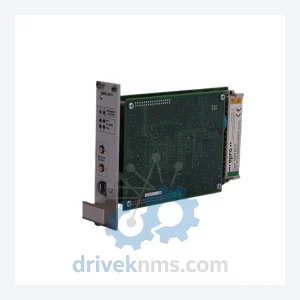
EPRO MMS6210 Shaft Displacement Monitor – MMS Series
EPRO MMS6210 is listed for MMS Series RFQ review. Confirm quantity, condition and destination before quotation.
RFQ-ready industrial model
Model: MMS6211
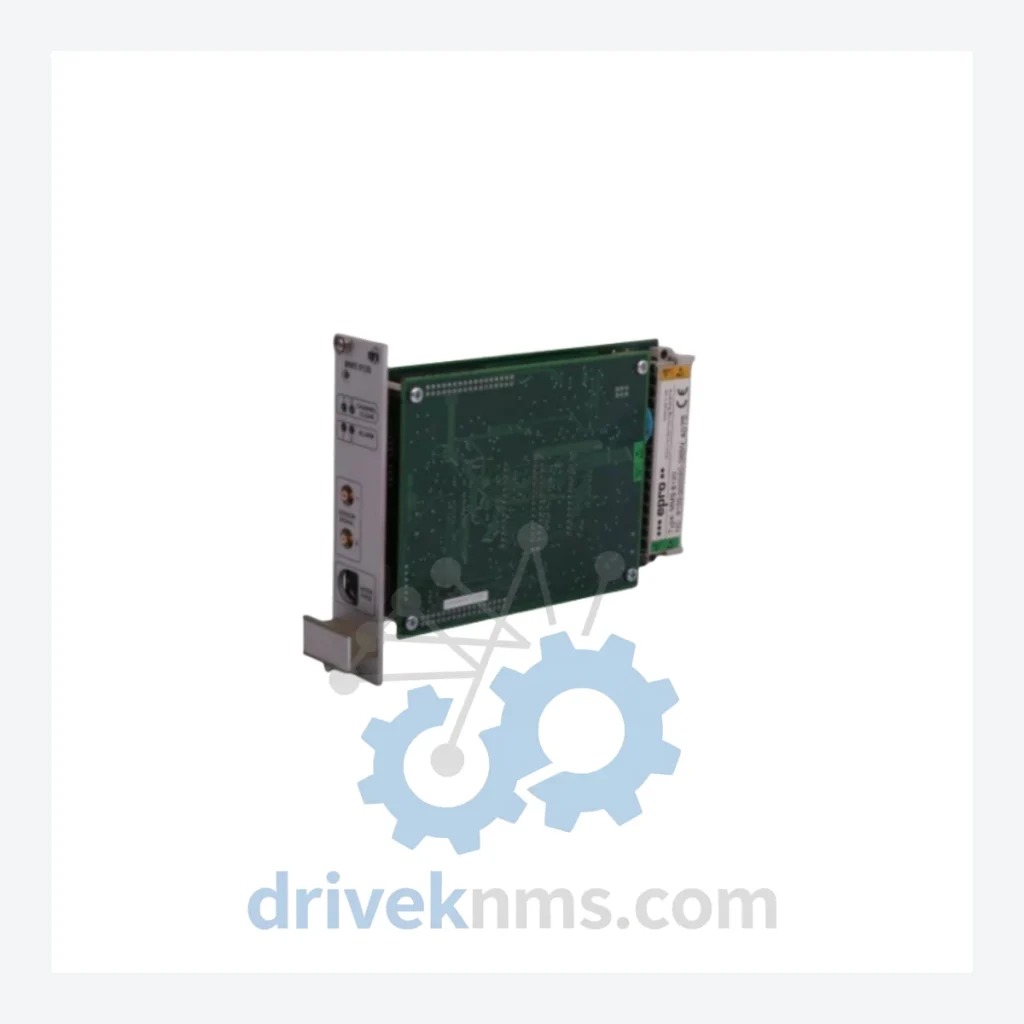
Product Overview
Commercial availability is handled through direct RFQ, model verification and export-oriented follow-up rather than public cart checkout.
Datasheet Preview
Use attached product manuals when available. If the manual is not public yet, request the full file directly through RFQ.
Commercial Path
Product pages on DRIVEKNMS are designed to verify model, brand and series first, then move the buyer into one clean quotation path.
Technical Dossier
EPRO's MMS series has been discontinued. Replacement cards are no longer manufactured. Every unit remaining in the global supply chain is finite. DriveKNMS maintains RFQ-reviewed sourcing status of the MMS6211 sourced through controlled industrial channels, providing plant engineers and maintenance managers a direct path to asset continuity without forced capital expenditure.
RFQ support for obsolete parts: Send the model number, required quantity and destination so DriveKNMS can confirm sourcing options before quotation.
| Manufacturer | EPRO (now integrated into Baker Hughes / Bently Nevada portfolio) |
| Part Number | MMS6211 |
| Series | MMS (Modular Monitoring System) |
| Function | Vibration signal conditioning and monitoring card |
| Compatible Systems | EPRO MMS rack-based machinery protection systems |
| Typical Applications | Turbine shaft vibration monitoring, compressor bearing protection, rotating equipment surveillance |
| Country of Origin | Germany |
| Product Status | Discontinued / Obsolete – No longer in production |
| Availability | RFQ availability review – subject to prior sale |
Note: Electrical parameters such as input voltage range, channel count, and output signal specifications are model-revision dependent. DriveKNMS will provide full datasheet documentation upon inquiry to ensure compatibility with your specific rack configuration.
The EPRO MMS platform was engineered for long-service-life industrial environments. Many facilities that installed MMS-based protection systems in the 1990s and 2000s are still operating those same racks today — because the systems work, and because replacing them is not a maintenance decision but a capital project requiring board-level approval.
The MMS6211 card sits at the front end of the signal chain. It conditions raw vibration transducer signals — typically from proximity probes or accelerometers — into processed data the monitoring rack can act on. Without a functioning MMS6211, the rack loses its ability to detect shaft displacement, bearing wear, or imbalance conditions that precede catastrophic failure. Running critical rotating equipment without this protection layer is not an acceptable operational posture in any regulated or safety-conscious facility.
The economics of legacy system maintenance are straightforward when examined against the alternative. A full machinery protection system replacement — new rack, new cards, new transducers, new cabling, engineering hours, commissioning, and operator retraining — represents a project cost that most facilities cannot absorb outside of a planned capital cycle. The MMS6211, as a drop-in replacement card, allows maintenance teams to restore full system functionality in hours, not months.
The strategic approach adopted by facilities with mature asset management programs is proactive spare parts positioning. Rather than waiting for a failure event, they identify the cards most likely to fail based on age and thermal cycling history, and they secure verified replacements before the need becomes urgent. For MMS-based systems, the MMS6211 is consistently among the highest-priority cards to buffer, given its role in the signal conditioning chain and the difficulty of sourcing it through conventional channels.
Obsolete parts sourced outside OEM channels carry inherent risk if not properly evaluated. DriveKNMS applies a structured 5-step quality assurance process to every MMS6211 unit before it is offered for sale:
Step 1 – Visual and Physical Inspection: Full board inspection for mechanical damage, contaminated connectors, and corrosion on edge contacts and pin headers. Units with compromised physical integrity are rejected at intake.
Step 2 – Electrolytic Capacitor Assessment: Aged electrolytic capacitors are the primary failure mode in cards of this generation. Each unit is evaluated for capacitor bulging, leakage, and ESR degradation. Where degradation is confirmed, capacitors are replaced with specification-matched components before the unit is offered for sale.
Step 3 – Firmware and Configuration Verification: Where applicable, firmware revision is documented and cross-referenced against known compatible versions for the target rack configuration. Customers are advised of the firmware state prior to shipment.
Step 4 – Pin and Connector Integrity Check: All edge connectors and backplane interface pins are inspected for oxidation, bending, and contact resistance. Affected contacts are cleaned and treated to restore reliable electrical connection.
Drop-in replacement: The MMS6211 installs directly into the existing MMS rack slot. No rack modification, no rewiring, and no changes to the monitoring system configuration are required in standard replacement scenarios.
Avoids engineering reconstruction costs: The alternative to a card replacement is a system migration project. Engineering reconstruction of a machinery protection system — including transducer compatibility assessment, new rack specification, cabling modifications, and functional safety revalidation — is a multi-month, multi-discipline project. A verified MMS6211 replacement eliminates that cost entirely for the duration of the card's service life.
Maintains existing safety certification baseline: Replacing a like-for-like card within a certified machinery protection system preserves the existing functional safety baseline. A system migration, by contrast, typically requires a full functional safety review and revalidation — a significant regulatory and engineering burden.
Q: How do I confirm the unit is genuine and not a counterfeit?
A: All units sourced by DriveKNMS are traceable to documented industrial supply channels. We provide full provenance documentation, including source records and inspection reports, with each unit. We do not source from unverified secondary markets. Customers are encouraged to request documentation prior to purchase.
Q: Can DriveKNMS source other MMS series cards?
A: Yes. DriveKNMS specializes in obsolete and hard-to-find industrial automation components across the EPRO MMS platform and other legacy machinery protection and control systems. Contact us with your full bill of materials for a sourcing assessment.
Continue The Model Path
Move from this exact model into the matching system hub, brand archive, model-family archive or lifecycle sourcing route before sending a final RFQ list.
Related Paths
EPRO MMS6210 is listed for MMS Series RFQ review. Confirm quantity, condition and destination before quotation.
EPRO PR6423/003-030-CN CON021 is listed for Monitoring Systems RFQ review. Confirm quantity, condition and destination before quotation.
EPRO PR6424/000-130 CON021 is listed for PR6400 Series RFQ review. Confirm quantity, condition and destination before quotation.