
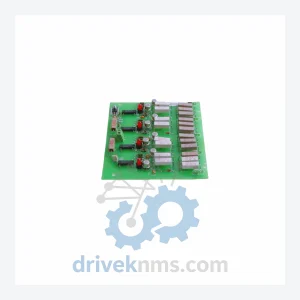
Faiveley A544337 Control Board – Obsolete Railway Spare Part
Faiveley Transport A544337 is listed for Servo Drives RFQ review. Confirm quantity, condition and destination before quotation.
RFQ-ready industrial model
Model: 74030000 E2333
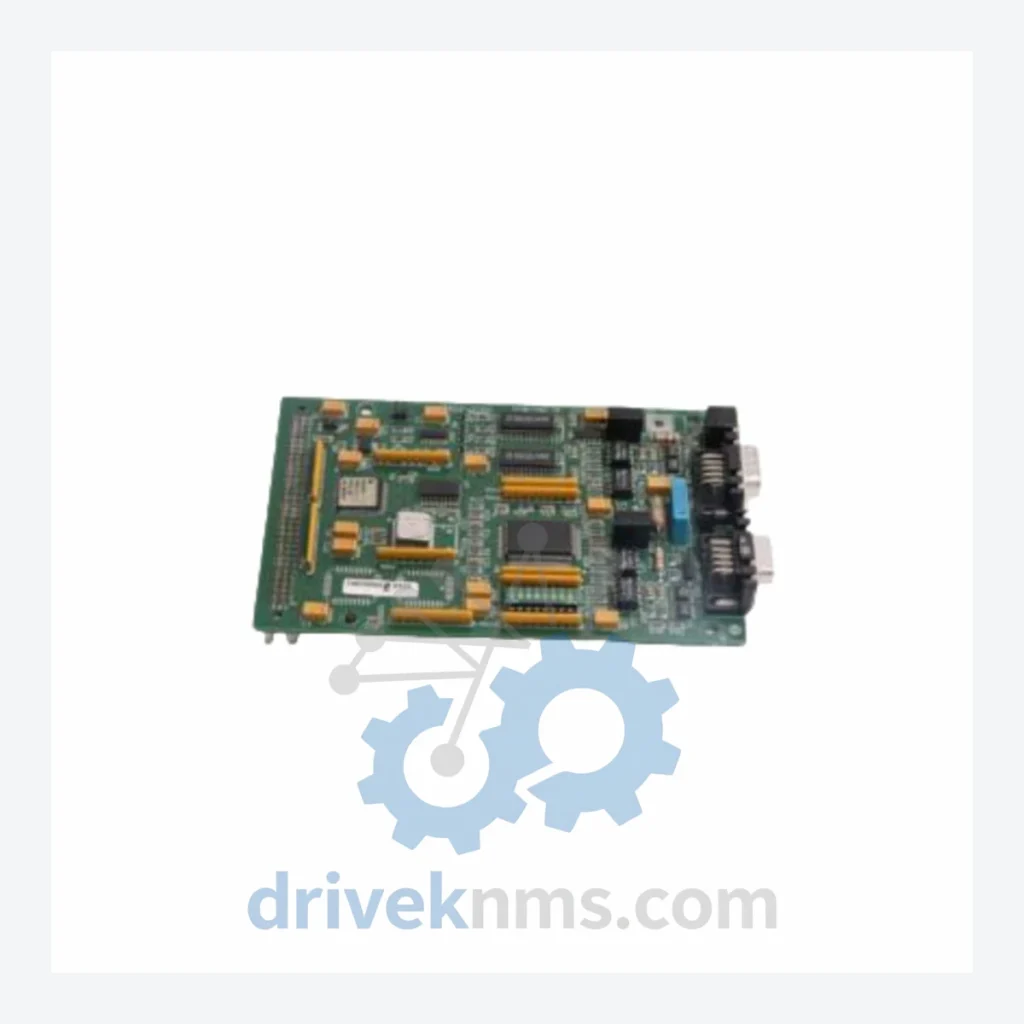
Product Overview
Commercial availability is handled through direct RFQ, model verification and export-oriented follow-up rather than public cart checkout.
Datasheet Preview
Use attached product manuals when available. If the manual is not public yet, request the full file directly through RFQ.
Commercial Path
Product pages on DRIVEKNMS are designed to verify model, brand and series first, then move the buyer into one clean quotation path.
Technical Dossier
RFQ support for obsolete parts: Send the model number, required quantity and destination so DriveKNMS can confirm sourcing options before quotation.
| Parameter | Detail |
|---|---|
| Part Number | 74030000 E2333 |
| Manufacturer | Faiveley Transport |
| Component Type | Electronic Control Board |
| Application | Railway Brake Control System |
| Country of Origin | France |
| Discontinuation Status | Confirmed Obsolete – No Longer in OEM Production |
| Compatibility | Faiveley legacy brake control platforms (verify with your system documentation before ordering) |
Note: Electrical parameters such as supply voltage, current ratings, and communication interfaces are not published here to prevent misapplication. Please contact our technical team with your system documentation for a compatibility assessment.
Faiveley Transport's brake control electronics, including the 74030000 E2333 series, were designed for long-service-life rail applications. These boards are embedded in brake management architectures that remain in active service across metro, light rail, and intercity fleets worldwide. The problem is structural: OEM production has ceased, yet the installed base continues to operate under demanding duty cycles.
Maintenance engineers managing these fleets understand the operational reality. A single failed control board can ground a vehicle. A grounded vehicle disrupts scheduling. Disrupted scheduling triggers penalty clauses, passenger compensation obligations, and regulatory scrutiny. The cost of one unplanned outage frequently exceeds the cost of maintaining a multi-year spare parts reserve by an order of magnitude.
The 74030000 E2333 is not a commodity component that can be substituted with a generic alternative. Its integration into the brake control logic — including fault detection routines, pressure regulation feedback, and communication with the vehicle control unit — requires an exact replacement. Sourcing this board from a specialist supplier with RFQ-reviewed sourcing status is the only path that avoids engineering redesign.
How to extend your brake system asset life by 5–10 years without a full retrofit:
DriveKNMS applies a structured five-step quality process to all obsolete control boards before dispatch. This process is designed specifically for legacy electronic components where age-related degradation is the primary failure risk.
Q: How are RFQ terms confirmed?
A: Quantity, required condition, documentation needs, destination and sourcing route are confirmed during RFQ review before quotation.
Q: Can you support multi-unit or repeat RFQ requests?
A: Yes. Send the model list, target quantity and destination so DRIVEKNMS can review sourcing options and quote the requirement as a project RFQ.
Continue The Model Path
Move from this exact model into the matching system hub, brand archive, model-family archive or lifecycle sourcing route before sending a final RFQ list.
Related Paths
Faiveley Transport A544337 is listed for Servo Drives RFQ review. Confirm quantity, condition and destination before quotation.
Alstom MVAJ105RA0802A is listed for MiCOM Series RFQ review. Confirm quantity, condition and destination before quotation.
Moore 16137-174 is listed for Servo Drives RFQ review. Confirm quantity, condition and destination before quotation.