
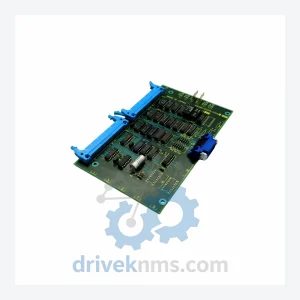
FANUC A20B-0006-0040 Circuit Board – Obsolete Series Spare Part
Fanuc A20B-0006-0040 is listed for Servo Drives RFQ review. Confirm quantity, condition and destination before quotation.
RFQ-ready industrial model
Model: 2000ic.2000ib 2000ic165
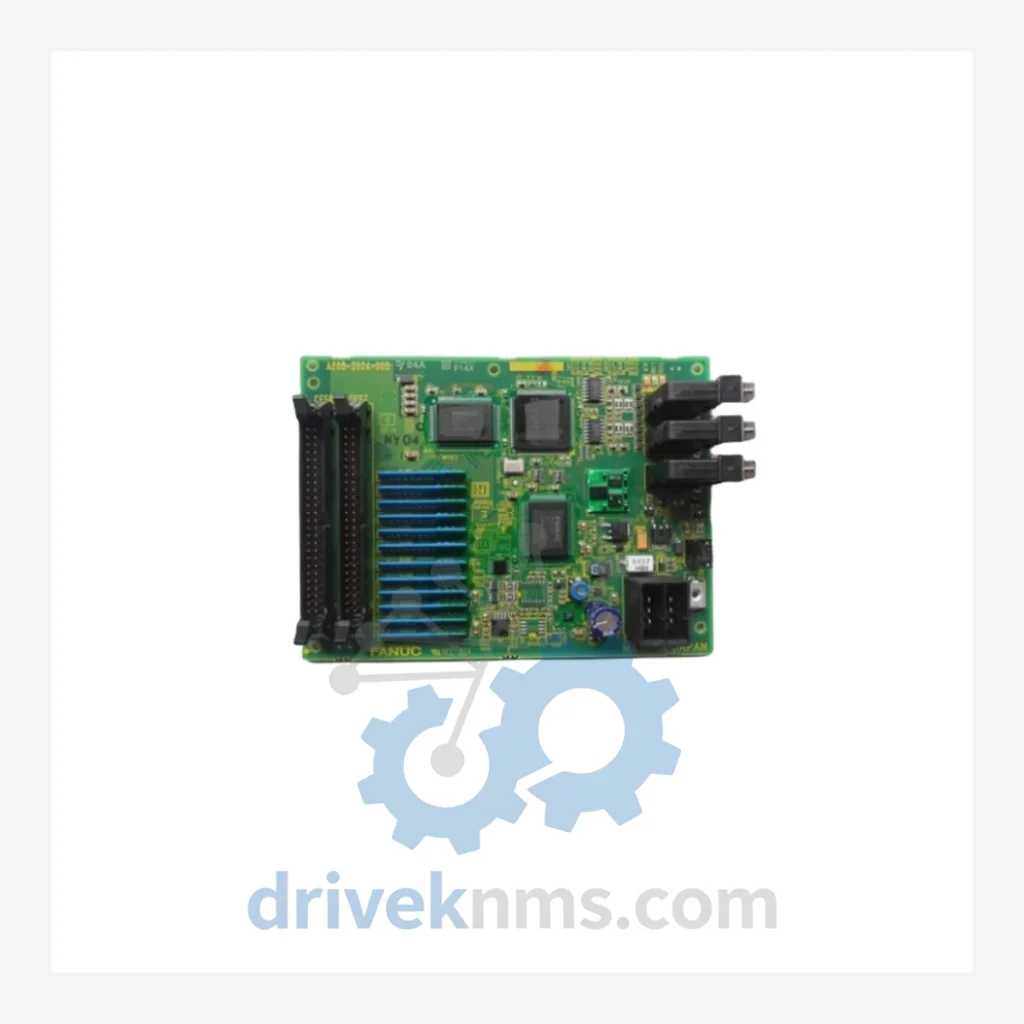
Product Overview
Commercial availability is handled through direct RFQ, model verification and export-oriented follow-up rather than public cart checkout.
Datasheet Preview
Use attached product manuals when available. If the manual is not public yet, request the full file directly through RFQ.
Commercial Path
Product pages on DRIVEKNMS are designed to verify model, brand and series first, then move the buyer into one clean quotation path.
Technical Dossier
DriveKNMS maintains physical inventory of hard-to-source FANUC R-2000 series mechanical and electrical components. This listing covers the wrist assembly unit compatible with the R-2000iC/165 and R-2000iB configurations.
RFQ support for obsolete parts: Send the model number, required quantity and destination so DriveKNMS can confirm sourcing options before quotation.
| Parameter | Detail |
|---|---|
| Manufacturer | FANUC Corporation |
| Compatible Model | R-2000iC/165, R-2000iB series |
| Component | Robot Wrist Assembly (J4/J5/J6 Axis Unit) |
| Country of Origin | Japan |
| OEM Production Status | Discontinued – superseded by R-2000iD platform |
| Payload Capacity (Robot) | 165 kg (R-2000iC/165 configuration) |
| Compatibility Note | Verify mechanical interface revision before ordering; contact us with your robot serial number for confirmation |
The FANUC R-2000iB and R-2000iC series were deployed extensively in automotive body welding, press tending, and heavy material handling lines throughout the 2000s and 2010s. Many of these installations remain in active production today, anchored by process programs, tooling, and safety layouts that were engineered around this specific robot geometry. The wrist assembly — housing the J4, J5, and J6 axis drives, gear units, and encoder interfaces — is the highest-wear mechanical subassembly on the robot. It is also the component most likely to cause a total robot stoppage when it fails.
The operational calculus is direct: a verified wrist assembly held in your maintenance store eliminates the single most likely cause of an unplanned multi-week robot outage. For a line producing 200–500 units per shift, the cost of that outage measured in lost throughput alone exceeds the cost of spare inventory within the first 48 hours.
How to extend your R-2000iC/iB asset life by 5–10 years without a capital replacement program:
Sourcing a wrist assembly for a discontinued robot platform carries inherent risk. DriveKNMS applies a structured 5-step inspection protocol to every unit before it is offered for sale:
How do I confirm this unit is compatible with my specific robot?
Provide your robot serial number and controller model when contacting us. We will confirm mechanical interface revision compatibility before issuing a quotation.
Should I buy more than one unit?
For facilities operating 3 or more R-2000iC/iB robots, holding a minimum of one spare wrist assembly is a defensible maintenance strategy. For larger fleets, a ratio of one spare per 4–6 robots is consistent with industry practice for discontinued-platform asset management.
Continue The Model Path
Move from this exact model into the matching system hub, brand archive, model-family archive or lifecycle sourcing route before sending a final RFQ list.
Related Paths
Fanuc A20B-0006-0040 is listed for Servo Drives RFQ review. Confirm quantity, condition and destination before quotation.
Fanuc A02B-0076-K001 is listed for Servo Drives RFQ review. Confirm quantity, condition and destination before quotation.
Fanuc A02B-0303-C074 is listed for Series 30i/31i/32i RFQ review. Confirm quantity, condition and destination before quotation.