
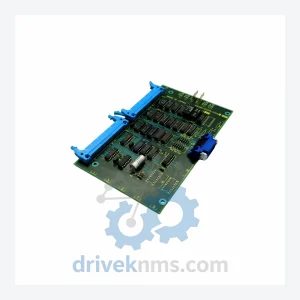
FANUC A20B-0006-0040 Circuit Board – Obsolete Series Spare Part
Fanuc A20B-0006-0040 is listed for Servo Drives RFQ review. Confirm quantity, condition and destination before quotation.
RFQ-ready industrial model
Model: R-2000iBJ5¡¢J6 R-2000iB
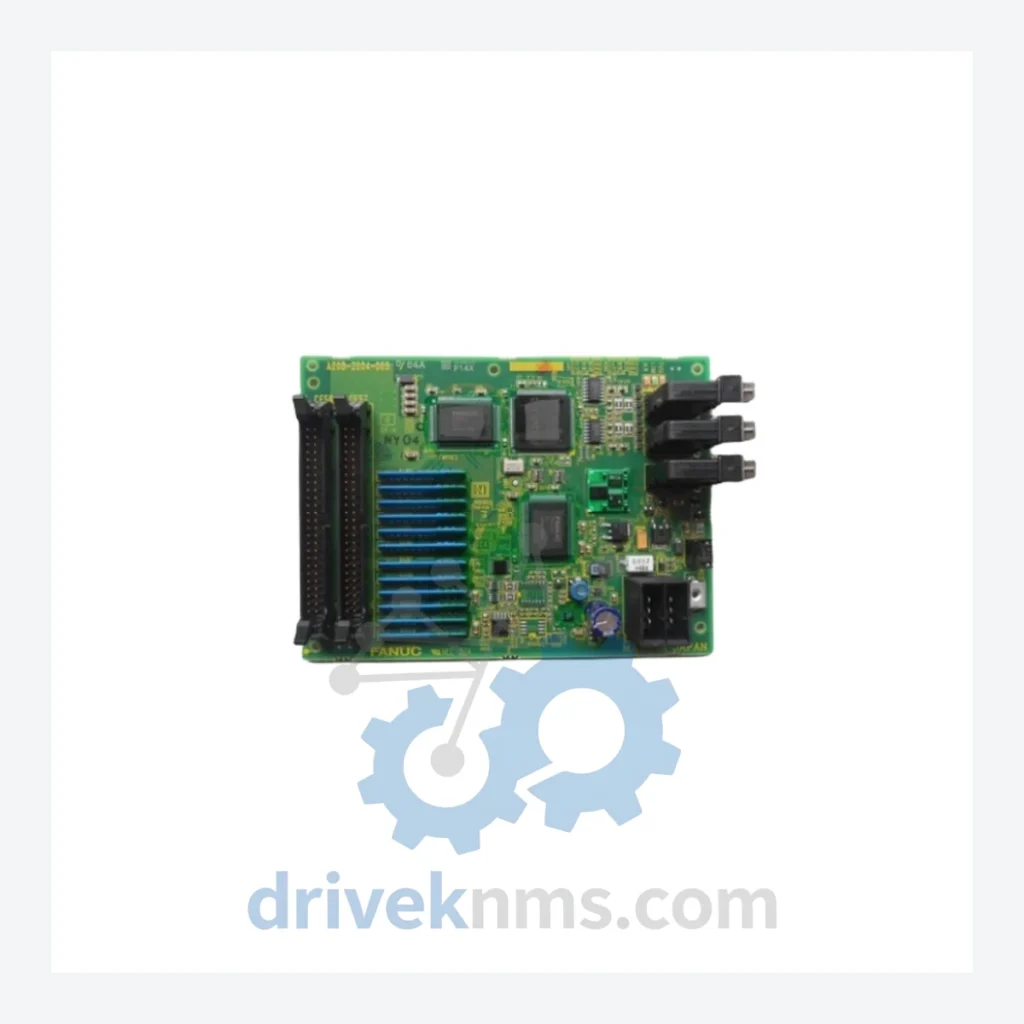
Product Overview
Commercial availability is handled through direct RFQ, model verification and export-oriented follow-up rather than public cart checkout.
Datasheet Preview
Use attached product manuals when available. If the manual is not public yet, request the full file directly through RFQ.
Commercial Path
Product pages on DRIVEKNMS are designed to verify model, brand and series first, then move the buyer into one clean quotation path.
Technical Dossier
DriveKNMS reviews sourcing options for this model during RFQ handling before quotation.
RFQ support for obsolete parts: Send the model number, required quantity and destination so DriveKNMS can confirm sourcing options before quotation.
| Parameter | Detail |
|---|---|
| Manufacturer | FANUC Corporation |
| Series | R-2000iB |
| Variant | J5 / J6 Toploader |
| Country of Origin | Japan |
| OEM Status | Discontinued – No longer in active production |
| Typical Application | Toploader material handling, press tending, heavy payload transfer |
| Compatible Controllers | FANUC R-30iA, R-30iB (verify against your cell configuration) |
| Note | Electrical and mechanical parameters vary by sub-variant. Confirm your exact configuration before ordering. |
The FANUC R-2000iB series was a workhorse of heavy-payload automation through the 2000s and early 2010s. It was deployed extensively in automotive body shops, foundry lines, and large-format press-tending cells — environments where the robot's reach, payload capacity, and toploader geometry were matched to the physical constraints of the line. Replacing it is not a matter of swapping in a newer model. The R-2000iB/J5/J6 Toploader configuration has a specific mounting geometry and wrist orientation that later R-2000iC and R-2000iD variants do not replicate without mechanical modification to the end-of-arm tooling, the cell guarding, and in many cases the conveyor interface.
For a plant running three or four of these cells, a forced upgrade is a multi-year capital project. The engineering hours alone — path reprogramming, collision zone reconfiguration, safety PLC updates — represent a cost that no maintenance budget absorbs quietly. The rational alternative, for any operation with a 5-to-10-year horizon on the existing line, is to maintain a verified spare unit on the shelf. One unit in reserve eliminates the risk of an unplanned line stoppage becoming a forced modernization event.
Every R-2000iB/J5/J6 unit released by DriveKNMS passes a structured 5-step inspection protocol developed specifically for legacy industrial robots:
Condition grade and any noted findings are disclosed in writing prior to order confirmation. We do not ship units with undisclosed defects.
Factory managers facing pressure to retire R-2000iB-based cells often underestimate the practical options available before a full replacement becomes unavoidable. The following strategy has been applied successfully across multiple facilities running legacy FANUC infrastructure:
1. Identify your single points of failure. In any R-2000iB cell, the robot unit itself is typically the hardest component to source. Controllers, teach pendants, and servo amplifiers have broader aftermarket availability. Prioritize securing a spare robot unit first.
2. Audit capacitor health in your existing units. Electrolytic capacitors in servo drives have a finite service life, typically 10–15 years under normal operating conditions. Proactive replacement of aged capacitors in your running units — a low-cost maintenance task — eliminates the most common cause of sudden servo drive failure in legacy robots.
3. Maintain firmware documentation. Record the exact firmware version running on each controller in your facility. When sourcing replacement units or drives, this information is essential for confirming compatibility and avoiding integration failures.
5. Negotiate long-term supply agreements with specialist distributors. As legacy inventory tightens globally, pricing and availability will deteriorate. Securing units now, at current market rates, is a straightforward hedge against future scarcity.
These measures, taken together, extend the viable service life of an R-2000iB-based cell by 5 to 10 years without capital expenditure on new equipment.
Q: How do I confirm the unit is new or quality-refurbished?
A: Condition grade — new surplus, tested used, or refurbished — is disclosed before order confirmation. We provide inspection documentation and, where available, photographic records of the unit's condition.
Q: How is the unit packaged for international shipment?
A: Units are packaged in industrial crating with axis locks engaged and connector protection fitted. Export documentation is prepared in compliance with the destination country's import requirements.
Continue The Model Path
Move from this exact model into the matching system hub, brand archive, model-family archive or lifecycle sourcing route before sending a final RFQ list.
Related Paths
Fanuc A20B-0006-0040 is listed for Servo Drives RFQ review. Confirm quantity, condition and destination before quotation.
Fanuc A02B-0076-K001 is listed for Servo Drives RFQ review. Confirm quantity, condition and destination before quotation.
Fanuc A02B-0303-C074 is listed for Series 30i/31i/32i RFQ review. Confirm quantity, condition and destination before quotation.