
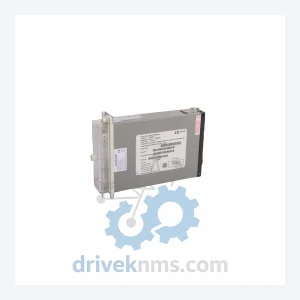
ALSTOM MVAJ105RA0802A Protection Relay – MiCOM Series
Alstom MVAJ105RA0802A is listed for MiCOM Series RFQ review. Confirm quantity, condition and destination before quotation.
RFQ-ready industrial model
Model: PS56-BAS-073
Product Overview
Commercial availability is handled through direct RFQ, model verification and export-oriented follow-up rather than public cart checkout.
Datasheet Preview
Use attached product manuals when available. If the manual is not public yet, request the full file directly through RFQ.
Commercial Path
Product pages on DRIVEKNMS are designed to verify model, brand and series first, then move the buyer into one clean quotation path.
Technical Dossier
RFQ support for obsolete parts: Send the model number, required quantity and destination so DriveKNMS can confirm sourcing options before quotation.
Note: Electrical parameters not independently verified. Specifications are confirmed against OEM documentation where available. No parameters are fabricated. Contact us for datasheet support.
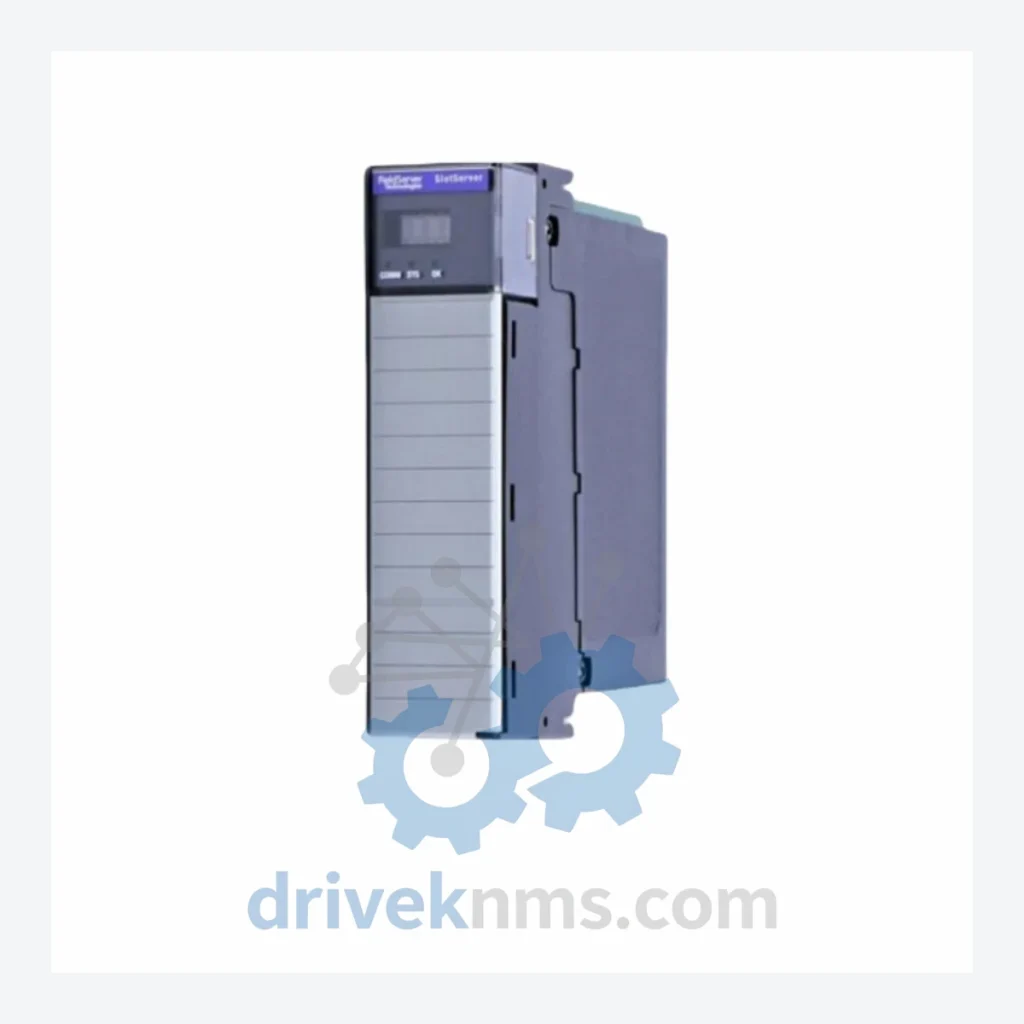
The PS56-BAS-073 sits at the communication layer of the FieldServe PS56 BAS architecture. In these systems, the communication module is not a peripheral — it is the node through which field controllers, sensors, and supervisory software exchange data. Remove it, and the system is blind.
Legacy BAS installations built around the PS56 platform are common in commercial buildings, hospitals, and industrial facilities constructed in the 1990s and early 2000s. These systems were engineered for 20–30 year service lives, and many are still performing their core function reliably. The hardware itself is not the problem. The problem is that OEM support has ended, and a single failed communication module can render an otherwise functional system inoperable.
Replacing the entire BAS to address one failed module is an engineering decision that cannot be justified on technical grounds alone. The PS56-BAS-073 is a direct drop-in replacement. Sourcing it from DriveKNMS eliminates the need for system redesign, re-commissioning, or retraining of facilities staff. The cost differential between a spare module and a system replacement is not marginal — it is measured in orders of magnitude.
How to Extend Your Legacy BAS Asset Life by 5–10 Years
Facility managers operating legacy BAS infrastructure face a predictable attrition problem: components fail on no fixed schedule, OEM channels close, and each failure becomes a crisis rather than a maintenance event. The following strategy converts reactive crisis management into a controlled, low-cost maintenance posture:
DriveKNMS applies a 5-step inspection protocol to all obsolete communication modules before dispatch review:
Units that do not pass all five stages are not sold as functional spares. Condition is disclosed accurately on each order.
How do I know the unit is genuine and not a counterfeit?
All units sourced by DriveKNMS are inspected for OEM markings, PCB layout consistency, and component authenticity. We do not source from unverified channels. Documentation of unit origin is available on request.
Should I buy more than one unit?
For any system where the PS56-BAS-073 is a single point of failure, holding at least one spare unit on-site is a defensible maintenance decision. The cost of a second unit is fixed. The cost of an unplanned outage while sourcing a replacement under time pressure is not.
Can you source additional units if I need more than one?
Contact us with your quantity requirement. We maintain sourcing relationships across multiple channels and can advise on availability timelines for larger quantities.
Continue The Model Path
Move from this exact model into the matching system hub, brand archive, model-family archive or lifecycle sourcing route before sending a final RFQ list.
Related Paths
Alstom MVAJ105RA0802A is listed for MiCOM Series RFQ review. Confirm quantity, condition and destination before quotation.
Moore 16137-174 is listed for Servo Drives RFQ review. Confirm quantity, condition and destination before quotation.
Fuji Electric EP-3364B-CA-Z2 is listed for FRENIC Series RFQ review. Confirm quantity, condition and destination before quotation.