
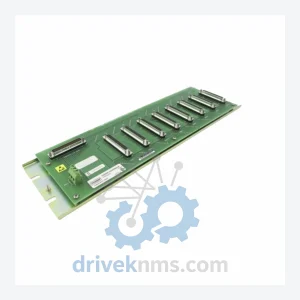
Fisher CL6741 Interface Panel – DCS/SIS Integration Module
Fisher CL6741 is listed for DCS Cards RFQ review. Confirm quantity, condition and destination before quotation.
RFQ-ready industrial model
Model: 38B5786X052
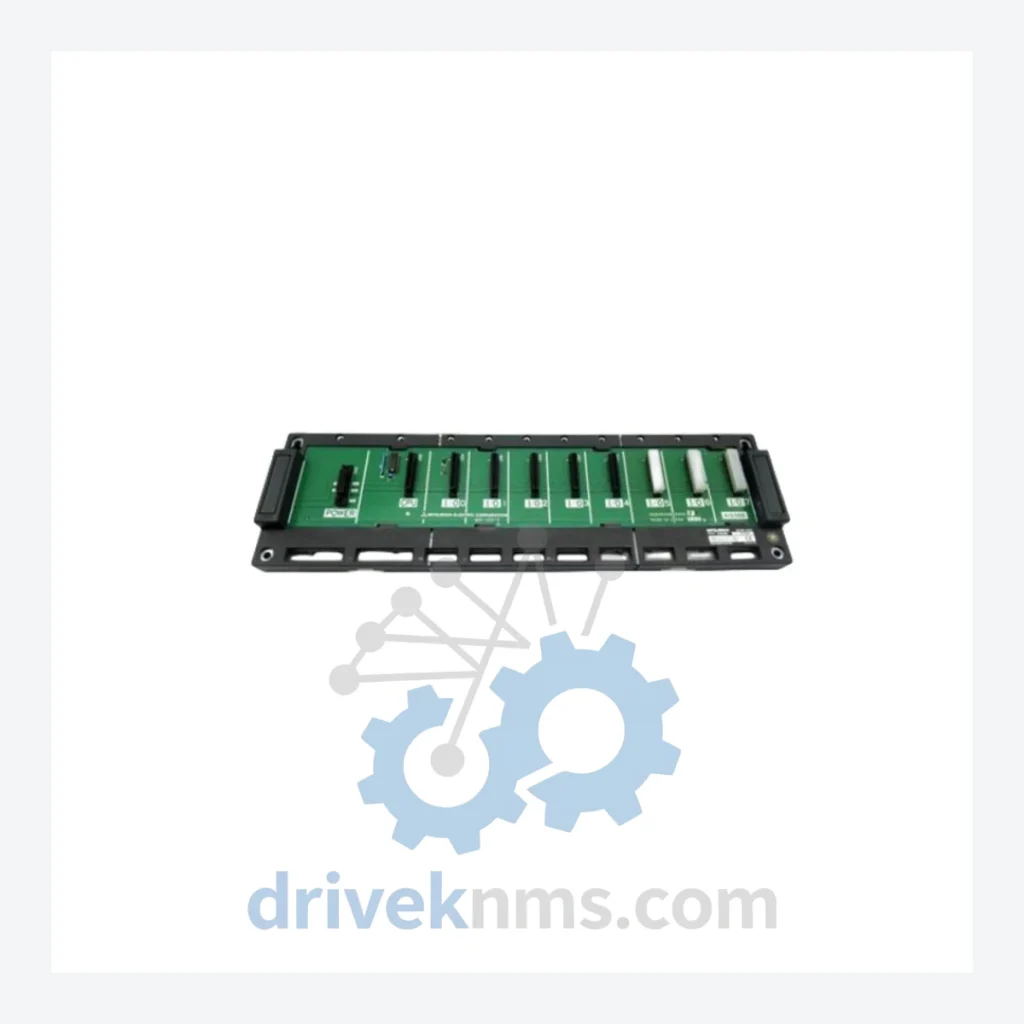
Product Overview
Commercial availability is handled through direct RFQ, model verification and export-oriented follow-up rather than public cart checkout.
Datasheet Preview
Use attached product manuals when available. If the manual is not public yet, request the full file directly through RFQ.
Commercial Path
Product pages on DRIVEKNMS are designed to verify model, brand and series first, then move the buyer into one clean quotation path.
Technical Dossier
RFQ support for obsolete parts: Send the model number, required quantity and destination so DriveKNMS can confirm sourcing options before quotation.
Q: How are RFQ terms confirmed?
A: Quantity, required condition, documentation needs, destination and sourcing route are confirmed during RFQ review before quotation.
The Fisher 38B5786X052 Base Unit Rack is a structural and electrical backbone component within its host control system. Unlike field instruments or transmitters that can often be substituted with modern equivalents, a rack-level chassis component carries fixed backplane wiring, module slot assignments, and power distribution architecture that are specific to the original system design. There is no modern drop-in equivalent that does not require re-engineering the entire I/O and communication layer.
Plants operating legacy Fisher DCS installations face a hard reality: the original equipment manufacturer no longer supports this hardware generation, and the secondary market supply of components like the 38B5786X052 is finite and shrinking. Every unit that fails without a spare in place moves the plant one step closer to a forced, unplanned system replacement — executed under production pressure rather than on a planned capital budget cycle.
How to Extend Your Automation Asset Life by 5–10 Years Without a Full System Replacement
For plant management facing pressure to retire aging DCS infrastructure, the following strategy has been applied successfully across process industries to defer capital expenditure while maintaining system reliability:
2. Condition-Based Monitoring: Implement periodic inspection cycles for rack-mounted hardware. Electrolytic capacitor degradation, backplane connector oxidation, and power rail voltage drift are the primary failure modes in legacy rack systems. Early detection allows planned replacement rather than emergency response.
3. Firmware and Configuration Archiving: Ensure all firmware versions, configuration files, and calibration records for rack-resident modules are archived offline. In the event of a hardware swap, having verified configuration data eliminates the risk of re-commissioning errors.
4. Vendor-Managed Spare Pooling: For multi-site operations running the same DCS platform, consolidate spare part procurement across sites. A single 38B5786X052 unit held centrally can serve multiple facilities, reducing total inventory cost while maintaining coverage.
This approach consistently delivers 5 to 10 additional years of reliable operation from legacy DCS infrastructure, at a total cost that is 10% to 20% of a full system replacement program.
DriveKNMS applies a structured 5-step quality verification process to all discontinued rack components before dispatch review:
Step 1 – Visual and Mechanical Inspection: Full external inspection for physical damage, corrosion on connector pins and backplane contacts, and structural integrity of the rack frame and mounting hardware.
Step 2 – Electrolytic Capacitor Assessment: Capacitor aging is the primary failure mode in legacy rack power distribution hardware. Each unit is assessed for capacitor bulging, leakage, and ESR deviation. Units with degraded capacitors are either recapped with specification-matched components or rejected from inventory.
Step 3 – Firmware and Configuration Verification: Where applicable, resident firmware versions are confirmed against known-good reference data. No firmware modifications are made without explicit customer authorization.
Step 5 – Functional Verification: Units are powered and functionally tested where test infrastructure permits. Test results and observed condition are documented and provided to the customer upon request.
Drop-in Replacement: The Fisher 38B5786X052 is a direct hardware replacement for the original installed unit. No backplane rewiring, no I/O remapping, and no control system reprogramming are required. The replacement unit slots into the existing rack position and restores system operation without engineering intervention.
No Reprogramming Required: Because this is a rack chassis component rather than a programmable module, there is no firmware to reload and no configuration to restore at the rack level. Module configuration is retained in the individual cards installed in the rack, not in the chassis itself.
Long-Term Storage Compatible: Units supplied by DriveKNMS are packaged for long-term storage using anti-static and moisture-barrier packaging. Properly stored, the unit maintains its serviceable condition for 5 to 10 years, providing a long-duration insurance policy against future hardware failure.
Q: How is condition confirmed before quotation?
A: Available condition, photos, test records and documentation are checked according to the requested model and sourcing channel before a formal RFQ response.
Q: Can you support multi-unit or repeat RFQ requests?
A: Yes. Send the model list, target quantity and destination so DRIVEKNMS can review sourcing options and quote the requirement as a project RFQ.
Continue The Model Path
Move from this exact model into the matching system hub, brand archive, model-family archive or lifecycle sourcing route before sending a final RFQ list.
Related Paths
Fisher CL6741 is listed for DCS Cards RFQ review. Confirm quantity, condition and destination before quotation.
Fisher 01984-4080-0001 is listed for DeltaV RFQ review. Confirm quantity, condition and destination before quotation.
Fisher CL6821X1-A5 41B5222X422 is listed for Servo Drives RFQ review. Confirm quantity, condition and destination before quotation.