
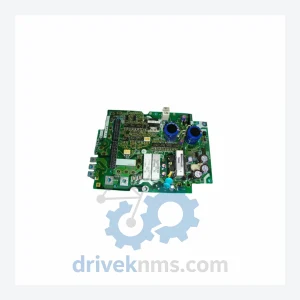
Fuji Electric G11-PPCB-4-1.5 SA528530-06 Power PCB
Fuji Electric G11-PPCB-4-1.5 SA528530-06 is listed for Monitoring Systems RFQ review. Confirm quantity, condition and destination before quotation.
RFQ-ready industrial model
Model: Z-312J
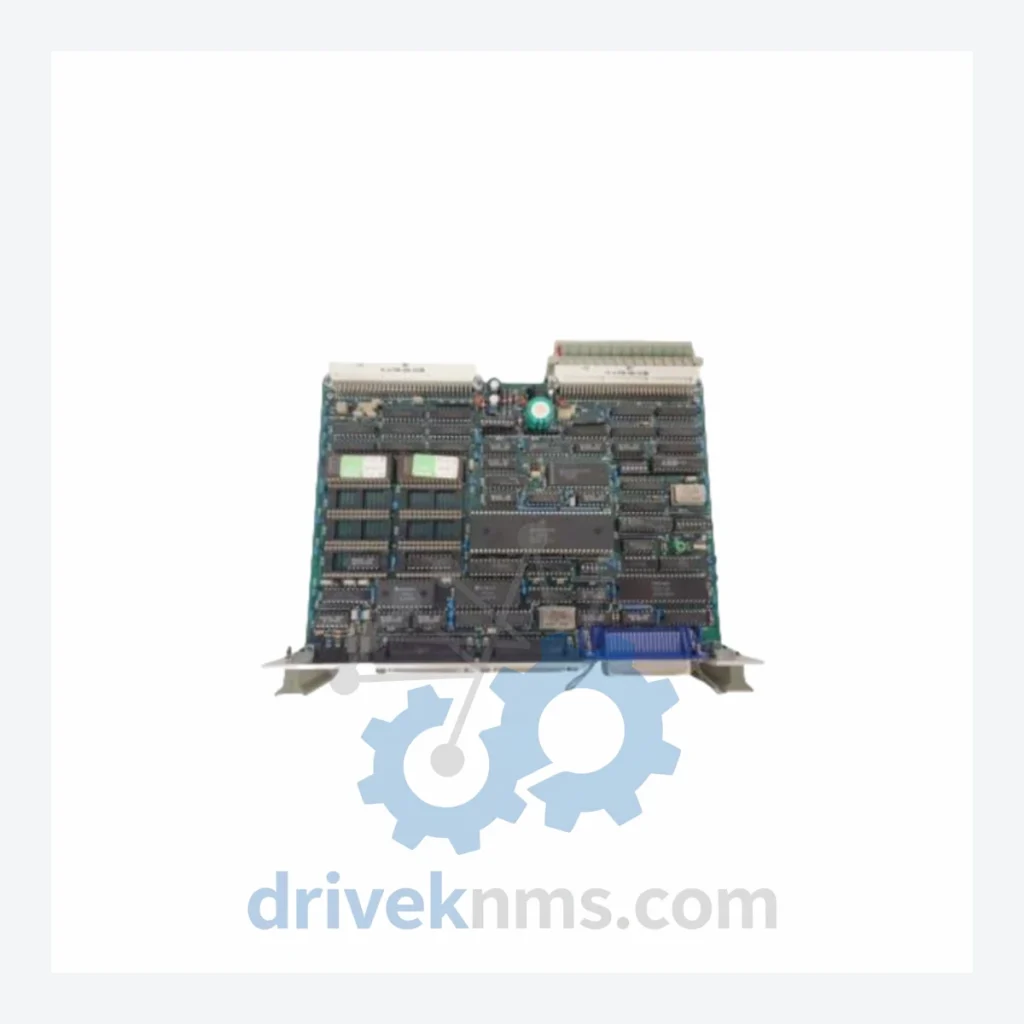
Product Overview
Commercial availability is handled through direct RFQ, model verification and export-oriented follow-up rather than public cart checkout.
Datasheet Preview
Use attached product manuals when available. If the manual is not public yet, request the full file directly through RFQ.
Commercial Path
Product pages on DRIVEKNMS are designed to verify model, brand and series first, then move the buyer into one clean quotation path.
Technical Dossier
The SHARP Z platform was introduced by FUJI Electric as a successor to earlier relay-logic and first-generation PLC installations in Japanese industrial facilities. The initial architecture centered on a fixed-scan CPU with parallel I/O polling, operating over a proprietary backplane bus at TTL logic levels. As the platform matured through successive hardware revisions, FUJI introduced enhanced CPU modules with expanded program memory, floating-point arithmetic support, and structured text compatibility aligned with IEC 61131-3 language standards.
Mid-generation revisions addressed field-reported issues with backplane connector wear under high-vibration conditions, introducing gold-contact edge connectors on I/O modules and revised locking mechanisms on power supply units. Communication capabilities expanded from RS-232C point-to-point links to multi-drop RS-485 and eventually FUJI's proprietary T-Link network, enabling peer-to-peer data exchange between SHARP Z racks without host CPU arbitration.
Compatibility across hardware generations is constrained by backplane bus voltage and slot-addressing schemes. Early-generation I/O modules (Z-3xx series) are not electrically compatible with later Z-4xx backplanes without adapter hardware. Engineers managing mixed-generation installations must verify module revision codes stamped on the PCB edge label, as catalog numbers alone do not distinguish between incompatible hardware revisions. The SHARP Z platform is now classified by FUJI Electric as a mature/end-of-active-production series; replacement recommendations point toward the FUJI MICREX-SX and MICREX-F series for new installations, while the SHARP Z remains supported through authorized spare parts channels for existing plant assets.
CPU & Controller Modules
Digital Input (DI) Modules
Digital Output (DO) Modules
Analog I/O Modules
Communication & Network Modules
Power Supply Modules
SHARP Z modules present specific test challenges due to the proprietary backplane bus protocol and the age-related degradation patterns common in long-installed industrial electronics. DriveKNMS applies the following verification procedures to all SHARP Z inventory:
Backplane Bus Integrity Test: Each module is seated in a SHARP Z test rack and subjected to full backplane communication cycling. CPU modules are verified for correct slot-addressing response and data register read/write integrity across the full address range.
I/O Channel Functional Test: Digital I/O modules are tested channel-by-channel using calibrated signal sources and load banks. Analog modules are verified for linearity, offset error, and gain accuracy against the published specification tolerance (typically ±0.5% full scale).
Visual and Component Inspection: All boards undergo magnified visual inspection for cracked solder joints, corroded traces, swollen electrolytic capacitors, and damaged connector pins — failure modes statistically elevated in modules with 10+ years of field service.
Continue The Model Path
Move from this exact model into the matching system hub, brand archive, model-family archive or lifecycle sourcing route before sending a final RFQ list.
Related Paths
Fuji Electric G11-PPCB-4-1.5 SA528530-06 is listed for Monitoring Systems RFQ review. Confirm quantity, condition and destination before quotation.
Fuji Electric EP-3531D C1-Z1 is listed for FRN Series RFQ review. Confirm quantity, condition and destination before quotation.
Fuji Electric EP-3603D-C is listed for EP3000 Series RFQ review. Confirm quantity, condition and destination before quotation.