
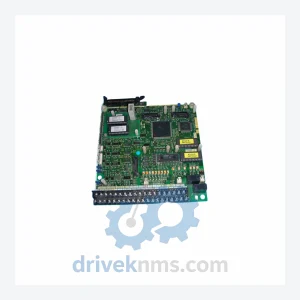
FUJI EP Series Modules EP-3429-C6-Z2
Fuji Electric EP-3429-C6-Z2 is listed for FUJI EP Series RFQ review. Confirm quantity, condition and destination before quotation.
RFQ-ready industrial model
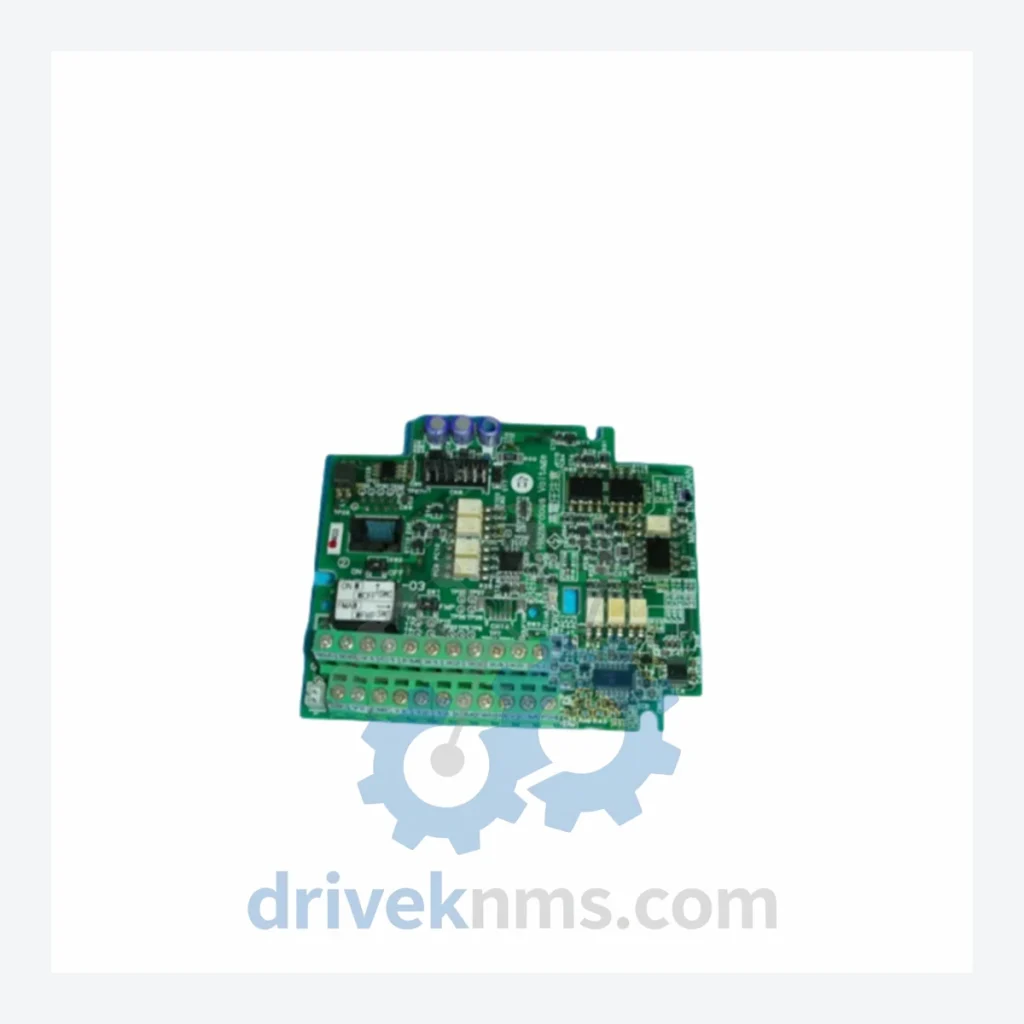
Model: SA531121-02 E11-C4PCB
Product Overview
Commercial availability is handled through direct RFQ, model verification and export-oriented follow-up rather than public cart checkout.
Datasheet Preview
Use attached product manuals when available. If the manual is not public yet, request the full file directly through RFQ.
Commercial Path
Product pages on DRIVEKNMS are designed to verify model, brand and series first, then move the buyer into one clean quotation path.
Technical Dossier
DriveKNMS reviews sourcing status and documentation for this model during RFQ handling before quotation.
RFQ support for obsolete parts: Send the model number, required quantity and destination so DriveKNMS can confirm sourcing options before quotation.
Note: Electrical parameters such as voltage ratings, current capacity, and communication protocol specifics vary by host drive model. Confirm compatibility with your drive's nameplate data before ordering. DriveKNMS technical staff can assist with cross-referencing.
FUJI Electric's FRENIC and FALDIC drive families were deployed extensively across Asian and European manufacturing facilities throughout the 1990s and 2000s. Many of these systems remain embedded in production infrastructure that was never designed for easy replacement — custom motor tuning parameters, proprietary communication buses, and mechanical integration that makes a like-for-like swap with a modern drive a multi-week engineering project rather than a maintenance task.
The SA531121-02 E11-C4PCB sits at the heart of the drive's control architecture. It handles gate signal generation, feedback processing, and in many configurations, the communication interface to the host PLC or DCS. When this board degrades — through capacitor aging, thermal cycling fatigue, or environmental contamination — the drive may exhibit erratic speed control, fault codes with no clear cause, or complete failure to start.
Replacing this board with an original-specification unit is the only path that avoids reprogramming the host controller, recalibrating the motor parameters, and revalidating the process. For a plant manager facing a board failure on a Friday afternoon, the availability of this part is the difference between a weekend repair and a two-week production disruption.
Asset Life Extension Strategy: How to Keep Legacy FUJI Drive Systems Running for 5–10 More Years
For facilities where a full drive system replacement is not budgeted or operationally feasible in the near term, the following maintenance posture has proven effective in extending asset life by five to ten years:
2. Implement a scheduled capacitor audit. Electrolytic capacitors on drive control boards have a finite service life, typically 10–15 years under normal operating conditions. Proactive identification and replacement of aging capacitors — before they fail — is far less disruptive than an emergency board swap.
4. Control the operating environment. Excessive ambient temperature and humidity are the primary accelerants of PCB degradation. Ensuring adequate enclosure ventilation and periodic cleaning of heat sinks and fans directly extends board service life.
5. Engage a specialist supplier for technical cross-referencing. Not all SA531121-02 boards in the secondary market are equivalent. Revision levels and sub-variants exist. A supplier with technical depth — not just a parts broker — can confirm compatibility before dispatch review.
Every SA531121-02 E11-C4PCB unit supplied by DriveKNMS passes a structured five-stage inspection protocol before dispatch:
Stage 1 – Visual and Mechanical Inspection: Full PCB surface examination for physical damage, burn marks, cracked solder joints, and component displacement.
Stage 2 – Electrolytic Capacitor Assessment: Capacitors are individually tested for capacitance value and ESR (equivalent series resistance). Units showing degradation beyond acceptable tolerance are flagged and either replaced or the board is downgraded.
Stage 3 – Pin and Connector Integrity Check: All edge connectors and pin headers are inspected for corrosion, oxidation, and mechanical deformation. Contact surfaces are cleaned where required.
Stage 4 – Firmware and Label Verification: Where accessible, firmware version markings and board revision labels are documented and cross-referenced against known compatible configurations.
Stage 5 – Functional Bench Test (where applicable): Boards are powered and tested in a controlled bench environment using compatible drive hardware where test fixtures are available.
Boards that do not pass all applicable stages are not offered for sale.
Drop-in replacement: The SA531121-02 E11-C4PCB is a direct board-level replacement for the original. No modification to the drive chassis, wiring harness, or motor parameters is required in standard applications.
No reprogramming required: Drive parameters are stored in the host drive's memory, not on this board. A board swap does not erase existing parameter sets in standard FUJI drive architectures (verify with your specific drive model).
Avoids engineering reconstruction costs: Sourcing this board eliminates the need to engage a systems integrator for drive replacement, motor re-tuning, PLC interface reconfiguration, and process revalidation — costs that routinely exceed the value of the original drive system many times over.
Q: How do I know the board is genuine and not counterfeit?
A: All units are sourced through verified industrial channels and inspected against known-good reference units. We document board markings, revision labels, and component configurations. We do not source from unverified online marketplaces.
Q: Can you confirm compatibility with my specific drive model before I order?
A: Yes. Provide your drive's full model number and nameplate data, and our technical team will confirm compatibility before you commit to a purchase.
Continue The Model Path
Move from this exact model into the matching system hub, brand archive, model-family archive or lifecycle sourcing route before sending a final RFQ list.
Related Paths
Fuji Electric EP-3429-C6-Z2 is listed for FUJI EP Series RFQ review. Confirm quantity, condition and destination before quotation.
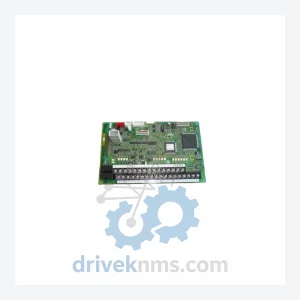
Fuji Electric EP-3364B-CA-Z2 is listed for FRENIC Series RFQ review. Confirm quantity, condition and destination before quotation.
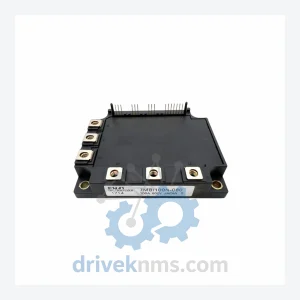
Fuji Electric 7MBI100N-060 is listed for Servo Drives RFQ review. Confirm quantity, condition and destination before quotation.