
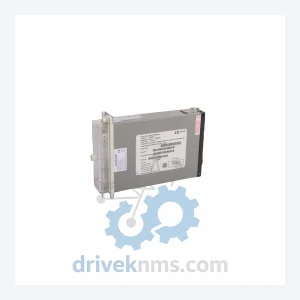
ALSTOM MVAJ105RA0802A Protection Relay – MiCOM Series
Alstom MVAJ105RA0802A is listed for MiCOM Series RFQ review. Confirm quantity, condition and destination before quotation.
RFQ-ready industrial model
Model: (52 FT) 1886-455368-11 716-140139-313 2800/3000 156403 17E181W412G1
Product Overview
Commercial availability is handled through direct RFQ, model verification and export-oriented follow-up rather than public cart checkout.
Datasheet Preview
Use attached product manuals when available. If the manual is not public yet, request the full file directly through RFQ.
Commercial Path
Product pages on DRIVEKNMS are designed to verify model, brand and series first, then move the buyer into one clean quotation path.
Technical Dossier
DriveKNMS maintains RFQ-reviewed sourcing status of this assembly. Procurement teams and plant engineers who have spent months chasing this part through distribution channels will find no substitutes here — only the original-specification component.
RFQ support for obsolete parts: Send the model number, required quantity and destination so DriveKNMS can confirm sourcing options before quotation.
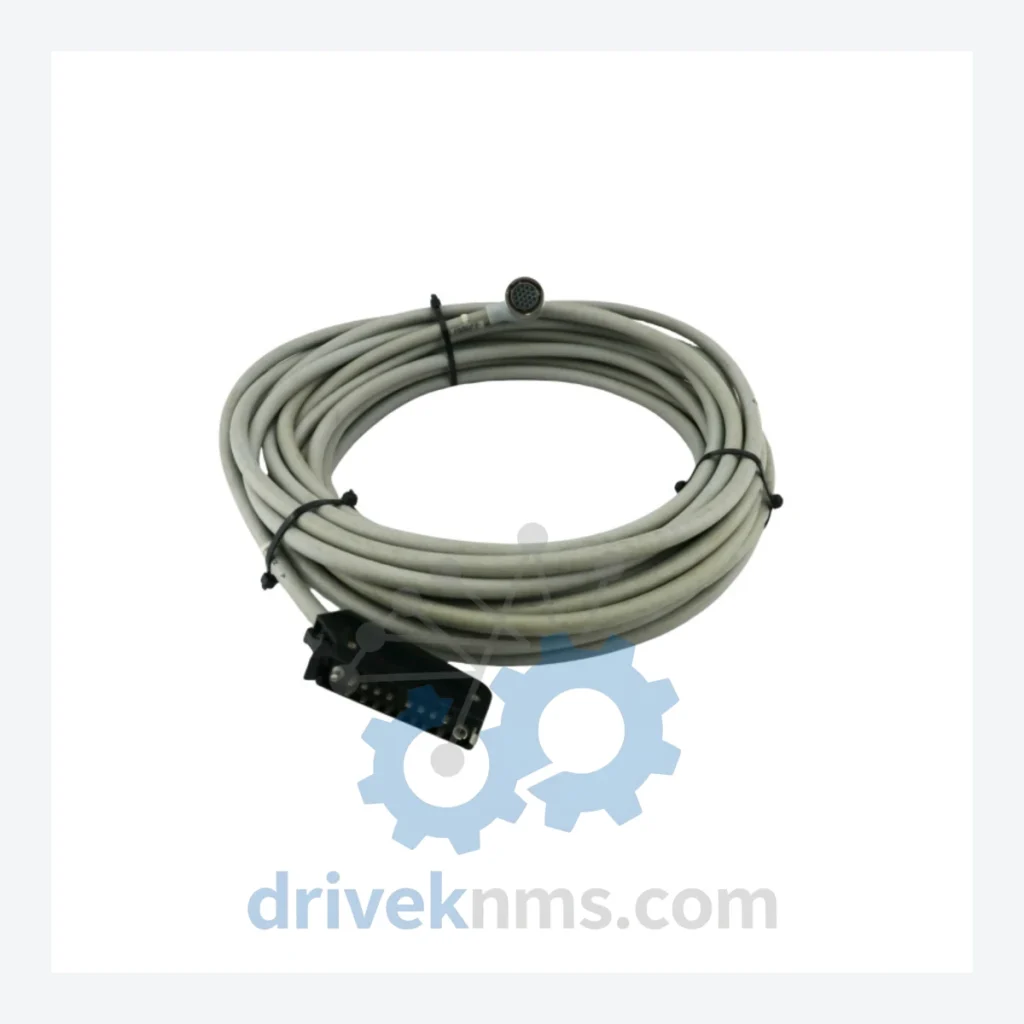
RF coaxial cable assemblies of this specification were designed into telecom base station infrastructure, wireless backhaul nodes, and RF signal distribution frames during a period when Fujikura held significant market share in precision cable assembly. Systems built to these specifications — particularly those referencing the 2800 and 3000 series platform interfaces — were engineered for 15–20 year operational lifespans. The problem is that the cable assemblies themselves, subject to mechanical stress, connector wear, and environmental degradation, fail well before the host system reaches end-of-life.
When the 1886-455368-11 is no longer available through standard channels, the decision facing plant management is binary: locate the original-specification part, or commit to a platform migration that touches every layer of the RF architecture. Migration projects of this scope routinely require 12–24 months of engineering time, carry significant risk of signal performance regression, and demand capital expenditure that was not budgeted. The math is straightforward. A verified spare assembly, even at a premium price, costs a fraction of what a forced migration demands.
Every unit of the 1886-455368-11 processed through DriveKNMS undergoes a structured 5-step inspection protocol before it is offered for sale:
Condition grade and test results are documented and provided with each shipment on request.
How do I confirm the unit is genuine and not a counterfeit?
Each unit is inspected against original Fujikura part markings and documentation. We provide a condition report and, where available, original packaging or manufacturer labeling. We do not sell units that cannot be positively identified against the original part number.
Should I purchase more than one unit?
For any system where this assembly is a single point of failure, holding a minimum of one spare unit on-site is the standard recommendation. For multi-site operations or systems with multiple RF paths using this assembly, a buffer of two to three units is a defensible procurement position. The cost of a second unit is negligible relative to the cost of an unplanned outage while emergency procurement is underway.
Continue The Model Path
Move from this exact model into the matching system hub, brand archive, model-family archive or lifecycle sourcing route before sending a final RFQ list.
Related Paths
Alstom MVAJ105RA0802A is listed for MiCOM Series RFQ review. Confirm quantity, condition and destination before quotation.
Moore 16137-174 is listed for Servo Drives RFQ review. Confirm quantity, condition and destination before quotation.
Fuji Electric EP-3364B-CA-Z2 is listed for FRENIC Series RFQ review. Confirm quantity, condition and destination before quotation.