
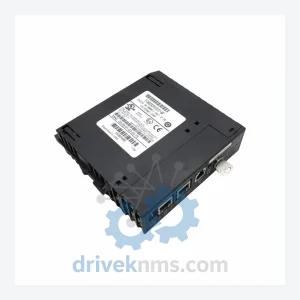
GE Fanuc Series 90-70 Modules – IC697CHS783E Power Supply
GE Fanuc FANUC IC697CHS783E is listed for Series 90-70 RFQ review. Confirm quantity, condition and destination before quotation.
RFQ-ready industrial model
Model: 8021-CE-LH
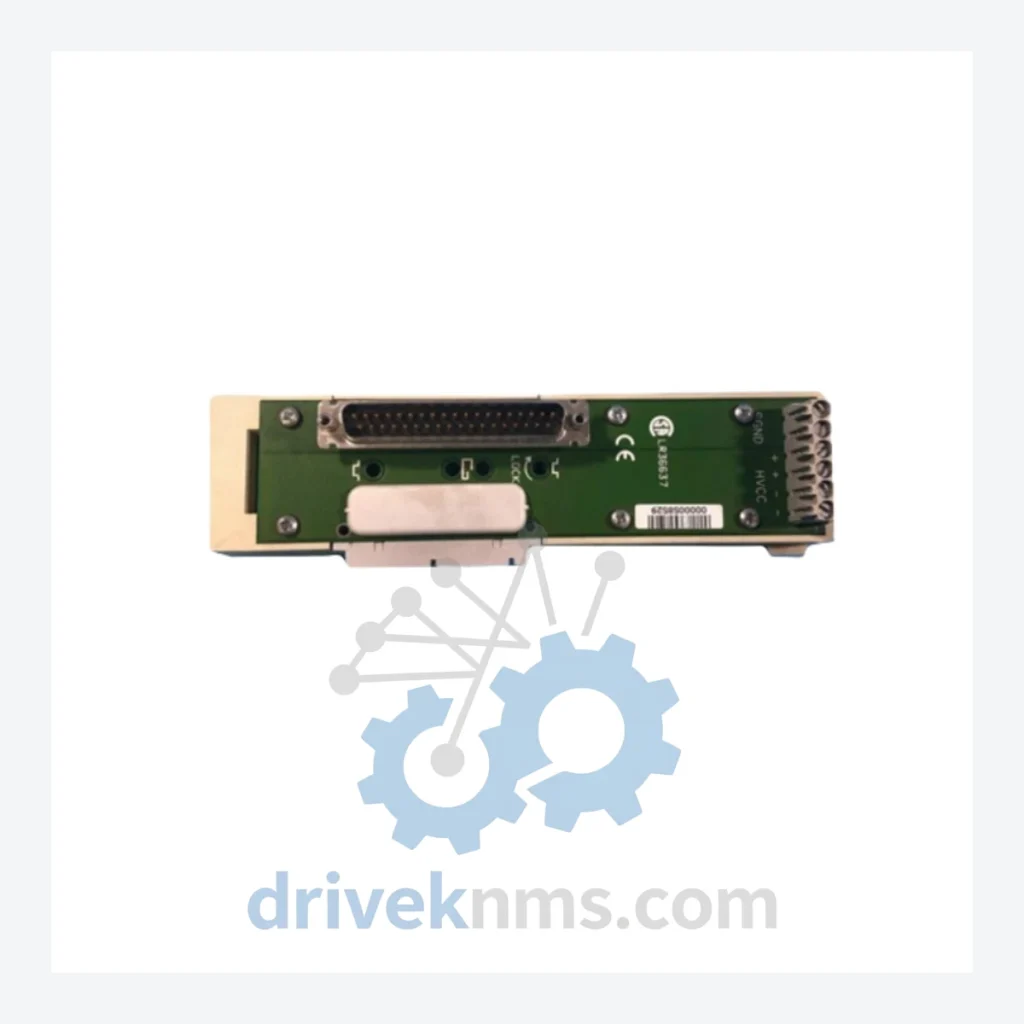
Product Overview
Commercial availability is handled through direct RFQ, model verification and export-oriented follow-up rather than public cart checkout.
Datasheet Preview
Use attached product manuals when available. If the manual is not public yet, request the full file directly through RFQ.
Commercial Path
Product pages on DRIVEKNMS are designed to verify model, brand and series first, then move the buyer into one clean quotation path.
Technical Dossier
The Series 90-70 platform was introduced by GE Fanuc Automation in the early 1990s as a successor to the Series Six and Series Five PLC families. Its architecture was built around a VMEbus-compatible backplane, supporting up to 21 modules per rack when using carrier extender configurations such as the 8021-CE-LH. The platform introduced a standardized I/O bus that allowed mixed analog, digital, and specialty modules within a single rack — a significant advancement over earlier fixed-function architectures.
Over successive hardware generations, GE Fanuc introduced enhanced CPU modules with expanded memory (from 32KB to 512KB and beyond), faster scan times, and Ethernet-native communication options. The transition from the IC697 module prefix (standard I/O) to the IC693 (Series 90-30 crossover) and the eventual introduction of the PACSystems RX7i platform represented the architectural evolution path. The RX7i was designed as a backward-compatible successor, capable of accepting Series 90-70 I/O modules in a hybrid rack configuration, which significantly extended the operational lifespan of existing 90-70 I/O investments. Sites that migrated CPUs to RX7i while retaining 90-70 I/O modules represent the dominant installed base requiring ongoing spare parts support today.
Carrier Extenders & Rack Infrastructure
CPU Modules
Digital Input (DI) Modules
Digital Output (DO) Modules
Analog Input (AI) Modules
Analog Output (AO) Modules
Communication & Network Adapters
Power Supply Modules
The Series 90-70 VMEbus backplane architecture presents specific test challenges due to its parallel bus topology and the interdependency between rack, carrier extender, and module firmware. DriveKNMS applies a structured test protocol for all Series 90-70 modules:
Continue The Model Path
Move from this exact model into the matching system hub, brand archive, model-family archive or lifecycle sourcing route before sending a final RFQ list.
Related Paths
GE Fanuc FANUC IC697CHS783E is listed for Series 90-70 RFQ review. Confirm quantity, condition and destination before quotation.
GE Fanuc FANUC IC697CHS791J is listed for Series 90-70 RFQ review. Confirm quantity, condition and destination before quotation.
GE Fanuc FANUC IC697BEM733 is listed for Series 90-70 RFQ review. Confirm quantity, condition and destination before quotation.