
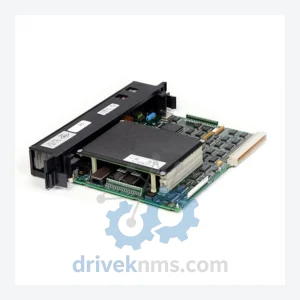
GE IC697CPU772 CPU Module – Obsolete Series 90-70 Spare Part
GE Automation IC697CPU772 is listed for Series 90-70 RFQ review. Confirm quantity, condition and destination before quotation.
RFQ-ready industrial model
Model: 8421-CC-PS
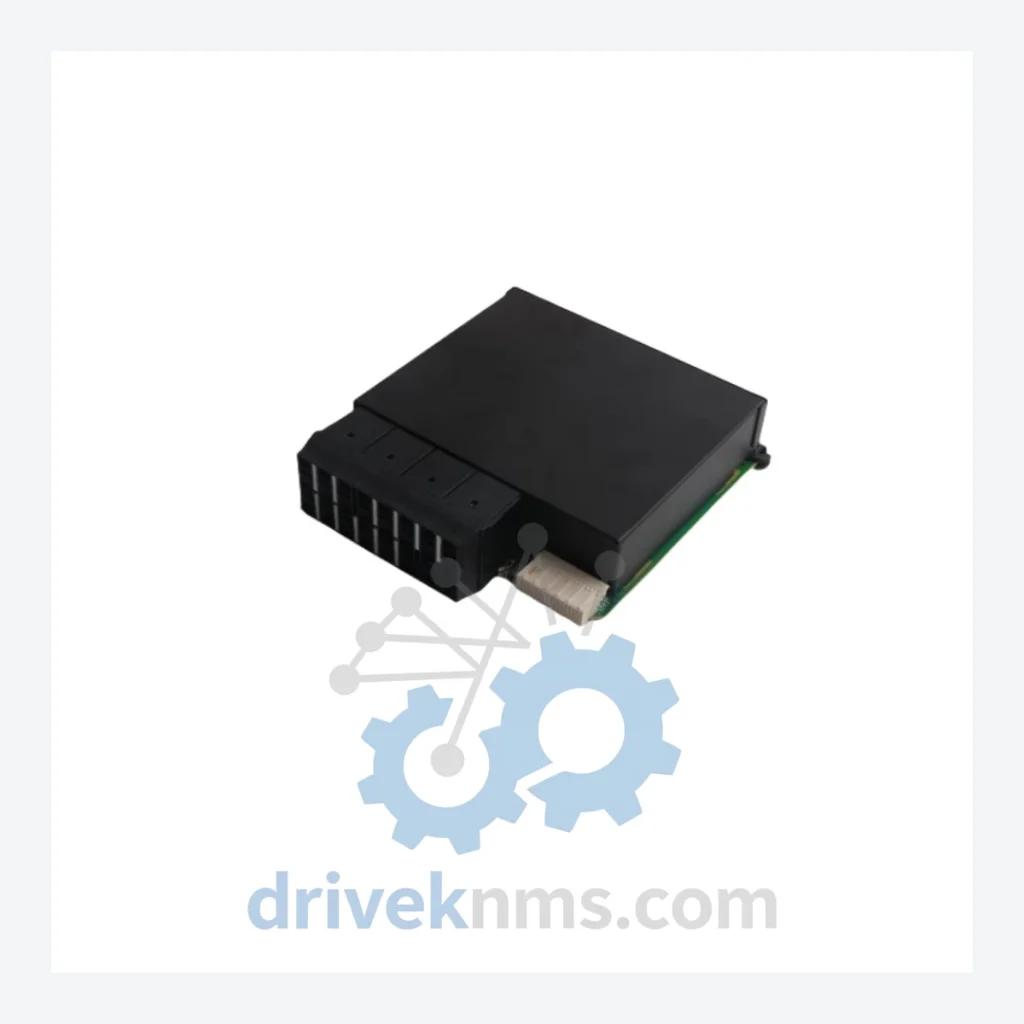
Product Overview
Commercial availability is handled through direct RFQ, model verification and export-oriented follow-up rather than public cart checkout.
Datasheet Preview
Use attached product manuals when available. If the manual is not public yet, request the full file directly through RFQ.
Commercial Path
Product pages on DRIVEKNMS are designed to verify model, brand and series first, then move the buyer into one clean quotation path.
Technical Dossier
RFQ support for obsolete parts: Send the model number, required quantity and destination so DriveKNMS can confirm sourcing options before quotation.
| Parameter | Detail |
|---|---|
| Part Number | 8421-CC-PS |
| Manufacturer | GE Automation (formerly GE Fanuc) |
| Series | Series 90 |
| Module Category | PLC Module |
| Discontinuation Status | Discontinued / Obsolete – No longer in production |
| Country of Origin | United States |
| Compatible Systems | GE Series 90 PLC platforms |
Note: Electrical parameters are verified against physical units during QA inspection. Specifications not confirmed by physical testing are not published here to protect equipment safety.
The GE Series 90 PLC family was a dominant platform in process automation, discrete manufacturing, and utilities infrastructure throughout the 1990s and 2000s. Thousands of facilities worldwide built their control architecture around it. GE has since discontinued this product line, and OEM support has ended.
The operational reality for plant managers is this: the control logic, HMI configurations, field wiring, and process tuning built around a Series 90 system represent years of engineering investment. Replacing the PLC platform means replacing that entire layer — not just the hardware. A single failed module like the 8421-CC-PS, left unaddressed, can force a facility into a full migration it was not budgeted or staffed to execute.
Maintaining a verified spare of the 8421-CC-PS on the shelf is the lowest-cost insurance policy available against that outcome. It extends the operational life of the existing system by years, preserves the embedded engineering value, and keeps the migration decision on the facility's own timeline rather than the failure's timeline.
For facilities operating GE Series 90 systems, the strategic question is not whether to eventually migrate — it is whether to migrate on an emergency basis at maximum cost, or on a planned basis at controlled cost. A stocked spare buys the time to choose the latter.
Sourcing obsolete industrial hardware carries real risk. DriveKNMS applies a 5-step inspection protocol to every legacy module before it is offered for sale:
Industrial automation assets — PLCs, drives, DCS nodes — have a functional lifespan that extends well beyond the manufacturer's support window when maintained correctly. The GE Series 90 platform is a documented example: facilities that proactively stocked critical spares in the early 2010s are still running these systems productively today, more than a decade after discontinuation.
The alternative — waiting for a failure before sourcing a replacement — places the facility at the mercy of the secondary market at the moment of maximum urgency, when prices are highest and verification time is shortest.
How do I know the unit is genuine and not counterfeit?
All units sourced by DriveKNMS are inspected for label authenticity, PCB markings, and construction consistency with known genuine GE hardware. Units that do not pass authenticity inspection are not offered for sale.
Can I order multiple units for long-term spares storage?
Yes. DriveKNMS supports bulk spare procurement for facilities building a long-term maintenance inventory. Contact us to discuss quantity availability and storage recommendations.
Is this a new or refurbished unit?
Unit condition (new surplus, tested refurbished, or pull) is disclosed at the time of inquiry. All conditions are subject to the same 5-step QA process described above.
Continue The Model Path
Move from this exact model into the matching system hub, brand archive, model-family archive or lifecycle sourcing route before sending a final RFQ list.
Related Paths
GE Automation IC697CPU772 is listed for Series 90-70 RFQ review. Confirm quantity, condition and destination before quotation.
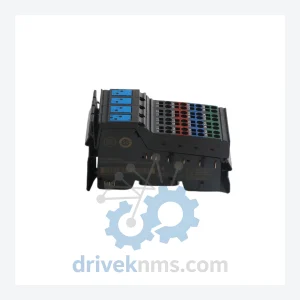
GE Automation IC220MDL643 is listed for Versamax RFQ review. Confirm quantity, condition and destination before quotation.
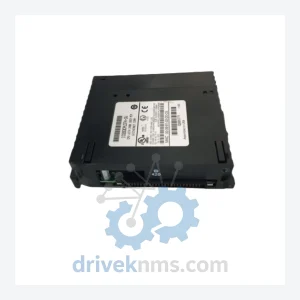
GE Automation IC693CPU374 is listed for Series 90-30 RFQ review. Confirm quantity, condition and destination before quotation.