
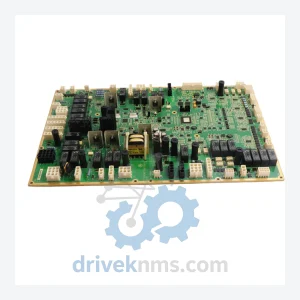
GE IS200WETBH1BAA Elevator Control Board – Obsolete Speedtronic Spare Part
General Electric IS200WETBH1BAA is listed for Speedtronic RFQ review. Confirm quantity, condition and destination before quotation.
RFQ-ready industrial model
Model: 9292286-01 L-400028
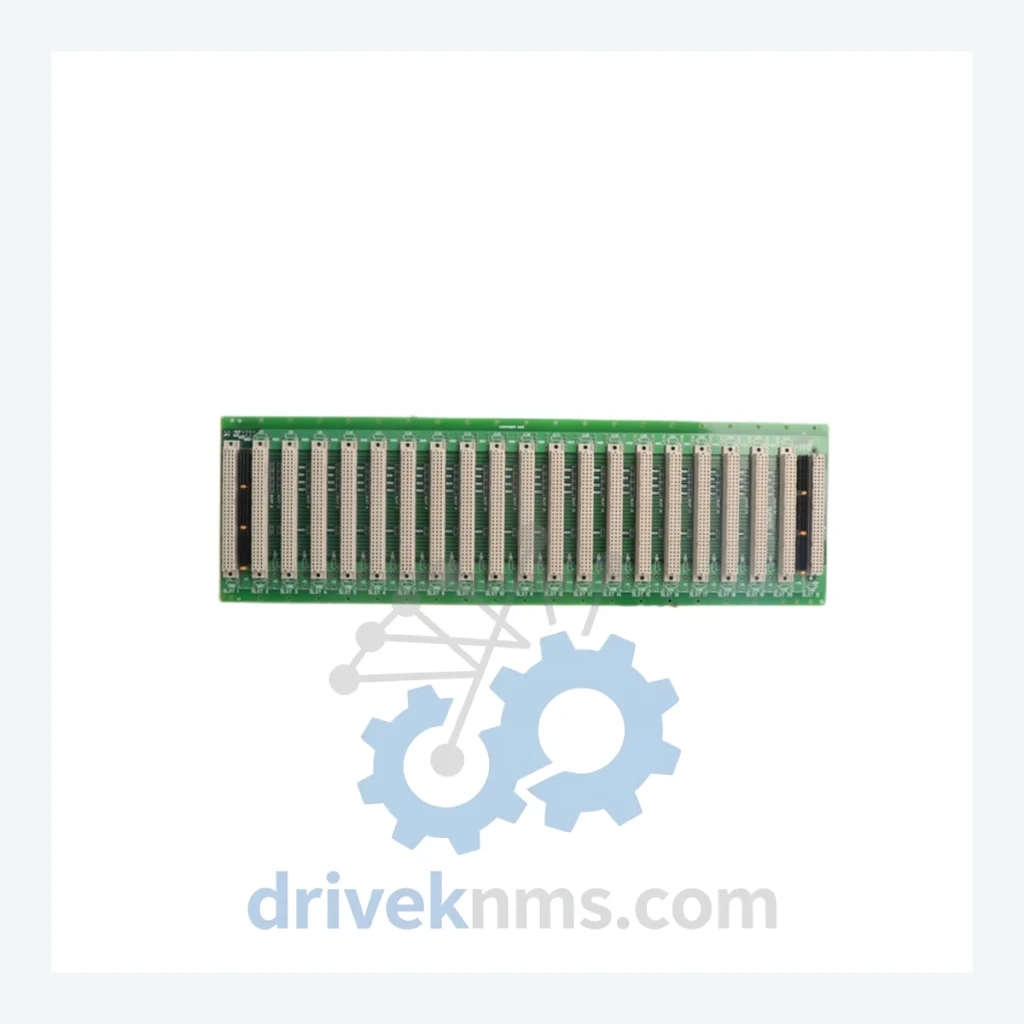
Product Overview
Commercial availability is handled through direct RFQ, model verification and export-oriented follow-up rather than public cart checkout.
Datasheet Preview
Use attached product manuals when available. If the manual is not public yet, request the full file directly through RFQ.
Commercial Path
Product pages on DRIVEKNMS are designed to verify model, brand and series first, then move the buyer into one clean quotation path.
Technical Dossier
The GE Mark V Turbine Control System is one of the most widely deployed distributed control architectures in heavy industrial environments globally. Installed across gas turbine power plants, combined-cycle facilities, petrochemical complexes, nuclear auxiliary systems, and offshore oil & gas platforms, the Mark V represents GE's fifth-generation turbine control platform. Its triple-redundant architecture (TMR — Triple Modular Redundancy) made it the de facto standard for critical rotating equipment protection from the late 1980s through the 2000s. Thousands of units remain in active service worldwide, making spare parts availability a primary operational concern for plant engineers and reliability teams.
GE's turbine control lineage progressed through Mark I → Mark II → Mark IV → Mark V → Mark VI → Mark VIe. The Mark V, introduced circa 1988, replaced the relay-logic Mark IV with a fully digital, microprocessor-based platform. Its core innovation was the TMR control architecture: three independent control processors (, , ) vote on every output signal, providing fault tolerance without process interruption.
Key architectural milestones:
Compatibility note: Mark V hardware is not directly interchangeable with Mark VI or Mark VIe. Backplane connectors, communication protocols (IONET vs. ARCNET vs. Ethernet), and firmware are generation-specific. Always verify the exact board revision and firmware version before substitution.
The following SKUs represent verified, commonly stocked Mark V components. Each entry reflects the board's primary functional role within the TMR or simplex control architecture.
Controllers & Processor Boards
Analog & Digital I/O Modules
Power Supply Modules
Communication & Network Adapters
Current Product (This Listing)
GE ceased Mark V hardware manufacturing over two decades ago. The authorized GE service channel no longer stocks the majority of Mark V boards as new units. Plant operators face three sourcing options: (1) refurbished/tested surplus from specialized MRO distributors, (2) cannibalization from decommissioned sister units, or (3) full control system upgrade to Mark VI/VIe — a capital-intensive project typically requiring 12–24 months of engineering.
Mark V boards present specific test challenges due to their VME backplane architecture, ARCNET communication dependencies, and TMR voting logic. Standard bench power-up is insufficient to validate functional integrity. DriveKNMS applies the following protocol to all Mark V units prior to shipment:
Continue The Model Path
Move from this exact model into the matching system hub, brand archive, model-family archive or lifecycle sourcing route before sending a final RFQ list.
Related Paths
General Electric IS200WETBH1BAA is listed for Speedtronic RFQ review. Confirm quantity, condition and destination before quotation.
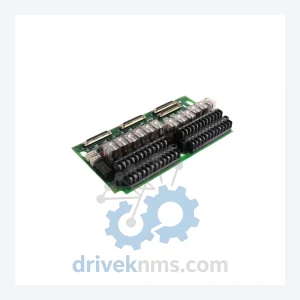
General Electric IS200TRLYH1BED IS200TRLYH1B is listed for Controller Cards RFQ review. Confirm quantity, condition and destination before quotation.
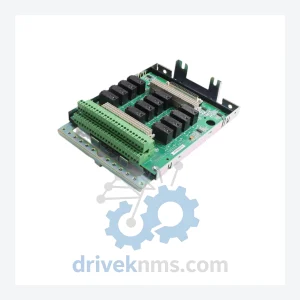
General Electric IS230SNRLH2A IS200SRLYH2AAA is listed for Controller Cards RFQ review. Confirm quantity, condition and destination before quotation.