
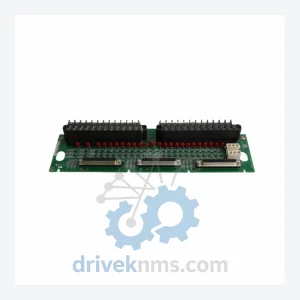
GE Fanuc IS200TBCIS2CCD I/O Terminal Board – Mark VI Redundant Control System
GE Fanuc IS200TBCIS2CCD is listed for Mark VI RFQ review. Confirm quantity, condition and destination before quotation.
RFQ-ready industrial model
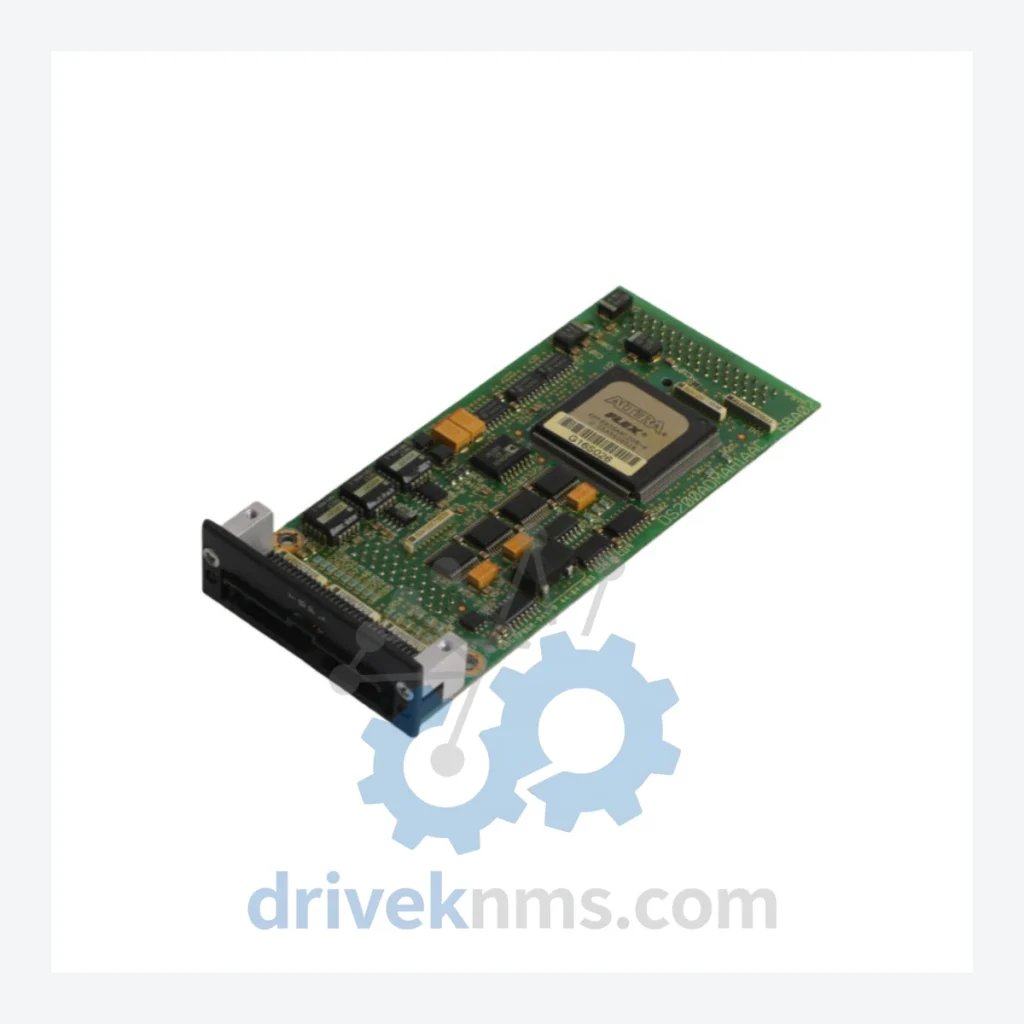
Model: DS200ADMAH1AAC
Product Overview
Commercial availability is handled through direct RFQ, model verification and export-oriented follow-up rather than public cart checkout.
Datasheet Preview
Use attached product manuals when available. If the manual is not public yet, request the full file directly through RFQ.
Commercial Path
Product pages on DRIVEKNMS are designed to verify model, brand and series first, then move the buyer into one clean quotation path.
Technical Dossier
RFQ support for obsolete parts: Send the model number, required quantity and destination so DriveKNMS can confirm sourcing options before quotation.
| Part Number | DS200ADMAH1AAC |
| Manufacturer | GE (General Electric) |
| Series | Mark VI Turbine Control System |
| Module Type | Analog Input Module |
| Country of Origin | United States |
| Product Status | Discontinued / Obsolete – No longer manufactured by GE |
| Compatible Systems | GE Mark VI, Mark VIe (legacy configurations) |
| Typical Application | Gas turbine, steam turbine, and combined-cycle plant control panels |
Note: Electrical parameters such as input voltage range, channel count, and signal type are not published here to prevent specification errors. Confirmed technical data is provided upon request with your system configuration details.
GE formally discontinued the Mark VI platform for new installations, but tens of thousands of Mark VI-based turbine control systems remain in active service globally. The DS200ADMAH1AAC is a core analog input board within that architecture. It handles real-time process signal acquisition — temperature, pressure, and flow inputs that feed directly into turbine protection and sequencing logic.
There is no drop-in OEM replacement available from GE. The manufacturer's recommended path is a full Mark VIe or Mark VIeS upgrade, a project that typically requires 18–36 months of planning, significant capital expenditure, and a planned outage window. For most plant operators running assets with 10–20 years of remaining service life, that investment cannot be justified on the basis of a single failed module.
Maintaining a verified spare of the DS200ADMAH1AAC is the operationally sound alternative. A single board held in climate-controlled storage represents a fraction of one day's lost generation cost. Plants that have adopted a structured legacy spare parts strategy consistently extend Mark VI system service life by 5 to 10 years beyond the OEM's support window — without compromising safety system integrity.
The practical framework for extending Mark VI asset life through spare parts management involves three disciplines: first, identifying the highest-failure-risk boards in your specific turbine configuration and securing at least one verified spare for each; second, establishing a documented inspection and storage protocol for held spares to prevent shelf degradation; third, maintaining a supplier relationship with a specialist distributor — not a general electronics broker — who can verify firmware revision compatibility before dispatch review. DS200ADMAH1AAC boards have shipped across multiple firmware revisions, and revision mismatches in a Mark VI rack can trigger protection trips or prevent the system from accepting the new board without engineering intervention.
Every DS200ADMAH1AAC unit processed by DriveKNMS passes a structured 5-step quality protocol before it is offered for sale:
Should I buy more than one unit?
For any Mark VI system where this board is installed in a critical protection or control path, holding a minimum of one cold spare is standard practice. For plants with multiple turbines sharing the same Mark VI architecture, a two-unit reserve is a defensible position given the sourcing difficulty of this part as remaining global inventory continues to decline.
Continue The Model Path
Move from this exact model into the matching system hub, brand archive, model-family archive or lifecycle sourcing route before sending a final RFQ list.
Related Paths
GE Fanuc IS200TBCIS2CCD is listed for Mark VI RFQ review. Confirm quantity, condition and destination before quotation.
General Electric DS200TBQDG1AFF is listed for Mark VI RFQ review. Confirm quantity, condition and destination before quotation.
General Electric DS200DTBDG1ABB is listed for Mark VI RFQ review. Confirm quantity, condition and destination before quotation.