
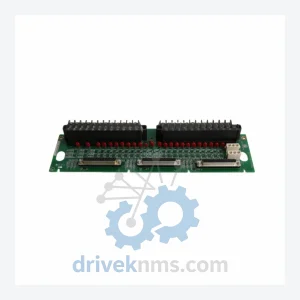
GE Fanuc IS200TBCIS2CCD I/O Terminal Board – Mark VI Redundant Control System
GE Fanuc IS200TBCIS2CCD is listed for Mark VI RFQ review. Confirm quantity, condition and destination before quotation.
RFQ-ready industrial model
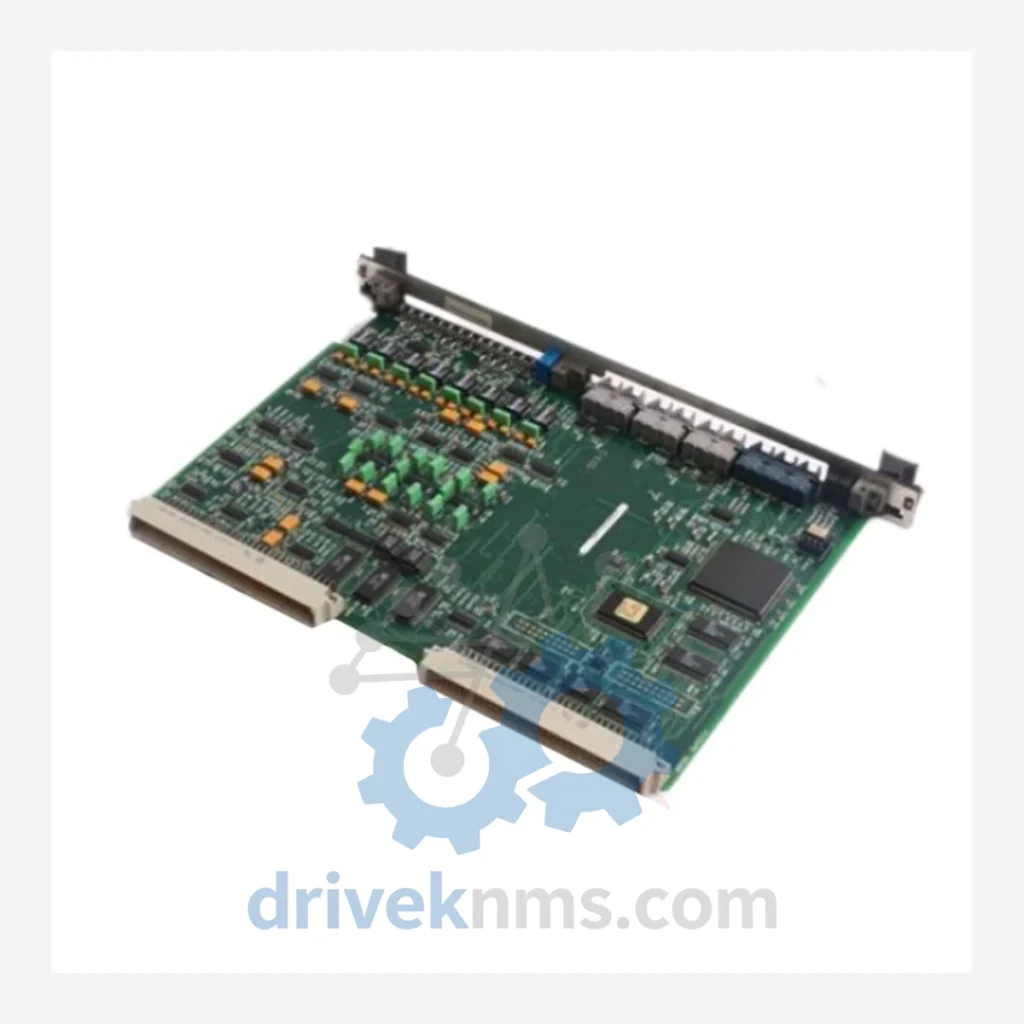
Model: DS200DMCBG1AJE
Product Overview
Commercial availability is handled through direct RFQ, model verification and export-oriented follow-up rather than public cart checkout.
Datasheet Preview
Use attached product manuals when available. If the manual is not public yet, request the full file directly through RFQ.
Commercial Path
Product pages on DRIVEKNMS are designed to verify model, brand and series first, then move the buyer into one clean quotation path.
Technical Dossier
RFQ support for obsolete parts: Send the model number, required quantity and destination so DriveKNMS can confirm sourcing options before quotation.
| Part Number | DS200DMCBG1AJE |
|---|---|
| Manufacturer | GE (General Electric) |
| Series | Mark VI Speedtronic Turbine Control |
| Card Function | IOS Duplicate Processor Card |
| Form Factor | VME-bus plug-in card |
| Country of Origin | United States |
| Production Status | Discontinued / Obsolete – No longer manufactured by GE |
| Compatible Systems | GE Mark VI Speedtronic turbine control panels (gas turbine, steam turbine, combined-cycle applications) |
| Condition Available | New surplus / Tested refurbished (specified at time of order) |
The GE Mark VI Speedtronic platform was the industry standard for turbine protection and sequencing control through the 1990s and 2000s. Thousands of units remain in active service globally — in power generation, oil & gas compression, and petrochemical facilities — because the cost and operational risk of replacing a functioning control system outweighs the discomfort of sourcing legacy hardware.
The DS200DMCBG1AJE serves as the IOS (I/O Processor) duplicate processor within the Mark VI's triple-redundant TMPR architecture. Its role is to manage I/O communication between the controller and field devices. In a TMR (Triple Modular Redundant) configuration, the loss of one processor card degrades the system from full redundancy to simplex operation — a condition that most plant safety protocols require to be corrected within a defined window, typically 30 to 90 days. Failure to restore redundancy within that window often triggers a mandatory controlled shutdown under insurance or regulatory requirements.
There is no software-only workaround. There is no cross-compatible substitute from the current GE product line. The DS200DMCBG1AJE must be replaced with the same part number. This is the hardware reality that plant engineers and asset managers face when this card fails.
How to extend your Mark VI system life by 5–10 years without a full DCS migration:
All DS200DMCBG1AJE units supplied by DriveKNMS pass a structured 5-step quality process before dispatch review:
Q: How are RFQ terms confirmed?
A: Quantity, required condition, documentation needs, destination and sourcing route are confirmed during RFQ review before quotation.
Continue The Model Path
Move from this exact model into the matching system hub, brand archive, model-family archive or lifecycle sourcing route before sending a final RFQ list.
Related Paths
GE Fanuc IS200TBCIS2CCD is listed for Mark VI RFQ review. Confirm quantity, condition and destination before quotation.
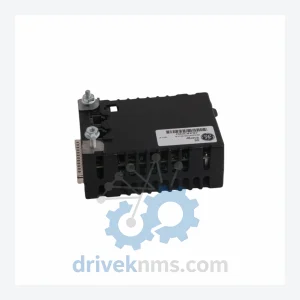
General Electric IS220PDIOH1A is listed for Mark VI RFQ review. Confirm quantity, condition and destination before quotation.
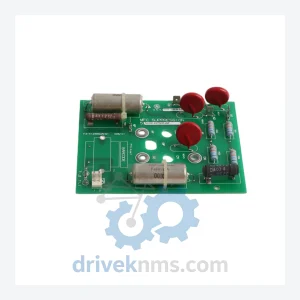
General Electric 531X124MSDAJG2 is listed for Mark VI RFQ review. Confirm quantity, condition and destination before quotation.