
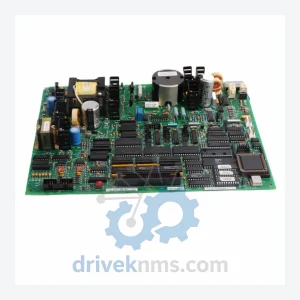
GE DS200TCEAG1APB Control Board – Obsolete Mark V Spare Part
General Electric DS200TCEAG1APB is listed for Mark V RFQ review. Confirm quantity, condition and destination before quotation.
RFQ-ready industrial model
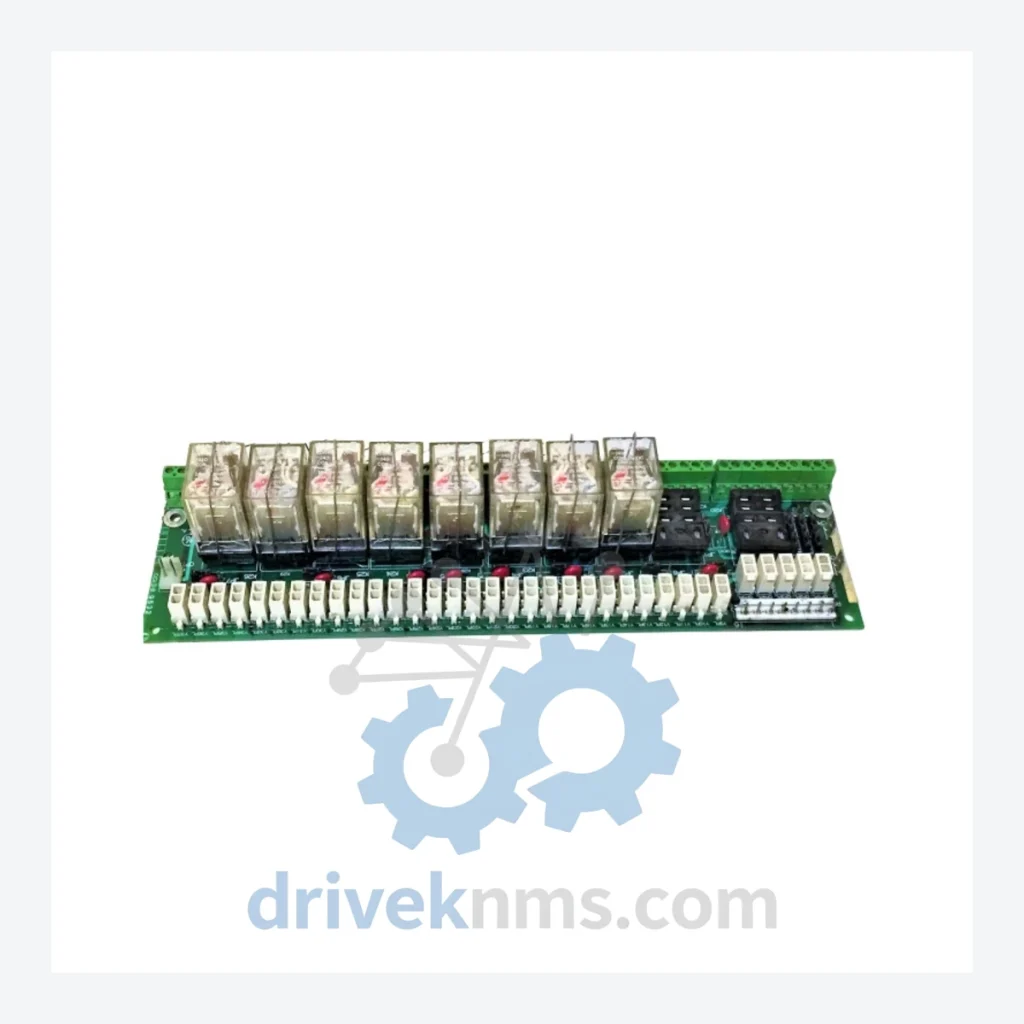
Model: DS200RTBAG2AHC
Product Overview
Commercial availability is handled through direct RFQ, model verification and export-oriented follow-up rather than public cart checkout.
Datasheet Preview
Use attached product manuals when available. If the manual is not public yet, request the full file directly through RFQ.
Commercial Path
Product pages on DRIVEKNMS are designed to verify model, brand and series first, then move the buyer into one clean quotation path.
Technical Dossier
RFQ support for obsolete parts: Send the model number, required quantity and destination so DriveKNMS can confirm sourcing options before quotation.
| Part Number | DS200RTBAG2AHC |
|---|---|
| Manufacturer | GE (General Electric) |
| Series | Mark V Turbine Control System |
| Board Function | Relay Terminal Board / Output Relay Card |
| Compatible Platform | GE Mark V (TMR & Simplex configurations) |
| Discontinuation Status | Obsolete – No longer manufactured or supported by OEM |
| Country of Origin | United States |
| Condition Available | New surplus / Professionally refurbished (see QA section) |
Note: Electrical parameters not listed here are not independently verified. DriveKNMS does not publish unconfirmed specifications. Contact us for test data on specific units.
The GE Mark V platform entered service in the late 1980s and remained the dominant turbine control architecture through the 1990s. Thousands of units remain in active service across gas turbines, steam turbines, and combined-cycle plants worldwide — not because operators prefer aging hardware, but because the cost and risk of mid-life platform migration are prohibitive.
The DS200RTBAG2AHC sits at the output boundary of the Mark V I/O architecture. It interfaces relay-driven field devices — trip solenoids, valve actuators, alarm annunciators — with the core control logic. There is no software-only workaround when this board fails. The relay outputs go silent, and the turbine either trips or loses critical protective functions.
GE's own migration path to Mark VIe requires new I/O packs, new HMI infrastructure, new network architecture, and full re-commissioning. For a single-unit power plant or a refinery with three to five turbines, that program runs 18–36 months and displaces capital that most maintenance budgets cannot absorb on an unplanned basis.
A stocked DS200RTBAG2AHC eliminates that forced decision. It restores the turbine to service within hours, preserves the existing control architecture, and defers the platform migration to a scheduled, budgeted window — on the operator's terms, not the failure's.
How to extend your Mark V asset life by 5–10 years at low cost:
Sourcing a discontinued board from the secondary market carries legitimate risk. DriveKNMS applies a five-step qualification process to every DS200RTBAG2AHC unit before it is offered for sale.
Q: How are RFQ terms confirmed?
A: Quantity, required condition, documentation needs, destination and sourcing route are confirmed during RFQ review before quotation.
Q: How do I confirm the unit is genuine GE manufacture and not a counterfeit?
A: All units are inspected for OEM markings, board layer construction, and component sourcing consistent with GE manufacturing standards. We provide high-resolution photographs of the specific unit prior to shipment on request.
Q: Should I buy more than one unit?
A: For any Mark V installation with no current spare, purchasing two units is the standard recommendation. One goes into immediate service as the active spare; the second provides coverage if the first spare is consumed before the next procurement cycle. Given the scarcity of this part, availability cannot be guaranteed at a future date.
Q: Can you source other Mark V boards if I need additional parts?
A: Yes. DriveKNMS specializes in GE Mark V and Mark VI legacy hardware. Contact us with your full bill of materials and we will advise on availability across our network.
Continue The Model Path
Move from this exact model into the matching system hub, brand archive, model-family archive or lifecycle sourcing route before sending a final RFQ list.
Related Paths
General Electric DS200TCEAG1APB is listed for Mark V RFQ review. Confirm quantity, condition and destination before quotation.
General Electric DS200TCQAG1BHF is listed for Mark V RFQ review. Confirm quantity, condition and destination before quotation.
General Electric DS215SLCCG1AZZ01A is listed for Mark V RFQ review. Confirm quantity, condition and destination before quotation.