
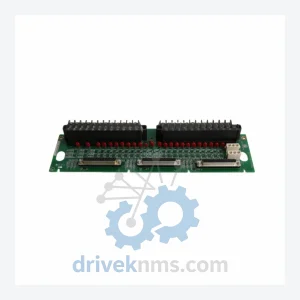
GE Fanuc IS200TBCIS2CCD I/O Terminal Board – Mark VI Redundant Control System
GE Fanuc IS200TBCIS2CCD is listed for Mark VI RFQ review. Confirm quantity, condition and destination before quotation.
RFQ-ready industrial model
Model: DS200TCPDG1BEC
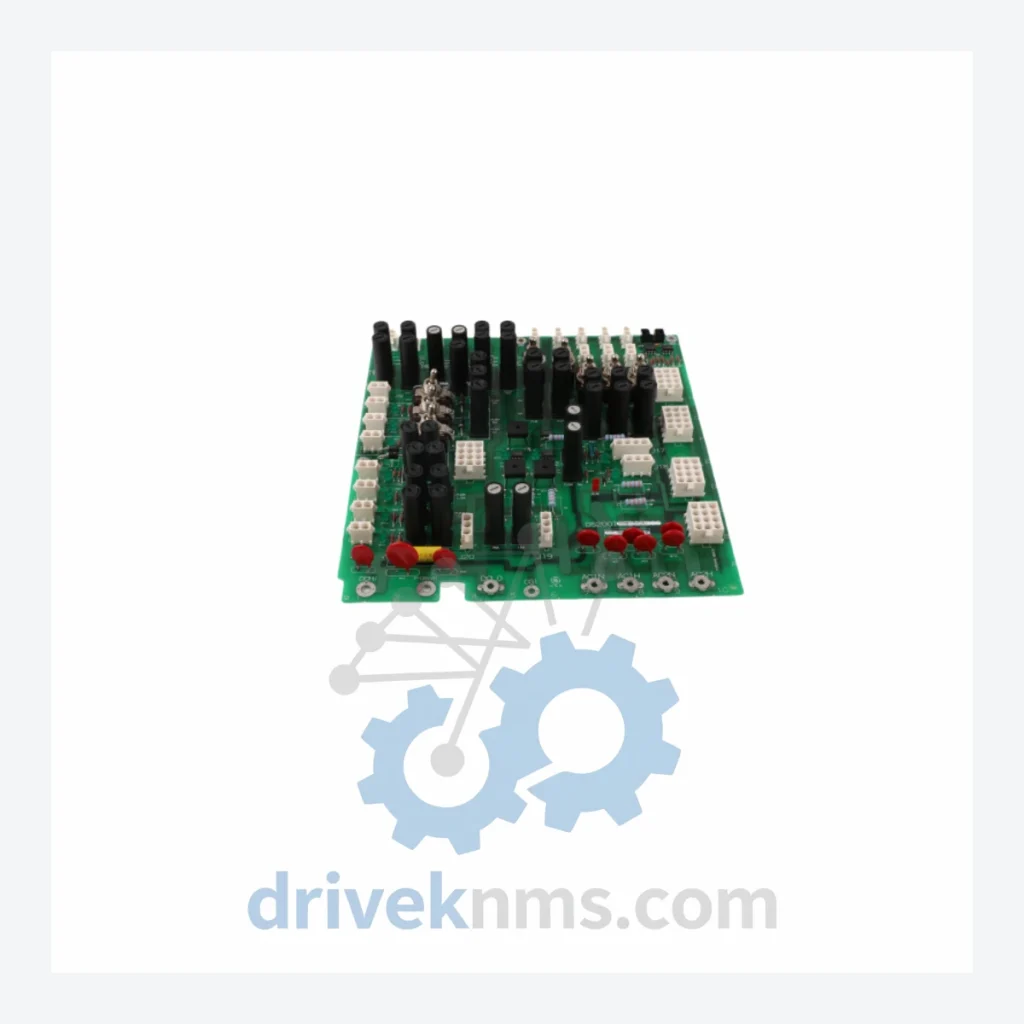
Product Overview
Commercial availability is handled through direct RFQ, model verification and export-oriented follow-up rather than public cart checkout.
Datasheet Preview
Use attached product manuals when available. If the manual is not public yet, request the full file directly through RFQ.
Commercial Path
Product pages on DRIVEKNMS are designed to verify model, brand and series first, then move the buyer into one clean quotation path.
Technical Dossier
RFQ support for obsolete parts: Send the model number, required quantity and destination so DriveKNMS can confirm sourcing options before quotation.
| Field | Detail |
|---|---|
| Part Number | DS200TCPDG1BEC |
| Manufacturer | GE (General Electric) |
| Series | Mark VI Turbine Control System |
| Board Type | Terminal / Distribution Board |
| Product Status | Discontinued – No longer manufactured by GE |
| Compatible Systems | GE Mark VI, Mark VI Simplex / TMR configurations |
| Country of Origin | United States |
| Condition Available | New surplus / Tested refurbished (see QA section) |
Note: Electrical parameters specific to this board variant are not published here to prevent misapplication. Contact our technical team for configuration verification before ordering.
The GE Mark VI control system was the backbone of turbine automation for over two decades. Thousands of units remain in active service at power generation facilities, petrochemical plants, and industrial compressor stations globally. GE's transition to the Mark VIe architecture left operators of legacy Mark VI installations in a difficult position: the hardware is no longer supported under standard service agreements, yet the turbines themselves have decades of mechanical life remaining.
Q: How are RFQ terms confirmed?
A: Quantity, required condition, documentation needs, destination and sourcing route are confirmed during RFQ review before quotation.
Sourcing a replacement through OEM channels is no longer possible. The only viable path is the secondary market — and within that market, the difference between a verified spare and an untested pull-out is the difference between a two-hour repair and a two-week outage. DriveKNMS specializes in exactly this gap: locating, verifying, and supplying boards like the DS200TCPDG1BEC to maintenance teams who cannot afford to wait.
For plant managers facing pressure to retire aging Mark VI systems, the financial case for maintaining critical spare inventory is straightforward. A single verified DS200TCPDG1BEC held in the maintenance store costs a fraction of one day's lost production. Holding two units — one active spare, one long-term reserve — provides a credible 5 to 10 year extension of the existing control system without any engineering redesign, retraining, or DCS migration cost. The turbine keeps running. The capital budget stays intact.
Obsolete boards sourced from the secondary market carry inherent risk. DriveKNMS applies a 5-step QA protocol to every DS200TCPDG1BEC unit before it ships:
Units that pass all five steps are classified as Tested Refurbished. New surplus units (unused, original packaging) are listed separately where available.
Q: How is condition confirmed before quotation?
A: Available condition, photos, test records and documentation are checked according to the requested model and sourcing channel before a formal RFQ response.
Can you verify compatibility with my specific Mark VI configuration before I order?
Yes. Provide your turbine serial number, Mark VI panel configuration, and existing board revision. Our technical team will confirm compatibility before the order is placed.
Continue The Model Path
Move from this exact model into the matching system hub, brand archive, model-family archive or lifecycle sourcing route before sending a final RFQ list.
Related Paths
GE Fanuc IS200TBCIS2CCD is listed for Mark VI RFQ review. Confirm quantity, condition and destination before quotation.
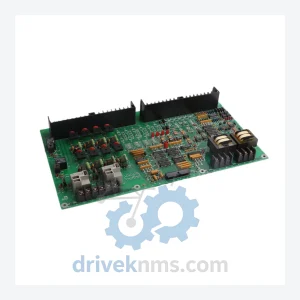
General Electric DS200DDTBG2ABB is listed for Mark VI RFQ review. Confirm quantity, condition and destination before quotation.
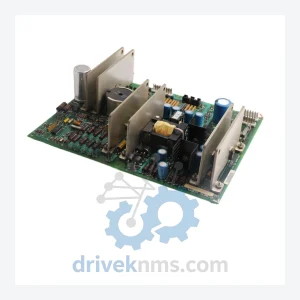
General Electric DS200TCPSG1AME is listed for Mark VI RFQ review. Confirm quantity, condition and destination before quotation.