
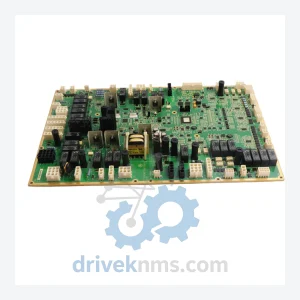
GE IS200WETBH1BAA Elevator Control Board – Obsolete Speedtronic Spare Part
General Electric IS200WETBH1BAA is listed for Controller Cards RFQ review. Confirm quantity, condition and destination before quotation.
RFQ-ready industrial model
Model: DS200TCQAG1BGE
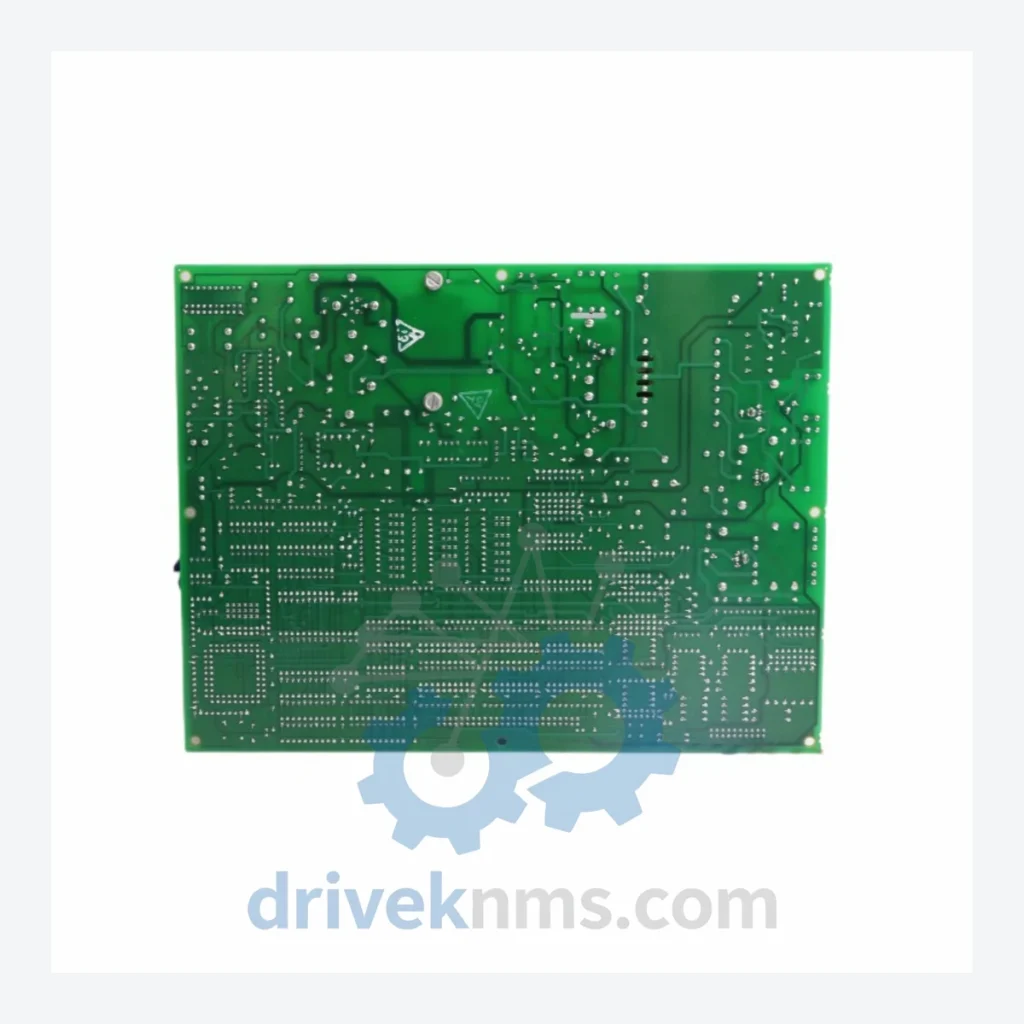
Product Overview
Commercial availability is handled through direct RFQ, model verification and export-oriented follow-up rather than public cart checkout.
Datasheet Preview
Use attached product manuals when available. If the manual is not public yet, request the full file directly through RFQ.
Commercial Path
Product pages on DRIVEKNMS are designed to verify model, brand and series first, then move the buyer into one clean quotation path.
Technical Dossier
The GE DS200 series represents the core I/O and control module family within GE's Mark V Speedtronic turbine control platform. Deployed across critical heavy-industry installations — including petrochemical refineries, nuclear power stations, combined-cycle gas turbine plants, and offshore platforms — the DS200 backplane-based architecture has maintained a dominant installed base globally since the early 1990s. These modules interface directly with GE's VCMI, TCCA, and TCCB controller cards via a proprietary high-speed serial bus, making them non-interchangeable with standard PLC I/O systems. The DS200 series remains the primary spare parts target for facilities operating GE Frame 3, Frame 5, Frame 6, Frame 7, and Frame 9 gas turbines under Mark V control.
The DS200 module family was introduced alongside the Mark V Speedtronic platform in the early 1990s as a replacement for the earlier Mark IV (DS3800 series) architecture. The transition from DS3800 to DS200 introduced a structured backplane bus, modular I/O segregation, and improved noise immunity suited for high-voltage turbine environments. Within the DS200 generation, GE released multiple board revisions (suffix letters A through G and beyond) reflecting firmware updates, component substitutions, and EMI compliance changes — making revision-level identification critical for direct replacement sourcing.
By the mid-2000s, GE introduced the Mark VI (IS200 series) as the successor platform, followed by Mark VIe (IS420 series) for new installations. However, the DS200 series entered a long-tail maintenance phase rather than an abrupt end-of-life: the global installed base of Mark V systems is estimated in the tens of thousands of units, and GE ceased active production of most DS200 modules by approximately 2010–2015. This places the entire DS200 catalog firmly in the obsolete/legacy category, requiring specialist sourcing channels for ongoing plant maintenance and emergency replacement.
The following SKUs represent verified, commonly sourced modules within the GE DS200 series, organized by functional category. Each module is designed for direct backplane installation within the Mark V control cabinet.
Analog I/O Modules
Digital I/O Modules
CPU / Controller Modules
Power Supply Modules
Communication & Interface Modules
DS200 modules present specific test challenges due to their proprietary backplane bus protocol and the age-related failure modes common in 20–30-year-old industrial electronics. DriveKNMS applies the following verification procedures to all DS200 inventory:
Continue The Model Path
Move from this exact model into the matching system hub, brand archive, model-family archive or lifecycle sourcing route before sending a final RFQ list.
Related Paths
General Electric IS200WETBH1BAA is listed for Controller Cards RFQ review. Confirm quantity, condition and destination before quotation.
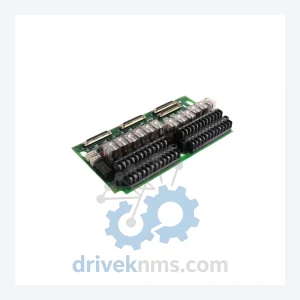
General Electric IS200TRLYH1BED IS200TRLYH1B is listed for Controller Cards RFQ review. Confirm quantity, condition and destination before quotation.
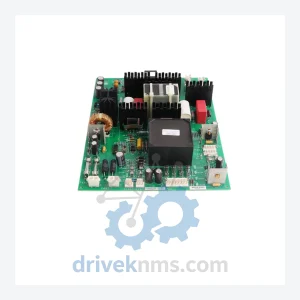
General Electric IS210AEPSG1AFC IS210AEPSG1 is listed for IS210 Series RFQ review. Confirm quantity, condition and destination before quotation.