
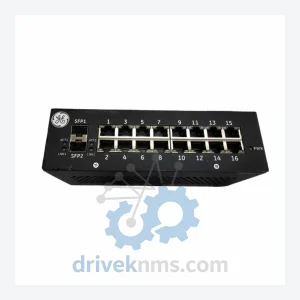
GE IS420ESWBH3A Communication Module – Obsolete Mark VI Spare Part
General Electric IS420ESWBH3A is listed for Mark VI RFQ review. Confirm quantity, condition and destination before quotation.
RFQ-ready industrial model
Model: DS3800HCMC-1A1B
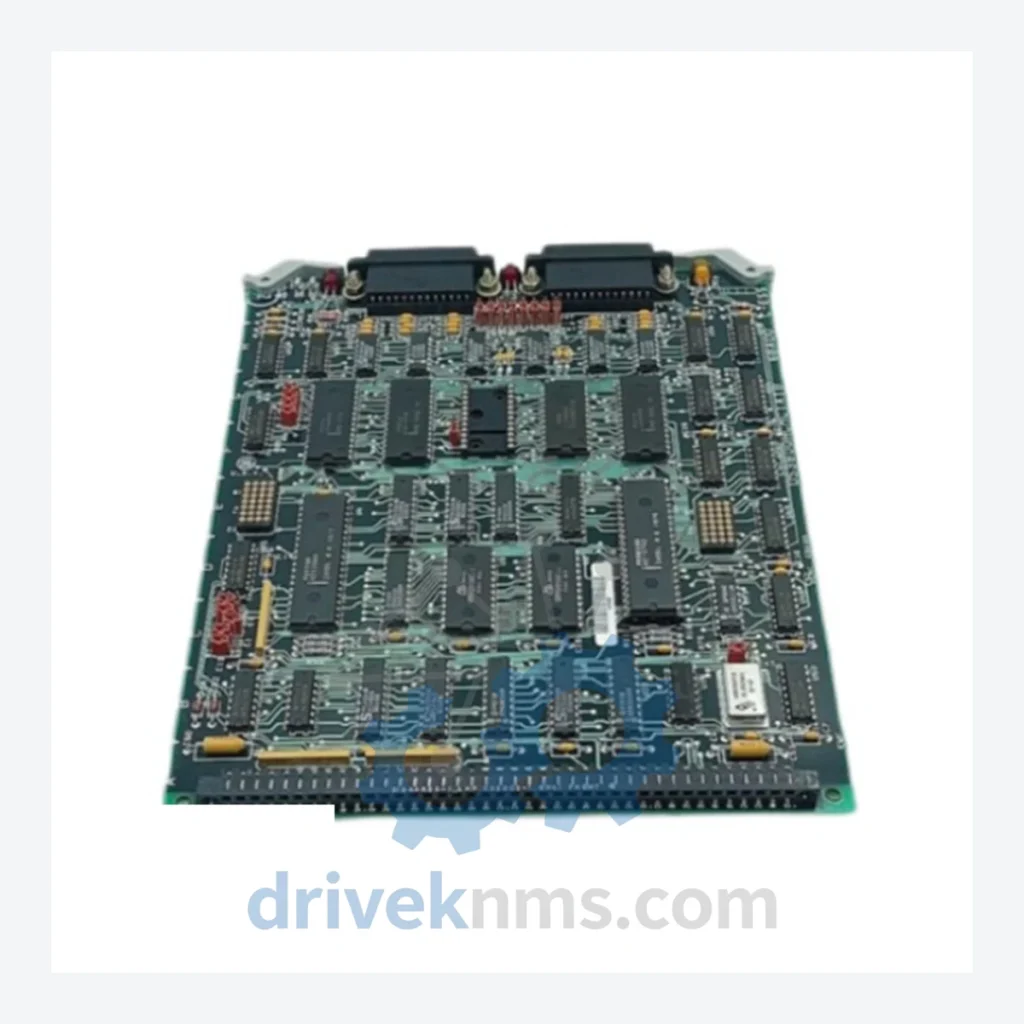
Product Overview
Commercial availability is handled through direct RFQ, model verification and export-oriented follow-up rather than public cart checkout.
Datasheet Preview
Use attached product manuals when available. If the manual is not public yet, request the full file directly through RFQ.
Commercial Path
Product pages on DRIVEKNMS are designed to verify model, brand and series first, then move the buyer into one clean quotation path.
Technical Dossier
Q: How are RFQ terms confirmed?
A: Quantity, required condition, documentation needs, destination and sourcing route are confirmed during RFQ review before quotation.
DriveKNMS maintains RFQ-reviewed sourcing status of the DS3800HCMC-1A1B. For plant managers and reliability engineers operating aging turbine control infrastructure, this is not a commodity purchase — it is a risk mitigation decision.
RFQ support for obsolete parts: Send the model number, required quantity and destination so DriveKNMS can confirm sourcing options before quotation.
| Attribute | Detail |
|---|---|
| Part Number | DS3800HCMC-1A1B |
| Manufacturer | GE (General Electric) |
| Series | Mark IV Speedtronic Turbine Control |
| Function | Communication Board – inter-module data exchange within the Mark IV rack |
| Country of Origin | United States |
| OEM Production Status | Discontinued – no longer manufactured or supported by GE |
| Compatible Systems | GE Mark IV Speedtronic turbine control panels (gas turbine, steam turbine applications) |
| Form Factor | Plug-in PCB card for Mark IV rack chassis |
| Note on Parameters | Detailed electrical parameters vary by revision. Contact DriveKNMS with your full panel configuration for compatibility confirmation. |
The GE Mark IV Speedtronic system was the backbone of gas and steam turbine control across power utilities, petrochemical plants, and industrial facilities worldwide through the 1980s and 1990s. Tens of thousands of units remain in active service today — not because operators are unaware of newer alternatives, but because the economics of replacement are prohibitive.
The DS3800HCMC-1A1B sits at the communication layer of the Mark IV architecture. It handles data routing between the control, protection, and I/O boards within the rack. When this board degrades or fails, the entire turbine control panel loses coherent inter-module communication. The result is typically a hard trip, loss of turbine availability, and — in the absence of a replacement board — an unplanned outage that can stretch from days to weeks while sourcing options are exhausted.
There is no modern drop-in equivalent from GE. The Mark VIe and Mark VI platforms use entirely different backplane architectures. Sourcing a functional DS3800HCMC-1A1B from a qualified supplier is, in most cases, the only path to restoring operation without committing to a full panel replacement project.
For facilities operating multiple Mark IV-controlled turbines, the risk is compounded. A single board failure on one unit creates immediate pressure to audit the communication board condition across the entire fleet. Proactive spare holding is the standard practice among reliability-focused operations teams — and it is significantly cheaper than emergency sourcing under outage conditions.
DriveKNMS applies a structured 5-step quality process to all obsolete boards before dispatch review:
Plant managers facing pressure to retire Mark IV-controlled turbines before the end of their mechanical service life are often working against a false constraint. The turbine itself — the rotor, blades, combustion hardware — may have a decade of viable service remaining. The control system is the limiting factor only if critical spare parts are unavailable.
The window for sourcing DS3800HCMC-1A1B boards at reasonable cost is narrowing. As installed base units are decommissioned, the pool of recoverable boards shrinks. Boards that are available today at manageable cost will become significantly harder to source in three to five years. Facilities that establish their critical spare inventory now are insulating themselves against both supply scarcity and price escalation.
The alternative — deferring spare procurement until a failure occurs — consistently produces the worst outcome: emergency sourcing at premium cost, extended outage duration, and, in some cases, forced acceleration of a capital replacement project that was not budgeted for the current cycle.
How do I confirm this is the correct board for my panel?
Provide your Mark IV panel serial number or the full board slot designation from your panel drawing. DriveKNMS will cross-reference against known configurations before dispatch review.
Can you supply multiple units for fleet sparing?
Yes. Contact us with your quantity requirement. For fleet orders, we recommend requesting a condition report for each unit individually.
How should I store spare boards long-term?
Store in anti-static packaging in a climate-controlled environment (15–25°C, relative humidity below 60%). Avoid storage near strong magnetic fields or in areas subject to vibration.
Continue The Model Path
Move from this exact model into the matching system hub, brand archive, model-family archive or lifecycle sourcing route before sending a final RFQ list.
Related Paths
General Electric IS420ESWBH3A is listed for Mark VI RFQ review. Confirm quantity, condition and destination before quotation.
General Electric IS215VCMIH2C is listed for Communication Modules RFQ review. Confirm quantity, condition and destination before quotation.
General Electric 531X306LCCBEG3 is listed for Mark VI RFQ review. Confirm quantity, condition and destination before quotation.