
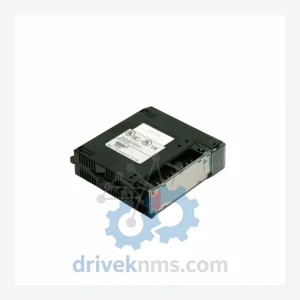
GE MIO-A-2-610 Output Source Module – Obsolete Series 90 Spare Part
GE MIO-A-2-610 Output Source Module – Obsolete Series 90 Spare Part When a GE MIO-A-2-610 Output Source Module fails in…
Model: FANUC IC630MDL357A
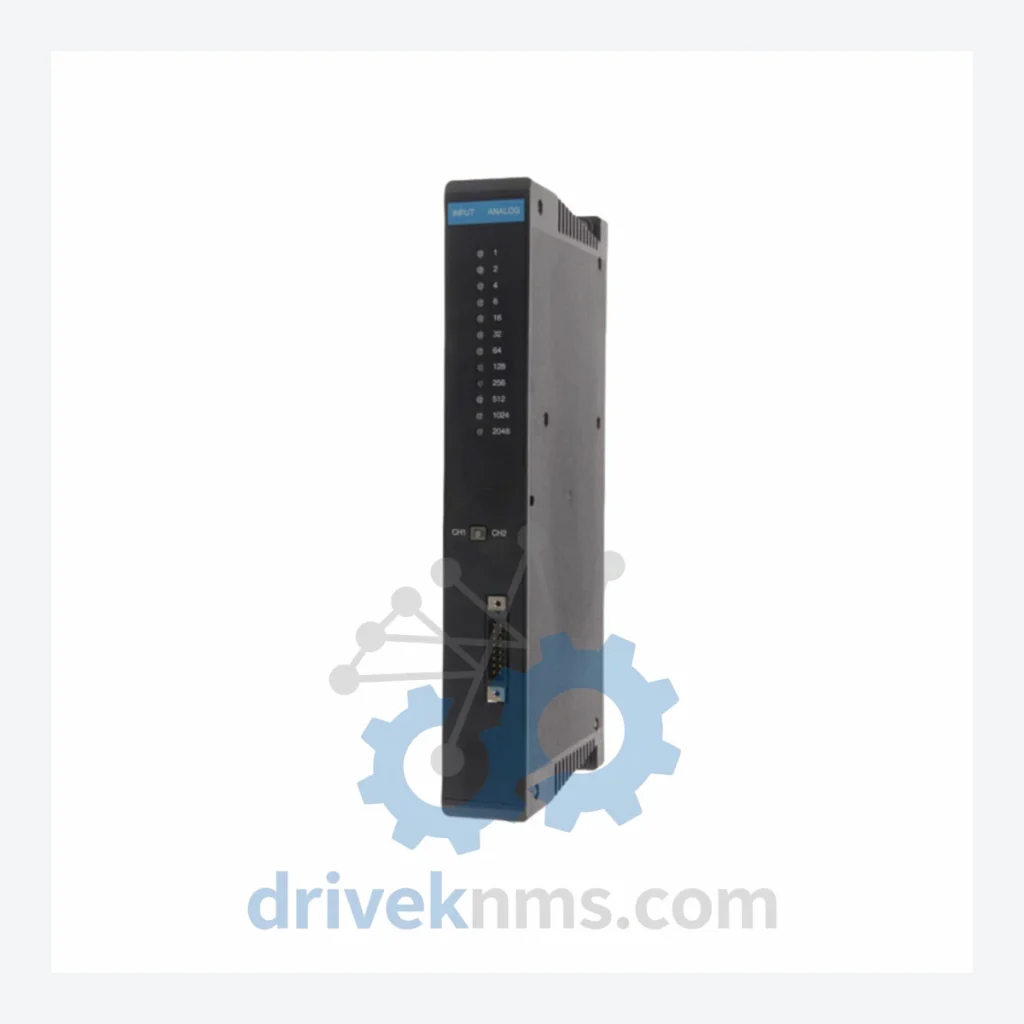
Product Overview
Commercial availability is handled through direct RFQ, model verification and export-oriented follow-up rather than public cart checkout.
Datasheet Preview
Use attached product manuals when available. If the manual is not public yet, request the full file directly through RFQ.
Commercial Path
Product pages on DRIVEKNMS are designed to verify model, brand and series first, then move the buyer into one clean quotation path.
Technical Dossier
The GE Fanuc Series Six programmable logic controller platform — identified by the IC630 part number prefix — represents one of the most widely deployed legacy PLC architectures in global heavy industry. Installed across petrochemical refineries, nuclear power generation facilities, chemical processing plants, pulp and paper mills, and continuous manufacturing lines, the Series Six established GE Fanuc's position as a tier-one automation supplier throughout the 1980s and 1990s. Its modular backplane architecture, deterministic ladder logic execution, and robust I/O density made it the default choice for large-scale process control applications where uptime is measured in decades, not years. Today, thousands of Series Six systems remain in active service, creating sustained global demand for original replacement modules, tested spares, and lifecycle extension support.
The Series Six platform was introduced in the early 1980s as a successor to GE's Series One and Series Three controllers, designed to address the scaling demands of large distributed manufacturing and process environments. The architecture is built around a parallel backplane bus that supports up to 12 modules per rack, with the CPU module occupying a fixed slot and all I/O modules communicating via a shared data highway.
Early Series Six deployments used the IC630CPU300 and IC630CPU301 processors, which operated at clock speeds sufficient for scan times in the 5–50 ms range depending on program size. As the platform matured, GE Fanuc introduced enhanced CPU variants with expanded memory and faster I/O scan capabilities. The I/O subsystem evolved in parallel: early discrete modules supported 8- and 16-point configurations, while later generations introduced 32-point high-density modules and analog I/O with 12-bit resolution.
Compatibility across Series Six generations is constrained by backplane slot addressing and power budget. Mixing early-generation CPUs with late-generation high-density I/O modules requires verification of firmware revision levels and rack power supply ratings. The platform reached end-of-production in the late 1990s, transitioning users toward the GE Fanuc Series 90 (90-30, 90-70) architecture. However, the installed base remained large enough that GE (later Emerson, then Proficy) continued to offer limited spare parts support into the 2010s. The platform is now fully in the obsolescence phase, with all sourcing dependent on aftermarket inventory.
CPU & Processor Modules
Discrete Output Modules
Discrete Input Modules
Analog I/O Modules
Power Supply Modules
Communication & Specialty Modules
The GE Fanuc Series Six platform has been out of production for over two decades. OEM support channels are closed, and authorized distributor stock was exhausted years ago. For facilities operating Series Six systems — particularly in regulated industries such as nuclear power, refining, and chemical processing where control system replacement projects require multi-year qualification cycles — the only viable sourcing path is the specialist aftermarket.
DriveKNMS maintains a dedicated inventory of tested Series Six modules, including hard-to-find CPU variants, high-density I/O modules, and power supplies. Our sourcing network spans decommissioned plant equipment, surplus industrial auctions, and direct acquisition from facilities that have completed migration projects. Every unit is catalogued by part number, revision level, and functional test status before being offered for sale. For critical spares programs, we can provide quantity commitments and long-term hold agreements to support planned maintenance schedules.
Series Six modules present specific test challenges due to their parallel backplane bus architecture and the age-related failure modes common to 30–40-year-old industrial electronics. DriveKNMS applies a structured test protocol to all IC630 modules prior to dispatch:
© 2026 DriveKNMS. All trademarks belong to their respective owners. Specifications are for reference only and subject to change without notice. Verify all parameters against official documentation before installation.
Related Paths
GE MIO-A-2-610 Output Source Module – Obsolete Series 90 Spare Part When a GE MIO-A-2-610 Output Source Module fails in…
GE Fanuc 90-30 Series: Comprehensive Module Range and Technical Overview The GE Fanuc Series 90-30 Programmable Logic Controller (PLC) is…
GE IC200MDL741 Discrete Output Module – Obsolete VersaMax Spare Part When a GE IC200MDL741 output module fails in a running…