
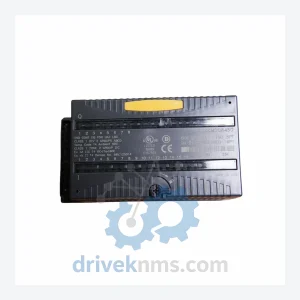
GE IC200MDD845D Discrete I/O Module – Obsolete VersaMax Spare Part
GE Fanuc IC200MDD845D is listed for Versamax RFQ review. Confirm quantity, condition and destination before quotation.
RFQ-ready industrial model
Model: IC200UEO116-A
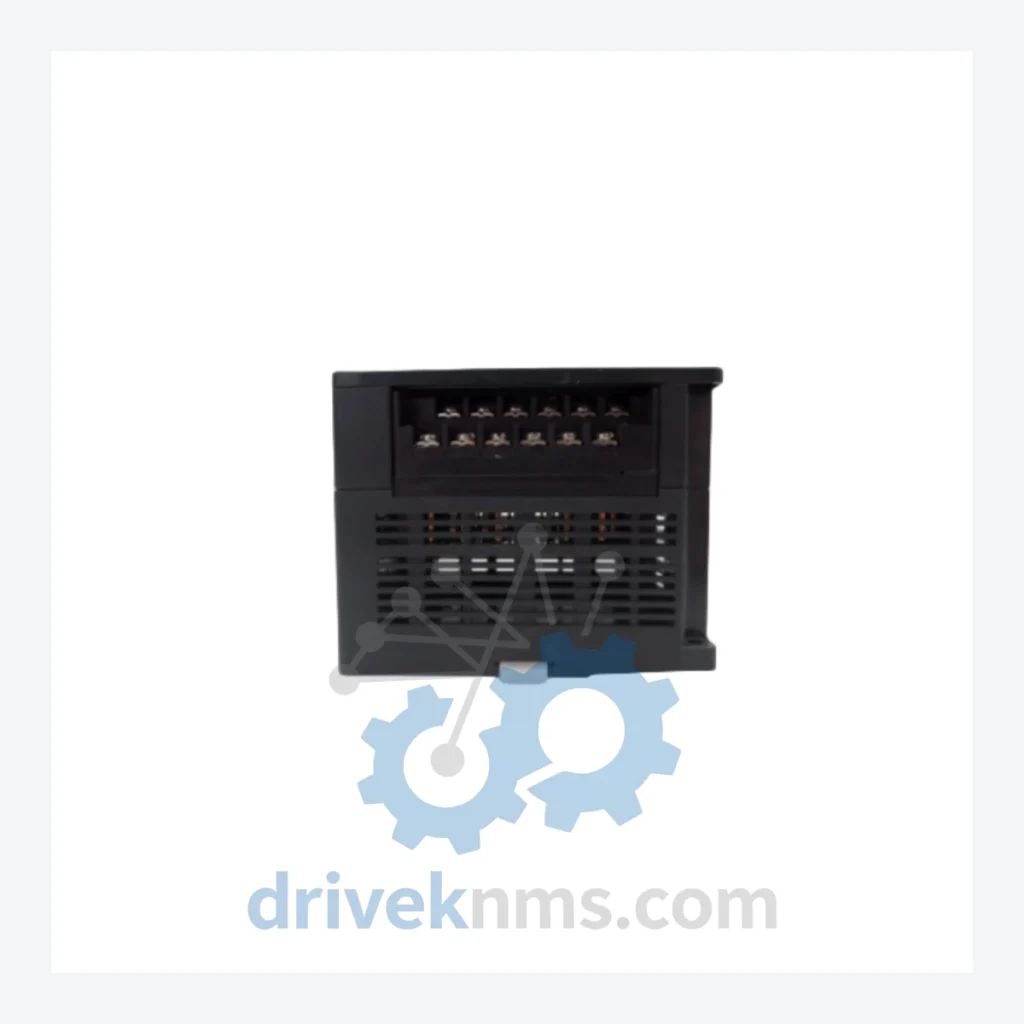
Product Overview
Commercial availability is handled through direct RFQ, model verification and export-oriented follow-up rather than public cart checkout.
Datasheet Preview
Use attached product manuals when available. If the manual is not public yet, request the full file directly through RFQ.
Commercial Path
Product pages on DRIVEKNMS are designed to verify model, brand and series first, then move the buyer into one clean quotation path.
Technical Dossier
RFQ support for obsolete parts: Send the model number, required quantity and destination so DriveKNMS can confirm sourcing options before quotation.
| Parameter | Detail |
|---|---|
| Part Number | IC200UEO116-A |
| Manufacturer | GE Fanuc (now Emerson / Proficy) |
| Series | VersaMax |
| Module Type | Universal Expansion Output Unit |
| Discontinuation Status | Officially discontinued – no longer manufactured |
| Country of Origin | United States |
| Compatible Systems | GE Fanuc VersaMax PLC, VersaMax Micro, VersaMax Nano |
| Backplane Compatibility | VersaMax I/O expansion backplanes |
| Note | Electrical parameters are verified per unit during QA inspection. Specifications not confirmed by physical testing are not published to ensure data integrity. |
The GE Fanuc VersaMax platform was deployed extensively across North American and European manufacturing facilities throughout the 1990s and 2000s. Automotive assembly lines, water treatment facilities, food processing plants, and chemical handling operations built their control infrastructure around this architecture. GE Fanuc's discontinuation of the VersaMax product line did not retire those systems — it transferred the maintenance burden entirely to the end user.
The IC200UEO116-A expansion unit occupies a specific role in the VersaMax I/O architecture that cannot be substituted with a generic module without reprogramming the PLC, reconfiguring the rack, and in many cases, revalidating the entire control system under applicable safety or regulatory standards. For a facility operating under FDA 21 CFR Part 11, ATEX, or SIL-rated process control requirements, that revalidation alone can take months and cost more than the original system installation.
For plant managers and maintenance engineers facing pressure to retire aging VersaMax systems, the following framework provides a structured approach to extending operational life without compromising reliability:
1. Conduct a Critical Spares Audit. Identify every module in your VersaMax rack that has no available replacement through standard distribution channels. The IC200UEO116-A is one such module. Map each module to its function and assess the consequence of failure. Prioritize procurement based on failure impact, not failure probability.
Q: How are RFQ terms confirmed?
A: Quantity, required condition, documentation needs, destination and sourcing route are confirmed during RFQ review before quotation.
Every IC200UEO116-A unit shipped by DriveKNMS passes a five-stage inspection protocol developed specifically for discontinued industrial control hardware:
Stage 1 – Electrolytic Capacitor Assessment. Capacitor aging is the primary failure mode in legacy PLC modules. Each unit is inspected for capacitor bulging, electrolyte leakage, and ESR deviation from specification. Units with degraded capacitors are either reconditioned with matched replacements or rejected from inventory.
Stage 2 – Firmware Version Verification. The firmware revision installed on each unit is documented and disclosed to the customer prior to shipment. Customers operating systems with specific firmware dependencies are advised before purchase, not after delivery.
Stage 5 – Packaging and ESD Protection. Units are packaged in anti-static bags with desiccant and rigid outer packaging rated for international freight. Packaging condition on arrival is a direct indicator of the care applied throughout the supply chain.
The IC200UEO116-A is a direct, drop-in replacement for failed units within an existing VersaMax rack. No PLC reprogramming is required. No rack reconfiguration is necessary. The replacement module assumes the I/O address assignments of the original unit without modification to the control program. This characteristic is the defining advantage of sourcing an identical replacement over pursuing a migration to a current-generation platform.
Q: How is condition confirmed before quotation?
A: Available condition, photos, test records and documentation are checked according to the requested model and sourcing channel before a formal RFQ response.
Should I purchase more than one unit?
For any facility where the IC200UEO116-A is a single point of failure in an active production system, purchasing a minimum of two units is the operationally responsible decision. Current secondary market availability of this module is limited. Units that are available today may not be available when the next failure occurs. The cost of a second unit is a fraction of the cost of a single production stoppage.
Can DriveKNMS reserve units for future delivery?
Yes. Contact our team to discuss a reserved inventory arrangement. We support scheduled delivery agreements for customers who require supply certainty over a multi-year maintenance horizon.
Continue The Model Path
Move from this exact model into the matching system hub, brand archive, model-family archive or lifecycle sourcing route before sending a final RFQ list.
Related Paths
GE Fanuc IC200MDD845D is listed for Versamax RFQ review. Confirm quantity, condition and destination before quotation.
GE Fanuc IC200ALG431 is listed for Versamax RFQ review. Confirm quantity, condition and destination before quotation.
GE Fanuc IC670GBI002 is listed for Versamax RFQ review. Confirm quantity, condition and destination before quotation.