
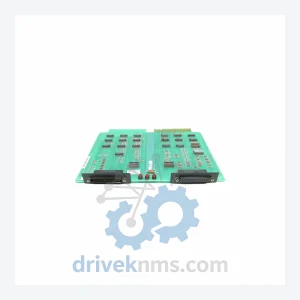
GE Fanuc IC600BF800 Circuit Board – Obsolete Series Six Spare Part
GE Fanuc FANUC IC600BF800 is listed for Series Six RFQ review. Confirm quantity, condition and destination before quotation.
RFQ-ready industrial model
Model: IC600CB503L
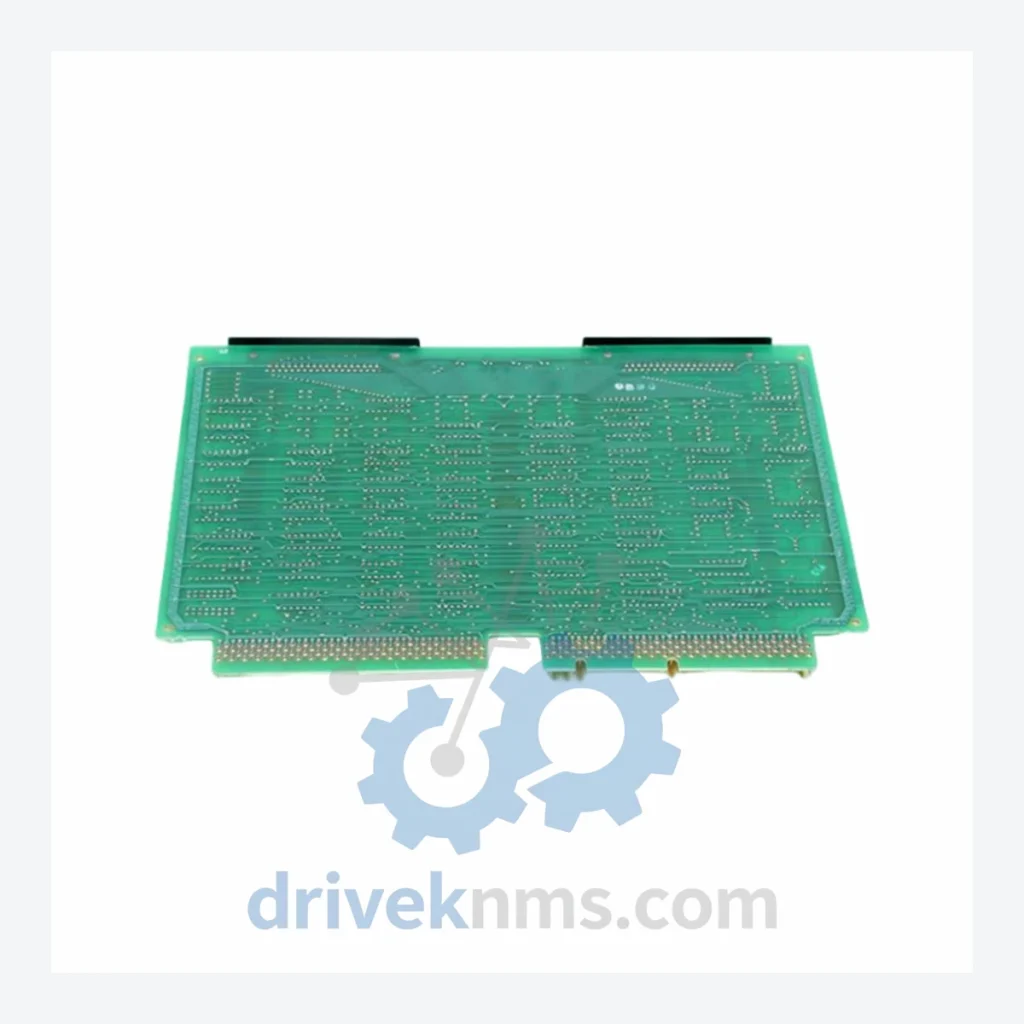
Product Overview
Commercial availability is handled through direct RFQ, model verification and export-oriented follow-up rather than public cart checkout.
Datasheet Preview
Use attached product manuals when available. If the manual is not public yet, request the full file directly through RFQ.
Commercial Path
Product pages on DRIVEKNMS are designed to verify model, brand and series first, then move the buyer into one clean quotation path.
Technical Dossier
RFQ support for obsolete parts: Send the model number, required quantity and destination so DriveKNMS can confirm sourcing options before quotation.
| Parameter | Detail |
|---|---|
| Part Number | IC600CB503L |
| Manufacturer | GE Fanuc Automation |
| Series | Series Six (6) |
| Module Type | I/O Control Board |
| Product Status | Discontinued / Obsolete – No longer manufactured |
| Country of Origin | United States |
| Compatible Systems | GE Series Six PLC (6000 Series) |
| Form Factor | Board-level module for Series Six rack chassis |
Note: Electrical parameters not independently verified. Specifications above are based on known product family data. No parameters have been fabricated. Buyers requiring full datasheet confirmation should contact us prior to purchase.
GE's Series Six PLC platform was a dominant force in heavy industrial automation through the 1980s and 1990s — cement plants, paper mills, water treatment facilities, and automotive body shops built their control infrastructure around it. GE Fanuc formally discontinued the Series Six line, and no new production of boards such as the IC600CB503L has occurred for decades.
The I/O Control Board sits at the functional core of the Series Six rack. It manages the communication between the CPU and field I/O modules. A failure here does not degrade performance — it stops the rack. For facilities where a Series Six rack controls a kiln, a press line, or a batch reactor, this is a single-point-of-failure with no software workaround.
The industrial reality is that many of these systems remain in service not out of neglect, but out of rational asset management. A Series Six installation that was commissioned in 1992 and has run reliably for 30+ years represents a fully depreciated capital asset. The control logic embedded in that system — ladder programs refined over years of production tuning — carries institutional knowledge that cannot be exported to a modern PLC without significant engineering effort. Replacing the IC600CB503L costs a fraction of a percent of what a full migration costs. For plant managers facing capital budget constraints, this is not a difficult calculation.
Obsolete boards sourced from the secondary market carry real risks. Our 5-step QA process addresses the failure modes specific to boards of this age and design:
Units that do not pass all five steps are not sold as functional spares. We do not ship boards we would not install ourselves.
For plant managers and maintenance engineers operating legacy GE Series Six systems, the question is rarely whether to migrate — it is when. The following strategy has been applied successfully across process industries to defer migration costs while maintaining production reliability:
1. Identify your single points of failure. The IC600CB503L is one of them. Map every module in your Series Six rack that has no installed spare and no available substitute. These are your exposure points.
2. Establish a minimum strategic reserve. For critical boards like the I/O Control Board, a minimum of two units in storage is a defensible position. One unit covers an immediate failure. The second covers the time required to source a replacement after the first is consumed.
3. Store correctly. Boards stored in anti-static packaging, in a climate-controlled environment (15–25°C, <60% RH), with annual visual inspection, can remain serviceable for 10–15 years. Do not store in cardboard boxes in uncontrolled environments.
4. Document firmware and configuration. Before any board swap, ensure your current CPU firmware version and PLC program backup are current and stored off-system. This is standard practice but frequently deferred.
5. Budget spare parts as capital protection, not maintenance expense. The cost of two IC600CB503L units is a rounding error against the cost of an unplanned line stoppage or an emergency migration. Present it to finance as asset protection, not a repair budget line.
This approach has allowed facilities to operate legacy Series Six systems reliably for 5–10 years beyond the point at which they would otherwise have been forced into emergency migration.
Q: How do I confirm compatibility with my specific Series Six rack configuration?
A: Provide your rack model and current board revision if known. Our technical team will confirm compatibility before the order is processed.
Q: Can export requirements be reviewed?
A: Destination, documentation and routing requirements are confirmed during RFQ review.
Continue The Model Path
Move from this exact model into the matching system hub, brand archive, model-family archive or lifecycle sourcing route before sending a final RFQ list.
Related Paths
GE Fanuc FANUC IC600BF800 is listed for Series Six RFQ review. Confirm quantity, condition and destination before quotation.
GE Fanuc IC600BF905 is listed for Series Six RFQ review. Confirm quantity, condition and destination before quotation.
GE Fanuc IC600BF830L is listed for Series Six RFQ review. Confirm quantity, condition and destination before quotation.