
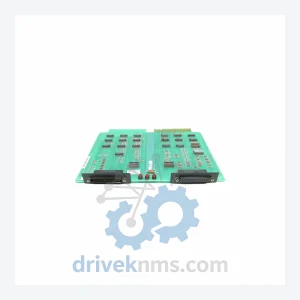
GE Fanuc IC600BF800 Circuit Board – Obsolete Series Six Spare Part
GE Fanuc FANUC IC600BF800 is listed for Series Six RFQ review. Confirm quantity, condition and destination before quotation.
RFQ-ready industrial model
Model: IC600LX624
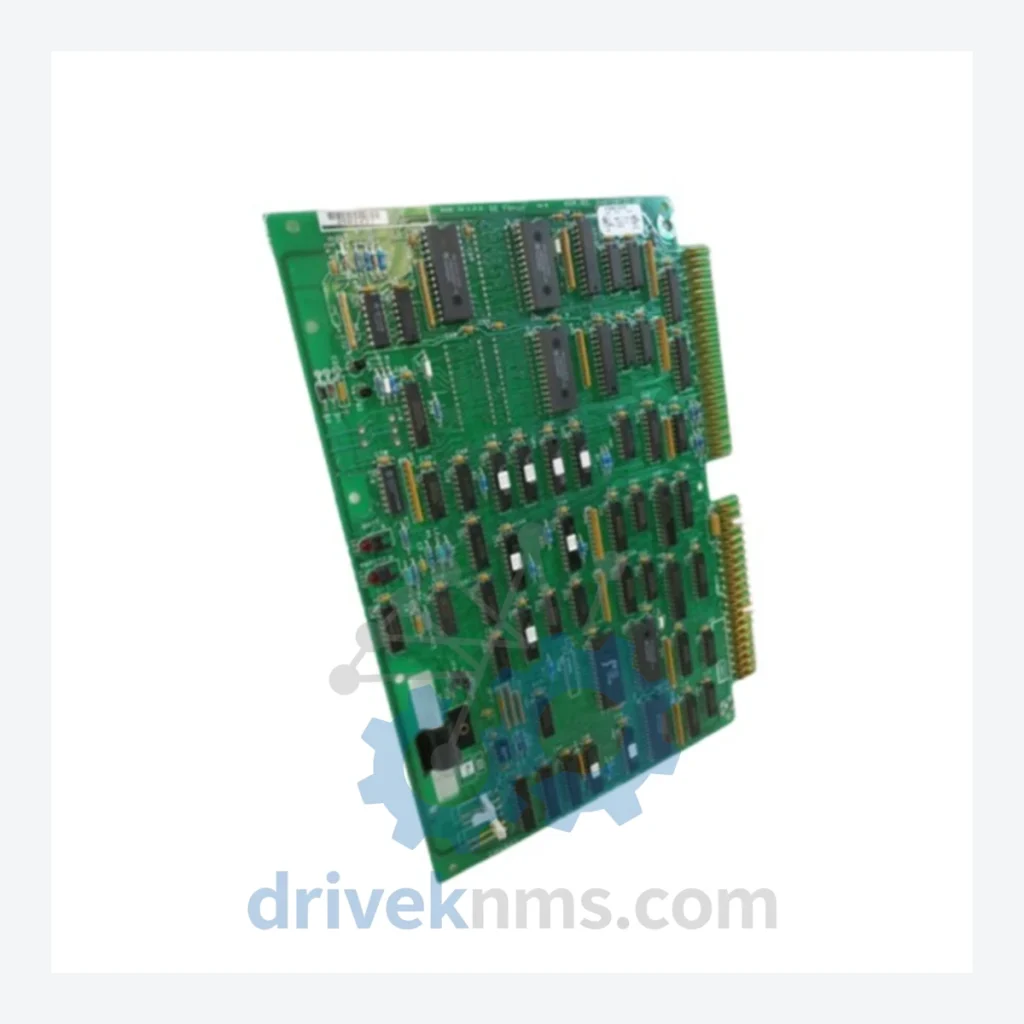
Product Overview
Commercial availability is handled through direct RFQ, model verification and export-oriented follow-up rather than public cart checkout.
Datasheet Preview
Use attached product manuals when available. If the manual is not public yet, request the full file directly through RFQ.
Commercial Path
Product pages on DRIVEKNMS are designed to verify model, brand and series first, then move the buyer into one clean quotation path.
Technical Dossier
DriveKNMS reviews sourcing options for this model through RFQ handling before quotation.
RFQ support for obsolete parts: Send the model number, required quantity and destination so DriveKNMS can confirm sourcing options before quotation.
The GE Fanuc Series Six was a workhorse platform deployed extensively across North American and European industrial facilities from the late 1970s through the 1990s. Its robustness is precisely why so many installations remain operational today — and precisely why the discontinuation of its spare parts creates a structural risk that plant engineers cannot ignore.
The IC600LX624 memory module sits at the core of Series Six CPU operation. Without a functioning memory module, the controller cannot execute the ladder logic that governs every downstream process. There is no software patch, no firmware workaround, and no cross-compatible substitute from a current-generation product line. The module must be replaced with an identical or verified-equivalent unit.
Facilities that have operated Series Six systems for 20 to 30 years have accumulated institutional knowledge in their engineering teams, calibrated their processes around the platform's behavior, and embedded the system into safety and compliance documentation. Discarding that infrastructure is not a technical decision — it is a capital expenditure decision that competes with every other priority on the plant's balance sheet.
Maintaining a reserve of critical spare parts like the IC600LX624 is the lowest-cost strategy available for extending the operational life of a Series Six installation by 5 to 10 years. The math is straightforward: the cost of two or three verified spare modules is a fraction of one percent of the cost of an unplanned migration. For plant managers facing board-level pressure to defer capital expenditure, a documented spares strategy is also a defensible position — it demonstrates due diligence and quantified risk management rather than deferred maintenance.
The practical recommendation for any facility still running Series Six hardware is to audit current spare holdings, identify single points of failure at the module level, and secure replacements before the next failure event — not after it.
Surplus industrial hardware sourced without verification is a liability, not an asset. DriveKNMS applies a five-step inspection protocol to every IC600LX624 unit before it is offered for sale:
Q: How are RFQ terms confirmed?
A: Quantity, required condition, documentation needs, destination and sourcing route are confirmed during RFQ review before quotation.
Q: How is condition confirmed before quotation?
A: Available condition, photos, test records and documentation are checked according to the requested model and sourcing channel before a formal RFQ response.
Q: How do I know the unit is genuine and not a counterfeit?
A: All units are sourced from documented industrial surplus channels — decommissioned facilities, verified distributors, and estate liquidations. OEM markings, date codes, and PCB characteristics are cross-referenced during inspection. We do not source from unverified secondary markets. Inspection photos and documentation are available prior to purchase.
Continue The Model Path
Move from this exact model into the matching system hub, brand archive, model-family archive or lifecycle sourcing route before sending a final RFQ list.
Related Paths
GE Fanuc FANUC IC600BF800 is listed for Series Six RFQ review. Confirm quantity, condition and destination before quotation.
GE Fanuc IC600BF905 is listed for Series Six RFQ review. Confirm quantity, condition and destination before quotation.
GE Fanuc IC600BF830L is listed for Series Six RFQ review. Confirm quantity, condition and destination before quotation.