
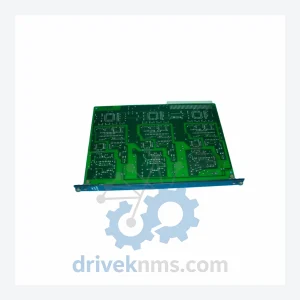
GE IS200BPIBG1AEB Driver Board
General Electric IS200BPIBG1AEB is listed for Monitoring Systems RFQ review. Confirm quantity, condition and destination before quotation.
RFQ-ready industrial model
Model: IC660HHM501
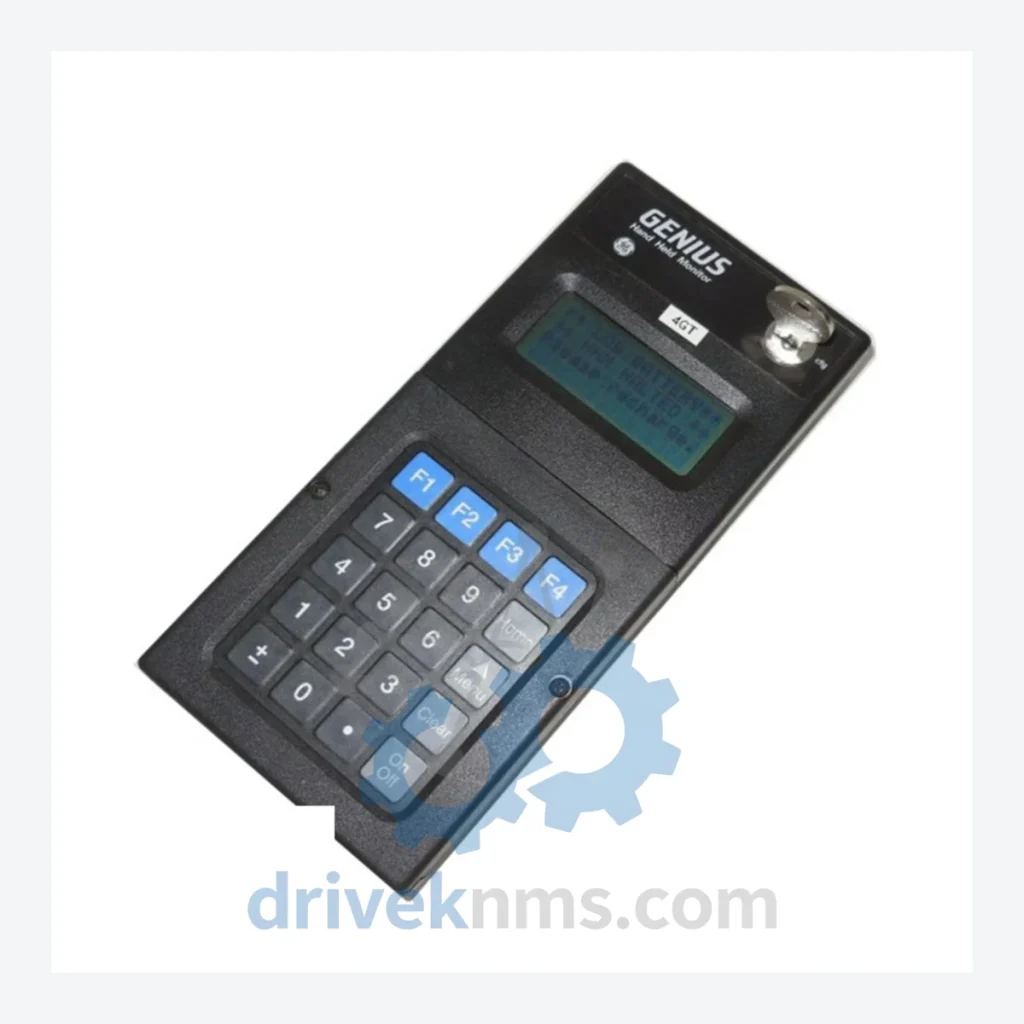
Product Overview
Commercial availability is handled through direct RFQ, model verification and export-oriented follow-up rather than public cart checkout.
Datasheet Preview
Use attached product manuals when available. If the manual is not public yet, request the full file directly through RFQ.
Commercial Path
Product pages on DRIVEKNMS are designed to verify model, brand and series first, then move the buyer into one clean quotation path.
Technical Dossier
The GE IC660 series, commercially designated as the Genius I/O system, is a distributed I/O platform developed by GE Fanuc Automation (now part of Emerson / GE Vernova). It has been deployed across heavy industrial sectors including petrochemical refineries, nuclear power generation facilities, offshore platforms, and continuous-process chemical plants. The IC660 architecture operates on the Genius Bus — a single-cable, token-passing serial network capable of connecting up to 32 bus interface units (BIUs) per segment at data rates up to 153.6 Kbaud. Its deterministic scan cycle and high noise immunity made it a standard specification in safety-instrumented and process-critical environments throughout the 1990s and 2000s. Installed base estimates place active IC660 deployments in the tens of thousands of nodes globally, with many sites maintaining the platform well beyond its original design life due to the cost and complexity of full DCS migration.
The IC660 platform was introduced in the mid-1980s as GE's answer to distributed I/O requirements in large-scale process automation. The original Genius Bus used a single twisted-pair cable with a proprietary protocol, allowing field devices to communicate directly with a host PLC (Series 90-70 or Series 90-30) without intermediate marshalling panels. Early hardware revisions used conformal-coated PCBs rated for industrial ambient conditions up to 60°C.
In subsequent generations, GE Fanuc introduced enhanced diagnostics, expanded the analog resolution from 12-bit to 13-bit on select modules, and added redundant bus capability through dual-bus BIUs. The IC660 series maintained backward compatibility across hardware revisions, meaning a replacement module from a later production run would operate on a bus configured for an earlier revision — a critical factor for long-lifecycle plant maintenance.
By the early 2010s, GE Fanuc (rebranded as GE Intelligent Platforms, then Emerson) formally moved the IC660 series into a sustained-support / end-of-active-development status. New projects migrated to the RX3i (IC695) platform. However, the IC660 series remains in active spare-parts demand because plant operators cannot justify full migration costs during operational windows. Compatibility with Series 90-70 CPUs (IC697) and Series 90-30 CPUs (IC693) remains a key integration constraint when sourcing replacement modules.
Analog Input Modules
Analog Output Modules
Digital Input Modules
Digital Output Modules
Communications & Bus Interface
Power Supply Modules
HMI & Handheld Devices
For operators requiring lifecycle extension beyond OEM support windows, DriveKNMS provides: verified NOS units with original factory packaging where available; tested-functional pull units with full inspection documentation; cross-reference analysis to identify compatible substitute part numbers within the IC660 family; and technical consultation on bus configuration when replacing modules with different hardware revisions. All IC660 inventory is stored in ESD-safe, climate-controlled conditions to preserve PCB integrity on boards that may have been in storage for extended periods.
IC660 modules present specific test challenges due to their integrated Genius Bus communication logic and the tight coupling between the BIU firmware and the I/O point hardware. DriveKNMS applies a structured test protocol for all IC660 units prior to shipment:
Continue The Model Path
Move from this exact model into the matching system hub, brand archive, model-family archive or lifecycle sourcing route before sending a final RFQ list.
Related Paths
General Electric IS200BPIBG1AEB is listed for Monitoring Systems RFQ review. Confirm quantity, condition and destination before quotation.
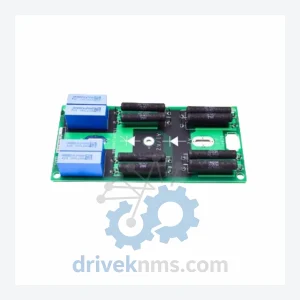
General Electric IS200RCSAG1ABB is listed for Monitoring Systems RFQ review. Confirm quantity, condition and destination before quotation.
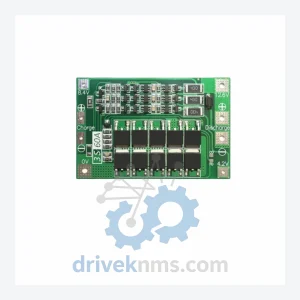
General Electric IS215REBFH1A is listed for Monitoring Systems RFQ review. Confirm quantity, condition and destination before quotation.