
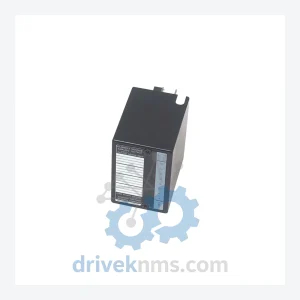
GE IC670ALG330 Analog Output Module – Obsolete Series 90 Micro Spare Part
GE Fanuc IC670ALG330 is listed for Series 90 Micro RFQ review. Confirm quantity, condition and destination before quotation.
RFQ-ready industrial model
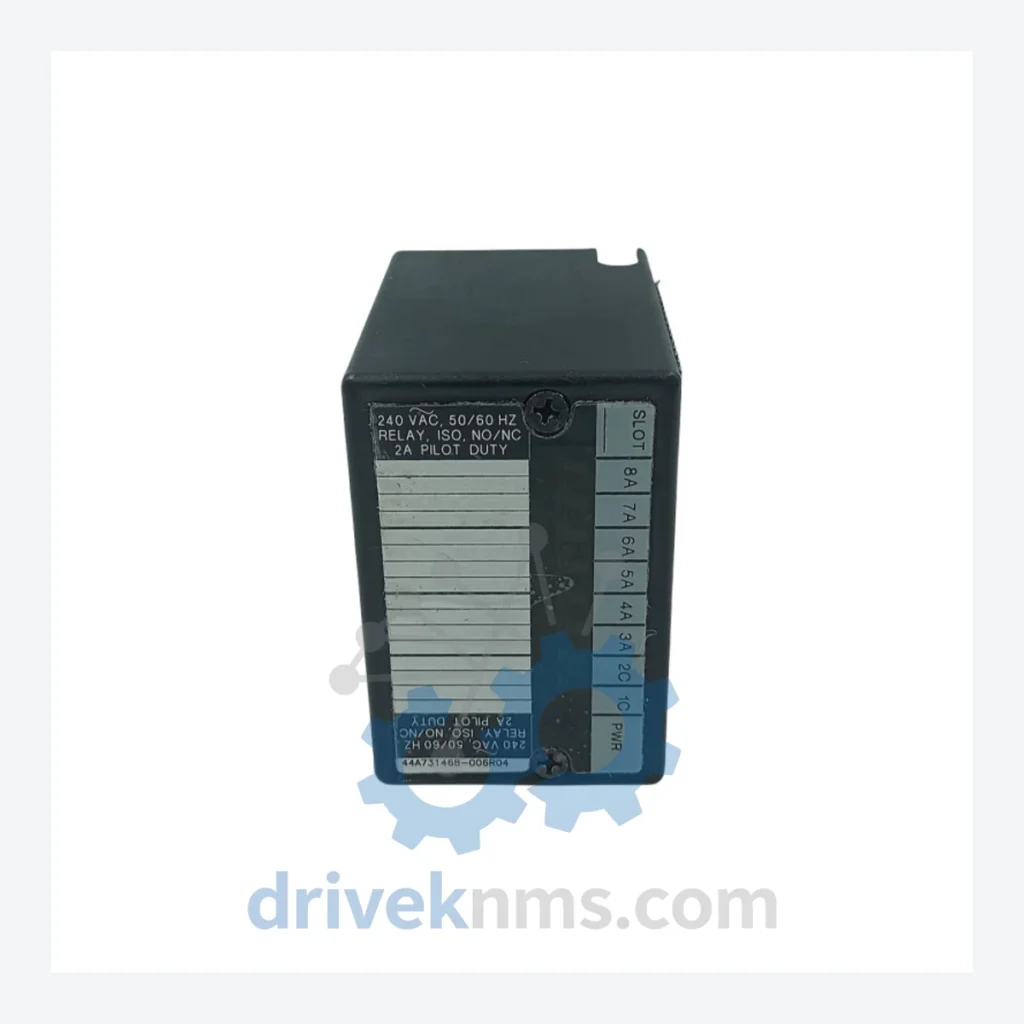
Model: IC670MDL930J
Product Overview
Commercial availability is handled through direct RFQ, model verification and export-oriented follow-up rather than public cart checkout.
Datasheet Preview
Use attached product manuals when available. If the manual is not public yet, request the full file directly through RFQ.
Commercial Path
Product pages on DRIVEKNMS are designed to verify model, brand and series first, then move the buyer into one clean quotation path.
Technical Dossier
RFQ support for obsolete parts: Send the model number, required quantity and destination so DriveKNMS can confirm sourcing options before quotation.
| Parameter | Detail |
|---|---|
| Part Number | IC670MDL930J |
| Manufacturer | GE Fanuc Automation |
| Series | Series 90 Micro (90-30 Micro family) |
| Module Type | Discrete Output Module |
| Output Points | 8 points |
| Output Type | Relay |
| Production Status | Discontinued / Obsolete – No longer manufactured |
| Compatible Systems | GE Fanuc Series 90 Micro PLC (IC670 family) |
| Form Factor | IC670 I/O module footprint |
Note: Electrical parameters not listed above are not independently verified by DriveKNMS. Specifications should be cross-referenced against the original GE Fanuc IC670MDL930J datasheet prior to installation.
The GE Fanuc Series 90 Micro platform was deployed extensively across light manufacturing, water treatment, building automation, and small-scale process control throughout the 1990s and 2000s. Many of these installations remain operational today — not because the hardware is new, but because the control logic embedded in them represents years of tuning, and the cost of replacing a functioning system is difficult to justify to any finance committee.
The IC670MDL930J sits at a critical junction in these systems. As a relay output module, it handles the physical switching of field devices — motors, solenoids, indicators, and actuators. When it fails, the PLC cannot command the process. There is no software workaround. The module must be replaced with an identical unit, or the entire rack must be redesigned around a different I/O architecture — a project that touches wiring, programming, and commissioning simultaneously.
DriveKNMS applies a 5-step inspection protocol to all obsolete modules before they are offered for sale. This process is designed around the specific failure modes that affect aging industrial electronics:
Q: How is condition confirmed before quotation?
A: Available condition, photos, test records and documentation are checked according to the requested model and sourcing channel before a formal RFQ response.
Q: How are RFQ terms confirmed?
A: Quantity, required condition, documentation needs, destination and sourcing route are confirmed during RFQ review before quotation.
Should I buy more than one unit?
For any facility running Series 90 Micro hardware with no planned migration in the next three to five years, holding a minimum of two spare output modules per active rack is a reasonable baseline. The IC670MDL930J is becoming increasingly difficult to source. current sourcing status does not guarantee future availability.
Can this module be used in a different GE PLC family?
The IC670MDL930J is specific to the IC670 (Series 90 Micro) I/O family. It is not compatible with Series 90-30 (IC693) or Series 90-70 (IC697) racks without an adapter, which does not exist as a standard product. Do not attempt cross-family substitution without engineering review.
Continue The Model Path
Move from this exact model into the matching system hub, brand archive, model-family archive or lifecycle sourcing route before sending a final RFQ list.
Related Paths
GE Fanuc IC670ALG330 is listed for Series 90 Micro RFQ review. Confirm quantity, condition and destination before quotation.
GE Fanuc IC670MDL644 is listed for Series 90 Micro RFQ review. Confirm quantity, condition and destination before quotation.
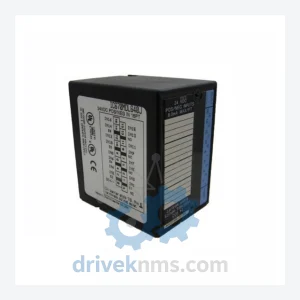
GE Fanuc IC670MDL640 is listed for Series 90 Micro RFQ review. Confirm quantity, condition and destination before quotation.