
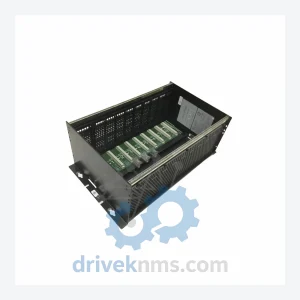
GE Fanuc IC697CHS791J PLC Rack Controller – Series 90-70
GE Fanuc FANUC IC697CHS791J is listed for Series 90-70 RFQ review. Confirm quantity, condition and destination before quotation.
RFQ-ready industrial model
Model: IC693CHS393
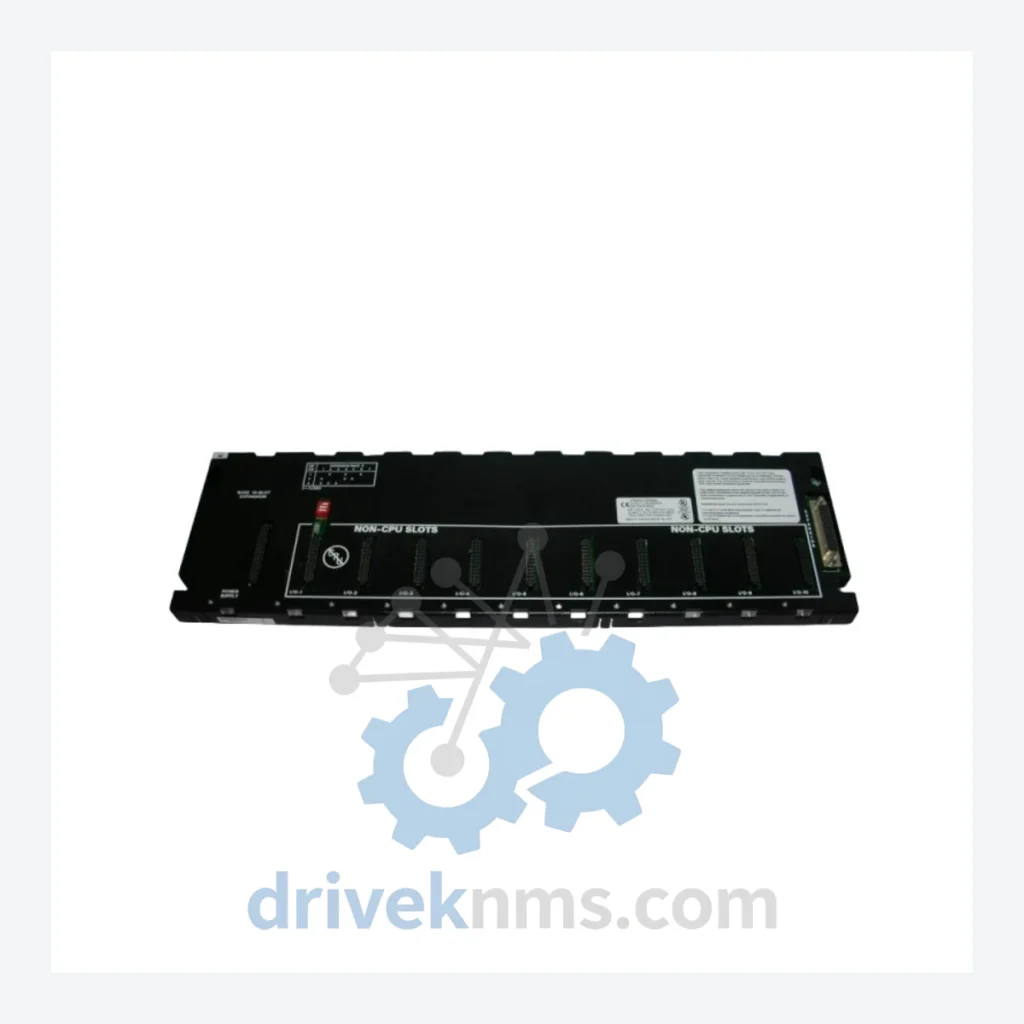
Product Overview
Commercial availability is handled through direct RFQ, model verification and export-oriented follow-up rather than public cart checkout.
Datasheet Preview
Use attached product manuals when available. If the manual is not public yet, request the full file directly through RFQ.
Commercial Path
Product pages on DRIVEKNMS are designed to verify model, brand and series first, then move the buyer into one clean quotation path.
Technical Dossier
The GE Fanuc IC693 series — commercially designated as the Series 90-30 Programmable Logic Controller — represents one of the most widely deployed modular PLC platforms in global heavy industry. Installed across petrochemical refineries, nuclear power auxiliary systems, offshore platforms, pulp and paper mills, and continuous-process chemical plants, the IC693 architecture has maintained an active installed base since its introduction in the late 1980s. Its rack-based, backplane-bus design supports mixed I/O configurations, distributed I/O expansion, and multi-drop serial communications, making it a reference platform for brownfield automation environments where replacement is cost-prohibitive and long-term parts availability is operationally critical.
The IC693 platform was introduced by GE Fanuc Automation as the Series 90-30 in 1988, succeeding the Series Six and Series One product lines. The original architecture used a 5-slot and 10-slot baseplate with a proprietary parallel backplane bus operating at 5 VDC logic levels. Early CPU modules (IC693CPU311, IC693CPU313) offered limited memory and no Ethernet capability; communications were confined to RS-232 and RS-485 serial interfaces via dedicated CMM modules.
Through the 1990s, GE Fanuc expanded the platform with higher-density analog I/O, high-speed counter modules, and the introduction of the IC693CMM321 Ethernet Interface Module, enabling TCP/IP connectivity without replacing the base hardware. The CPU line evolved through the IC693CPU350, IC693CPU360, IC693CPU364, and IC693CPU374, each adding program memory, scan speed improvements, and embedded Ethernet ports on later revisions.
Following GE Fanuc's rebranding to GE Intelligent Platforms (circa 2011) and subsequent acquisition by Emerson (2018, rebranded as Emerson Automation Solutions), the IC693 series entered a managed end-of-life phase. New installations are directed toward the RX3i (IC695) platform, but the IC693 remains in active service globally. Compatibility between IC693 and IC695 is limited to software migration tools; hardware modules are not interchangeable across generations. This lifecycle position makes third-party spare parts sourcing and refurbishment services essential for operators maintaining IC693-based systems.
CPU Modules
Discrete Input Modules
Discrete Output Modules
Analog I/O Modules
Communications Modules
Power Supply Modules
Baseplate / Chassis
The IC693 backplane uses a parallel bus architecture with edge-connector card slots. Backplane bus integrity is a common failure mode in aged installations, particularly in high-vibration or high-humidity environments. DriveKNMS applies the following test protocol to all IC693 modules prior to sale:
Each module is powered in a known-good IC693 test rack. CPU modules are loaded with a diagnostic ladder program that exercises all memory regions, serial ports, and Ethernet interfaces (where present). I/O modules are tested point-by-point using calibrated signal sources and loads. Analog modules are verified against published accuracy specifications using traceable reference instruments. Communications modules are tested for protocol handshake and data throughput on live network segments. All modules are inspected for capacitor condition, connector pin integrity, and conformal coating status. Modules that fail any test stage are quarantined and not offered for sale.
Continue The Model Path
Move from this exact model into the matching system hub, brand archive, model-family archive or lifecycle sourcing route before sending a final RFQ list.
Related Paths
GE Fanuc FANUC IC697CHS791J is listed for Series 90-70 RFQ review. Confirm quantity, condition and destination before quotation.
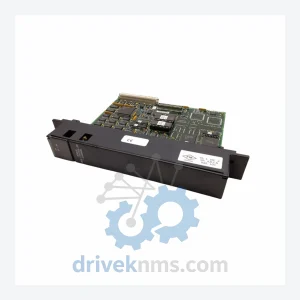
GE Fanuc FANUC IC697BEM733 is listed for Series 90-70 RFQ review. Confirm quantity, condition and destination before quotation.
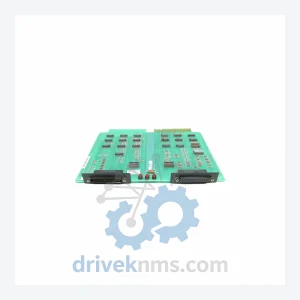
GE Fanuc FANUC IC600BF800 is listed for Series Six RFQ review. Confirm quantity, condition and destination before quotation.