
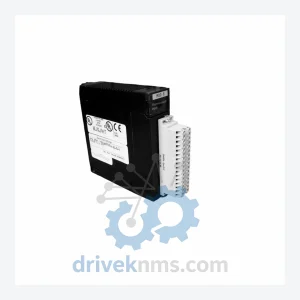
GE HE693THM166E Memory Ethernet Module – Series 90-30
GE Fanuc HE693THM166E is listed for Series 90-30 RFQ review. Confirm quantity, condition and destination before quotation.
RFQ-ready industrial model
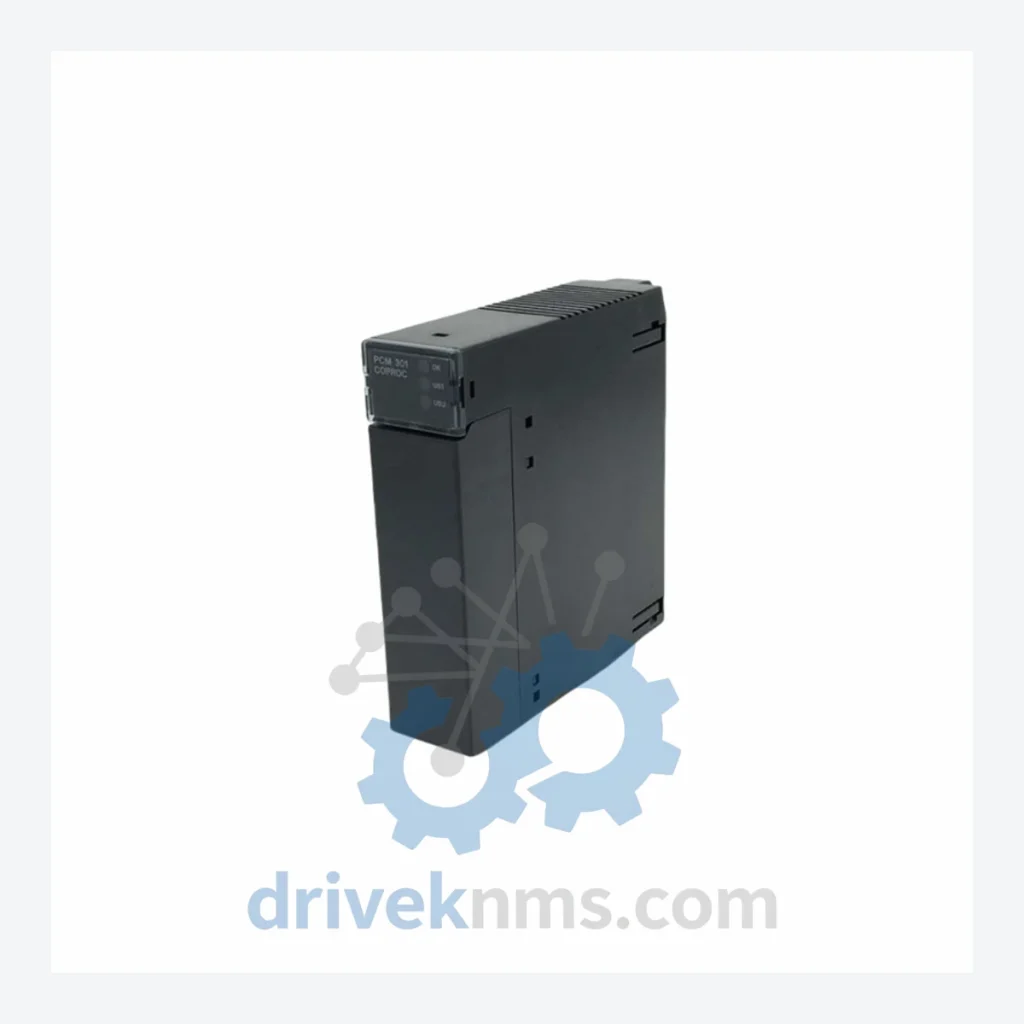
Model: IC693PCM301
Product Overview
Commercial availability is handled through direct RFQ, model verification and export-oriented follow-up rather than public cart checkout.
Datasheet Preview
Use attached product manuals when available. If the manual is not public yet, request the full file directly through RFQ.
Commercial Path
Product pages on DRIVEKNMS are designed to verify model, brand and series first, then move the buyer into one clean quotation path.
Technical Dossier
DriveKNMS reviews sourcing options for discontinued components through RFQ handling before quotation.
RFQ support for obsolete parts: Send the model number, required quantity and destination so DriveKNMS can confirm sourcing options before quotation.
The GE Series 90-30 platform was the backbone of discrete and process manufacturing automation from the late 1980s through the 2000s. Tens of thousands of these systems remain in active service across automotive, food and beverage, water treatment, and chemical processing facilities worldwide. The IC693PCM301 Programmable Coprocessor Module occupies a specific and non-trivial role within this architecture: it offloads computationally intensive tasks — custom ladder logic execution, serial device interfacing, and co-processing routines — from the main CPU, allowing the primary controller to maintain deterministic scan times.
No current-generation GE (now Emerson) PLC module is a direct drop-in replacement for the IC693PCM301. Migrating away from it requires re-engineering the coprocessor application code, re-mapping serial device communications, and re-validating the entire control program — a process that typically consumes 3 to 6 months of engineering time before a single line of production resumes. For plant managers operating under capital expenditure constraints or facing regulatory re-validation requirements, this is not a viable near-term option.
The IC693PCM301 is representative of a broader class of obsolete control hardware where the cost of replacement far exceeds the cost of maintenance. The following strategy applies directly to Series 90-30 installations and to legacy PLC environments generally:
3. Implement a scheduled inspection cycle. Electrolytic capacitors in modules of this age degrade predictably. A biennial inspection — checking for capacitor bulging, PCB discoloration, and connector pin oxidation — allows planned replacement before failure, not after.
4. Maintain firmware version records. The IC693PCM301 runs firmware that must be compatible with the host CPU firmware version. Document the current firmware revision on every installed module. When sourcing a replacement, verify firmware compatibility before installation.
5. Negotiate a long-term supply agreement. Secondary market inventory of discontinued GE Fanuc modules is finite and diminishing. Facilities with multi-site Series 90-30 installations should consider consolidating procurement through a single verified supplier to secure consistent access and pricing.
Executed consistently, this approach extends the productive life of a Series 90-30 installation by 5 to 10 years beyond the point at which unmanaged hardware attrition would otherwise force a migration.
Sourcing a discontinued module from the secondary market carries inherent risk. DriveKNMS applies a structured 5-step qualification process to every IC693PCM301 unit before it is offered for sale:
Step 1 – Visual and mechanical inspection. Full examination of the PCB surface, backplane connector pins, and module housing. Units with physical damage, corrosion, or evidence of field repair are rejected at this stage.
Step 2 – Electrolytic capacitor assessment. Capacitor aging is the primary failure mode in modules of this vintage. Each unit is inspected for capacitor bulging, electrolyte leakage, and ESR deviation. Units with degraded capacitors are either recapped by qualified technicians or rejected.
Step 3 – Firmware version verification. The installed firmware revision is documented and cross-referenced against known compatibility matrices for Series 90-30 CPU modules. Firmware version is disclosed to the buyer prior to shipment.
Step 4 – Functional power-on test. Each module is powered and tested for correct initialization and communication response on the Series 90-30 backplane.
Step 5 – Connector and pin integrity check. Backplane connector pins are inspected under magnification for oxidation, bending, and contact resistance. Pins are cleaned and treated where required.
Units that complete all five steps are classified as Tested Serviceable. Condition grade is disclosed on every order confirmation.
The IC693PCM301 installs directly into any compatible Series 90-30 rack slot without hardware modification. It does not require changes to the host CPU configuration or the main control program, provided the replacement unit carries a compatible firmware revision. There is no requirement for PLC re-programming, re-commissioning, or third-party engineering involvement in a standard swap scenario.
This drop-in replacement characteristic is the defining operational advantage of sourcing a verified spare over pursuing a system migration. The engineering cost of a like-for-like module swap is measured in hours. The engineering cost of migrating away from the Series 90-30 architecture is measured in months and hundreds of thousands of dollars.
How do I know the unit is genuine and not counterfeit?
All IC693PCM301 units sourced by DriveKNMS are inspected for authenticity markers including correct PCB revision markings, GE Fanuc component labeling, and backplane connector specifications consistent with factory production. Counterfeit GE Fanuc modules are present in the secondary market; our inspection process is specifically designed to identify and reject them.
Can you supply other Series 90-30 modules?
Yes. DriveKNMS maintains inventory across the Series 90-30 product family. Contact us with your full bill of materials for a consolidated quotation.
Continue The Model Path
Move from this exact model into the matching system hub, brand archive, model-family archive or lifecycle sourcing route before sending a final RFQ list.
Related Paths
GE Fanuc HE693THM166E is listed for Series 90-30 RFQ review. Confirm quantity, condition and destination before quotation.
GE Fanuc IC609SJR100C is listed for Series 90-30 RFQ review. Confirm quantity, condition and destination before quotation.
GE Fanuc IC693UDR005FP1 is listed for Series 90-30 RFQ review. Confirm quantity, condition and destination before quotation.