
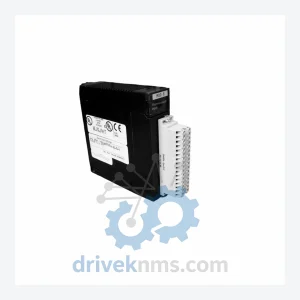
GE HE693THM166E Memory Ethernet Module – Series 90-30
GE Fanuc HE693THM166E is listed for Series 90-30 RFQ review. Confirm quantity, condition and destination before quotation.
RFQ-ready industrial model
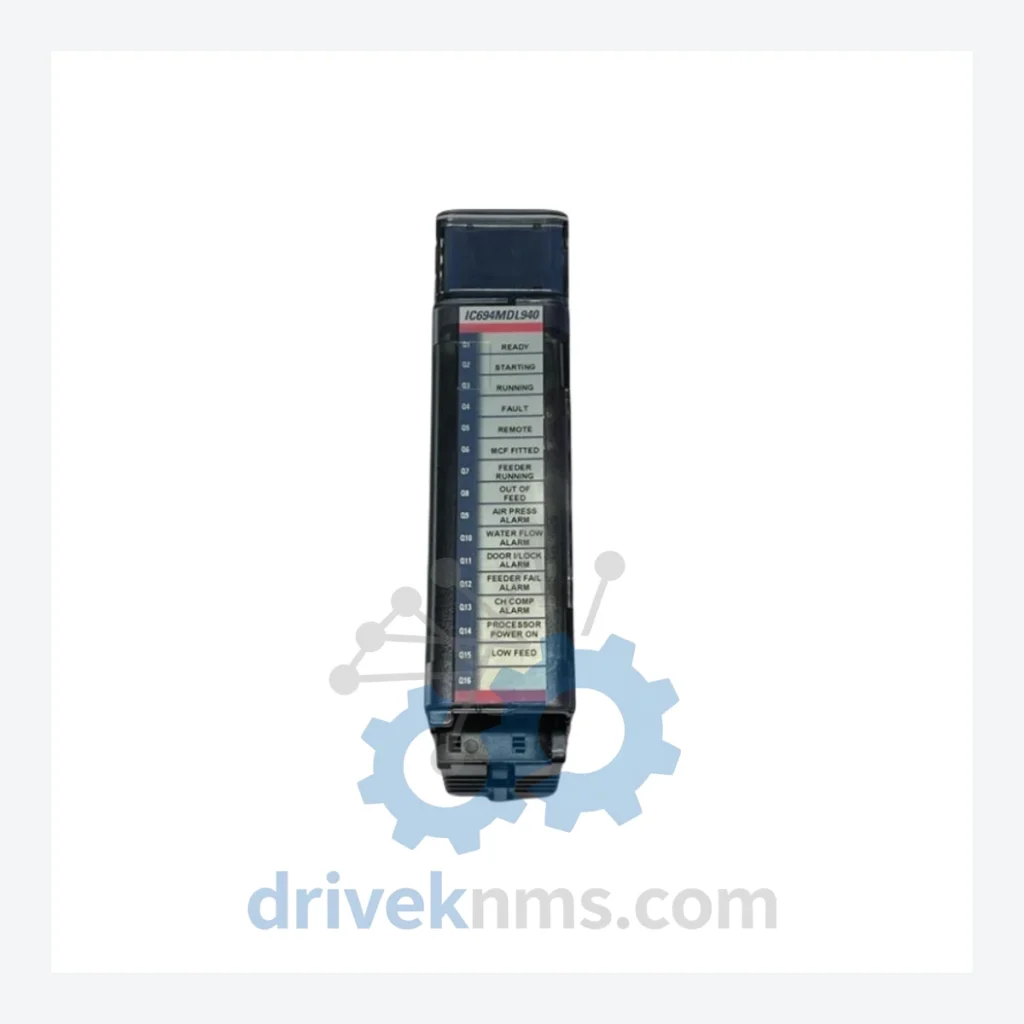
Model: IC694MDL940F
Product Overview
Commercial availability is handled through direct RFQ, model verification and export-oriented follow-up rather than public cart checkout.
Datasheet Preview
Use attached product manuals when available. If the manual is not public yet, request the full file directly through RFQ.
Commercial Path
Product pages on DRIVEKNMS are designed to verify model, brand and series first, then move the buyer into one clean quotation path.
Technical Dossier
DriveKNMS reviews sourcing options for discontinued components through RFQ handling before quotation.
RFQ support for obsolete parts: Send the model number, required quantity and destination so DriveKNMS can confirm sourcing options before quotation.
| Parameter | Detail |
|---|---|
| Part Number | IC694MDL940F |
| Manufacturer | GE Fanuc (now Emerson / Proficy) |
| Series | Series 90-30 (90-30 PLC) |
| Module Type | Discrete Output Module |
| Output Points | 16 outputs |
| Output Voltage | 12–24 VDC |
| Output Current | 0.5 A per point |
| Isolation | Optical isolation between field and logic side |
| Backplane Compatibility | Series 90-30 5-slot, 10-slot, and expansion racks |
| Discontinuation Status | Officially discontinued by GE Fanuc / Emerson. No longer manufactured. Replacement requires platform migration without legacy spares. |
| Country of Origin | United States |
The GE Fanuc Series 90-30 platform was deployed extensively across discrete manufacturing, water treatment, material handling, and process industries throughout the 1990s and 2000s. Many of these installations remain operational today — not because of inertia, but because the control logic embedded in them represents decades of process-specific tuning that cannot be trivially migrated.
The IC694MDL940F sits at the field interface layer of these systems. It translates PLC logic commands into physical switching actions for actuators, solenoids, motor starters, and relay coils. When this module degrades — through capacitor aging, contact wear, or firmware corruption — the affected outputs go silent. Depending on the process, that silence can mean an unplanned shutdown, a safety interlock failure, or a production loss event measured in hours or shifts.
The IC694MDL940F is no longer manufactured. Secondary market availability is declining. Each passing quarter reduces the probability of sourcing a verified unit at a reasonable price point.
Every IC694MDL940F unit processed by DriveKNMS passes a five-stage inspection protocol before it is offered for sale:
Units that do not pass all five stages are not offered for sale. Condition grade (New Surplus, Refurbished, or Tested Used) is disclosed at point of inquiry.
For plant engineering and maintenance managers operating legacy GE Fanuc Series 90-30 infrastructure, the following approach has been validated across multiple industrial facilities as a cost-effective alternative to premature platform retirement:
1. Conduct a module criticality audit. Map every I/O module in your Series 90-30 installation against the process functions it controls. Identify which modules, if failed, would cause a line stop versus a degraded-mode condition. The IC694MDL940F, as a discrete output driver, typically falls into the line-stop category for any process with actuator or motor starter dependencies.
3. Implement a scheduled module rotation. Rather than running modules to failure, rotate spare units into service on a defined cycle (typically 3–5 years for output modules in moderate-duty applications). The removed unit becomes the new spare after inspection and recertification. This approach distributes wear across your spare pool and provides early warning of platform-wide aging trends.
4. Document firmware and configuration baselines. Maintain a current backup of all PLC program files, configuration data, and I/O table assignments. In the event of a module failure, a documented baseline eliminates ambiguity during the replacement procedure and reduces mean time to repair.
5. Engage a verified secondary market supplier. Not all secondary market sources apply consistent quality controls to discontinued industrial hardware. Establish a relationship with a supplier that can provide condition disclosure, test documentation, and consistent availability — before you need an emergency replacement.
Facilities that implement this framework consistently report platform service life extensions of five to ten years beyond the original OEM end-of-life date, with maintenance costs that remain well below the annualized cost of a platform migration project.
How do I confirm the unit is genuine and not a counterfeit?
All units are sourced through documented supply channels. Physical markings, board revision codes, and component profiles are cross-referenced against known-good reference units. Counterfeit screening is part of our standard intake process.
What if my specific rack configuration requires a different firmware revision?
Firmware compatibility questions should be raised before purchase. Provide your CPU model and current firmware version and we will cross-reference against available unit revisions prior to shipment.
Continue The Model Path
Move from this exact model into the matching system hub, brand archive, model-family archive or lifecycle sourcing route before sending a final RFQ list.
Related Paths
GE Fanuc HE693THM166E is listed for Series 90-30 RFQ review. Confirm quantity, condition and destination before quotation.
GE Fanuc IC609SJR100C is listed for Series 90-30 RFQ review. Confirm quantity, condition and destination before quotation.
GE Fanuc IC693PCM301 is listed for Series 90-30 RFQ review. Confirm quantity, condition and destination before quotation.