
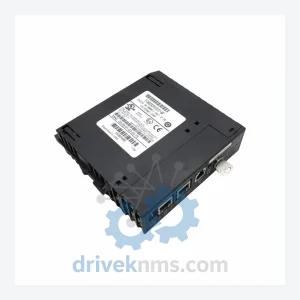
GE Fanuc Series 90-70 Modules – IC697CHS783E Power Supply
GE Fanuc FANUC IC697CHS783E is listed for Series 90-70 RFQ review. Confirm quantity, condition and destination before quotation.
RFQ-ready industrial model
Model: IC697BEM713G
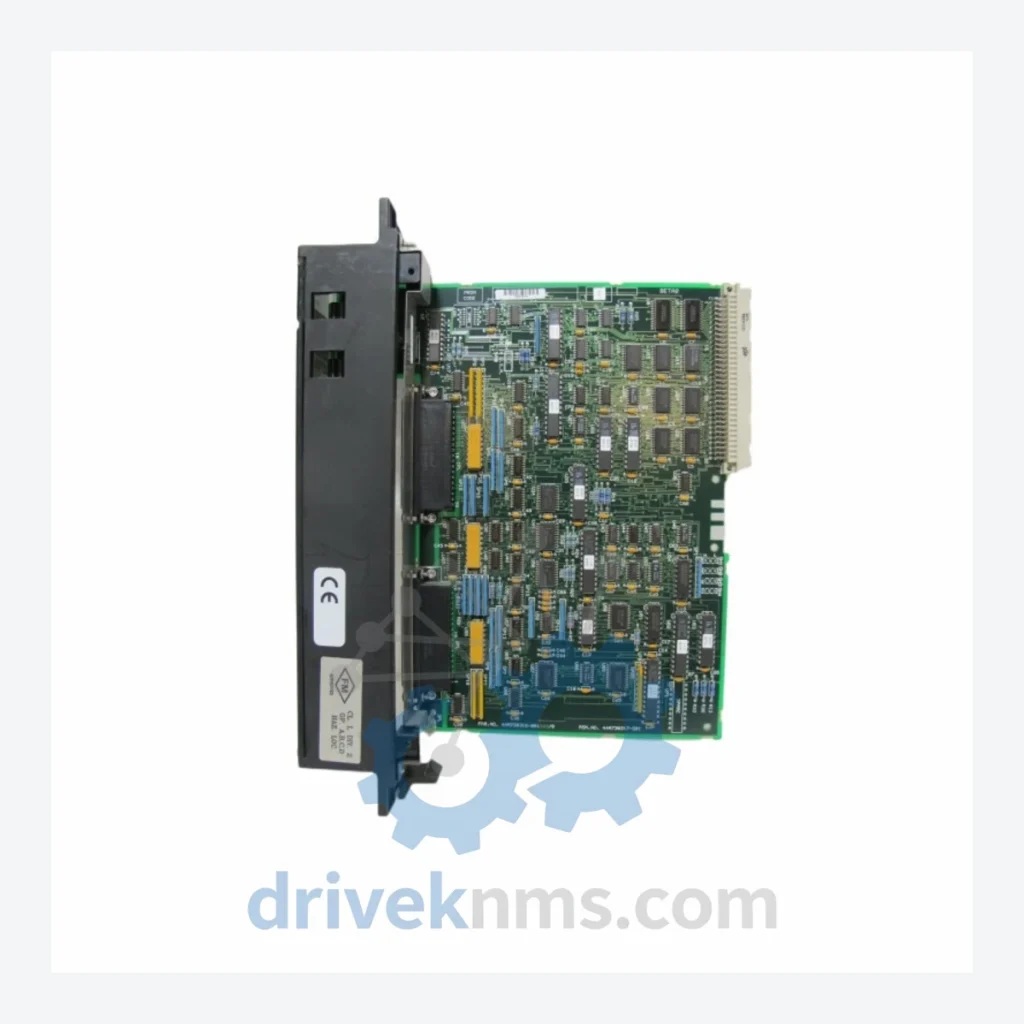
Product Overview
Commercial availability is handled through direct RFQ, model verification and export-oriented follow-up rather than public cart checkout.
Datasheet Preview
Use attached product manuals when available. If the manual is not public yet, request the full file directly through RFQ.
Commercial Path
Product pages on DRIVEKNMS are designed to verify model, brand and series first, then move the buyer into one clean quotation path.
Technical Dossier
DriveKNMS maintains a dedicated inventory of Series 90-70 modules, including models that GE Fanuc (now part of Emerson) has formally discontinued. This page serves as a reference index for procurement engineers, maintenance managers, and reliability teams who need to identify, verify, and source specific IC697 part numbers.
GE Fanuc introduced the Series 90-70 platform in the late 1980s as a high-end, rack-based PLC system designed to compete with Siemens S5 and Allen-Bradley PLC-5 in large-process and hybrid applications. The architecture is built around a VME-derived backplane bus, with modules communicating over a proprietary high-speed serial bus (Genius Bus) and a parallel backplane.
Early generations (circa 1989–1995) used the IC697CPM915 and IC697CPU731 processors, which relied on battery-backed CMOS RAM for program storage. Mid-generation CPUs (IC697CPU771, IC697CPU781) introduced expanded memory and faster scan times. Later revisions added Ethernet connectivity via the IC697CMM742 module. The platform reached end-of-active-development around 2010, with GE transitioning customers toward the PACSystems RX7i — a physically compatible but architecturally distinct successor that shares the same rack form factor but uses a different backplane protocol.
This transition created a compatibility boundary: RX7i CPUs cannot directly execute Series 90-70 ladder logic without conversion, and many Series 90-70 I/O modules are not recognized by RX7i CPUs without specific configuration. Plants that have not migrated remain entirely dependent on original IC697 hardware. The supply chain for these components is finite and shrinking.
CPU & Controller Modules
Discrete Input Modules (DI)
Discrete Output Modules (DO)
Analog Input / Output Modules (AI/AO)
Communications & Bus Modules
Power Supply Modules
GE Fanuc formally ended new production of the majority of IC697 modules. Emerson (which acquired GE's automation division) provides limited repair services for select models, but new-manufacture replacement units are no longer available through standard distribution channels for most part numbers.
For plant managers facing a forced migration timeline driven solely by parts unavailability — not by process requirements — sourcing replacement IC697 modules extends the viable service life of the existing control system by 5 to 10 years. The cost differential between a replacement module and a full system migration is typically two to three orders of magnitude. The engineering case for lifecycle extension is straightforward: defer capital expenditure, maintain process continuity, and execute migration on a planned schedule rather than under emergency conditions.
Series 90-70 modules present specific failure modes that require targeted inspection protocols. DriveKNMS applies the following verification steps to IC697 units prior to dispatch:
Continue The Model Path
Move from this exact model into the matching system hub, brand archive, model-family archive or lifecycle sourcing route before sending a final RFQ list.
Related Paths
GE Fanuc FANUC IC697CHS783E is listed for Series 90-70 RFQ review. Confirm quantity, condition and destination before quotation.
GE Fanuc FANUC IC697CHS791J is listed for Series 90-70 RFQ review. Confirm quantity, condition and destination before quotation.
GE Fanuc FANUC IC697BEM733 is listed for Series 90-70 RFQ review. Confirm quantity, condition and destination before quotation.