
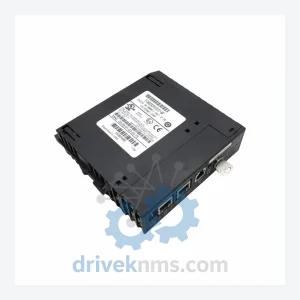
GE Fanuc Series 90-70 Modules – IC697CHS783E Power Supply
GE Fanuc FANUC IC697CHS783E is listed for Series 90-70 RFQ review. Confirm quantity, condition and destination before quotation.
RFQ-ready industrial model
Model: IC697CPM915
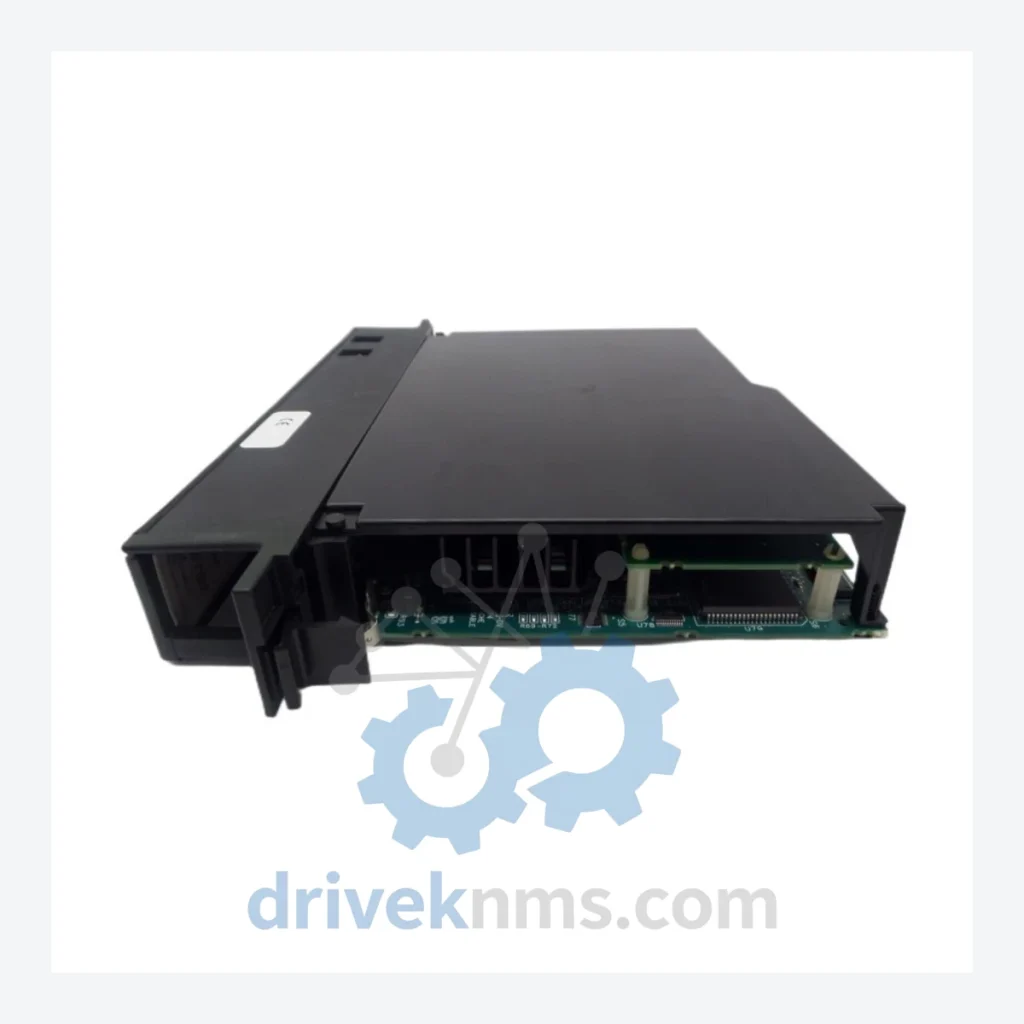
Product Overview
Commercial availability is handled through direct RFQ, model verification and export-oriented follow-up rather than public cart checkout.
Datasheet Preview
Use attached product manuals when available. If the manual is not public yet, request the full file directly through RFQ.
Commercial Path
Product pages on DRIVEKNMS are designed to verify model, brand and series first, then move the buyer into one clean quotation path.
Technical Dossier
The GE Series 90-70 — identified by the IC697 prefix — is a rack-based programmable logic controller platform developed by GE Fanuc Automation (now GE Automation & Controls). Since its commercial introduction in the late 1980s, the Series 90-70 has accumulated a substantial installed base across continuous-process industries including petrochemical refining, nuclear power generation, pulp and paper manufacturing, and large-scale water treatment infrastructure. Its VMEbus-compatible backplane architecture, deterministic scan cycle, and broad I/O density made it the preferred DCS/PLC hybrid for applications requiring high channel counts and long operational continuity. Many facilities running IC697 hardware have operational horizons extending to 2035 and beyond, making lifecycle parts management a critical engineering concern.
The Series 90-70 platform was engineered around a VMEbus-derived backplane that supports up to 21 slots per rack (using the IC697CHS790 and IC697CHS782 chassis). The architecture separates CPU processing from I/O scanning via a dedicated serial backplane bus, allowing modular expansion without CPU cycle degradation.
Generation 1 (1988–1995): Initial CPUs such as the IC697CPU731 and IC697CPU771 operated at clock speeds under 20 MHz with limited ladder logic memory (64K–256K words). These units used battery-backed CMOS RAM for program retention and required the IC697ACC701 memory backup module for extended outages.
Generation 2 (1995–2005): The IC697CPM915 and IC697CPM925 introduced the C-based Motion Processing Unit architecture, integrating motion control and PLC logic into a single module. The CPM series added Ethernet connectivity options and expanded program memory to 512K words. Compatibility with legacy IC697 I/O racks was maintained, enabling in-place CPU upgrades without rewiring.
Generation 3 / Transition (2005–present): GE introduced the PACSystems RX7i (IC698 prefix) as the designated successor to the Series 90-70. The RX7i uses the same 7-slot and 17-slot VME rack form factor and accepts IC697 I/O modules via a compatibility backplane, providing a documented migration path. However, IC697 CPUs and communications modules are not interchangeable with IC698 CPUs. Sites requiring exact form-fit-function replacement must source original IC697 hardware.
Central Processing Units (CPU)
Discrete Input Modules (DI)
Discrete Output Modules (DO)
Analog Input/Output Modules (AI/AO)
Communications & Network Adapters
Power Supply Modules
GE formally transitioned the Series 90-70 to end-of-life (EOL) status, with factory repair and new-manufacture support discontinued for the majority of IC697 CPU and communications modules. DriveKNMS maintains a dedicated inventory of tested IC697 surplus and refurbished modules to support facilities that cannot execute a full platform migration within current capital budgets.
For obsolete modules with no direct replacement (e.g., IC697CMM711 with specific protocol firmware), DriveKNMS provides exchange programs where a customer's failed unit is accepted as a core return against a tested replacement, reducing net acquisition cost.
IC697 modules present specific test challenges due to their VMEbus backplane interface, battery-backed memory circuits, and multi-protocol communications firmware. DriveKNMS applies the following test protocol to all IC697 inventory:
Continue The Model Path
Move from this exact model into the matching system hub, brand archive, model-family archive or lifecycle sourcing route before sending a final RFQ list.
Related Paths
GE Fanuc FANUC IC697CHS783E is listed for Series 90-70 RFQ review. Confirm quantity, condition and destination before quotation.
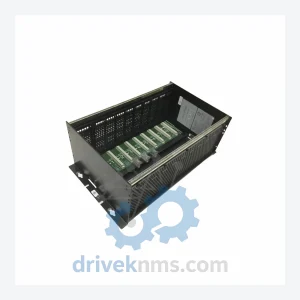
GE Fanuc FANUC IC697CHS791J is listed for Series 90-70 RFQ review. Confirm quantity, condition and destination before quotation.
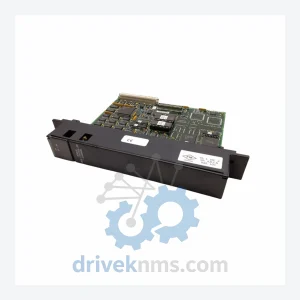
GE Fanuc FANUC IC697BEM733 is listed for Series 90-70 RFQ review. Confirm quantity, condition and destination before quotation.