
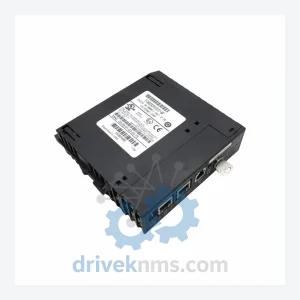
GE Fanuc Series 90-70 Modules – IC697CHS783E Power Supply
GE Fanuc FANUC IC697CHS783E is listed for Series 90-70 RFQ review. Confirm quantity, condition and destination before quotation.
RFQ-ready industrial model
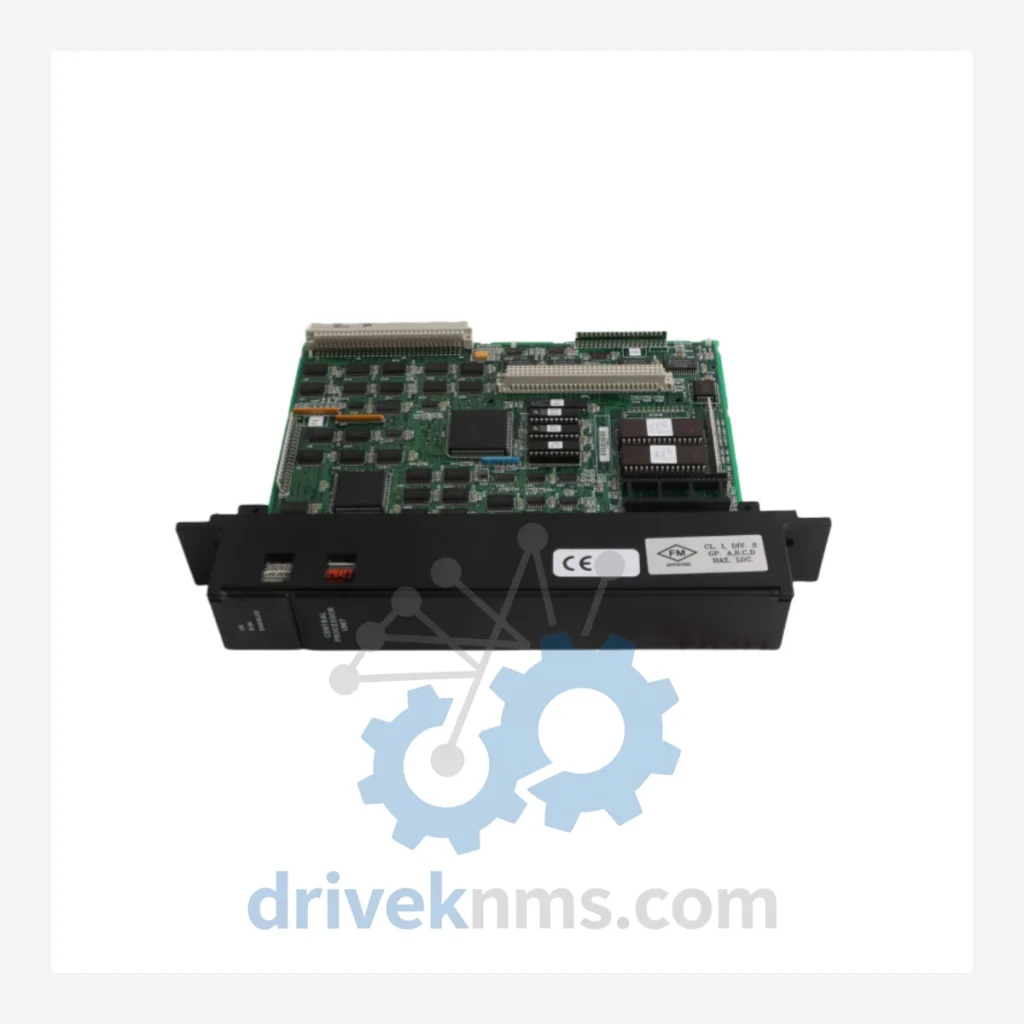
Model: IC697CPU731
Product Overview
Commercial availability is handled through direct RFQ, model verification and export-oriented follow-up rather than public cart checkout.
Datasheet Preview
Use attached product manuals when available. If the manual is not public yet, request the full file directly through RFQ.
Commercial Path
Product pages on DRIVEKNMS are designed to verify model, brand and series first, then move the buyer into one clean quotation path.
Technical Dossier
DriveKNMS reviews sourcing options for this model through RFQ handling before quotation.
RFQ support for obsolete parts: Send the model number, required quantity and destination so DriveKNMS can confirm sourcing options before quotation.
| Parameter | Detail |
|---|---|
| Manufacturer | GE Fanuc (now GE Automation & Controls) |
| Part Number | IC697CPU731 |
| Product Series | Series 90-70 PLC |
| Module Type | Central Processing Unit (CPU) |
| Discontinuation Status | Officially discontinued by GE Fanuc; no longer in production |
| Compatible Backplane | Series 90-70 VME-based backplane (IC697CHS750, IC697CHS782, and compatible) |
| Country of Origin | United States |
Q: How are RFQ terms confirmed?
A: Quantity, required condition, documentation needs, destination and sourcing route are confirmed during RFQ review before quotation.
The IC697CPU731 sits at the core of this platform. Without a functioning CPU module, the entire rack — including all I/O modules, communication cards, and field wiring — becomes inoperable. There is no software workaround. There is no partial degraded mode. The line stops.
Every IC697CPU731 unit processed by DriveKNMS passes a structured five-stage inspection protocol before it is offered for sale. This protocol was developed specifically for discontinued industrial control hardware, where age-related degradation patterns differ from standard electronic components.
Stage 1 – Electrolytic Capacitor Assessment: Capacitor aging is the primary failure mode in legacy PLC hardware. Each unit is inspected for capacitor bulging, electrolyte leakage, and ESR deviation. Units with compromised capacitors are either reconditioned with verified replacements or removed from saleable inventory.
Stage 2 – Firmware Version Verification: The IC697CPU731 was produced across multiple firmware revisions. The firmware version is documented and disclosed to the buyer prior to shipment. Compatibility with the target system's software version is the buyer's responsibility to confirm, and DriveKNMS provides version data to support that assessment.
Stage 3 – Pin and Connector Inspection: Backplane connector pins are inspected under magnification for corrosion, bending, and mechanical damage. Corroded pins are a common failure point in modules that have been stored in non-climate-controlled environments.
Stage 4 – Board-Level Visual Inspection: PCB surfaces are examined for cracked traces, burn marks, flux residue, and signs of prior unauthorized repair. Units showing evidence of field repair without documentation are quarantined.
This matters because the alternative — migrating to a current-generation PLC platform — is not a simple hardware swap. It requires new hardware procurement, software migration and validation, I/O rewiring or adapter engineering, operator retraining, and a commissioning period during which production capacity is reduced or eliminated. Engineering firms routinely quote 6 to 18 months for a full Series 90-70 migration project. A spare IC697CPU731 eliminates that timeline entirely for the duration of the module's service life.
For facilities with a defined end-of-life horizon for their Series 90-70 systems — say, a planned migration in 3 to 7 years — holding one or two spare CPU modules is a low-cost insurance policy that preserves operational continuity until the migration is executed on the facility's schedule, not on the schedule imposed by an unplanned failure.
A structured spare parts strategy for legacy PLC systems typically covers three categories: CPU modules (the IC697CPU731 being the highest-criticality item), power supply modules, and high-density I/O modules with known failure histories. Holding verified spares in each category, combined with a documented restoration procedure, converts a potential multi-week outage into a same-shift recovery event.
Q: Can you support multi-unit or repeat RFQ requests?
A: Yes. Send the model list, target quantity and destination so DRIVEKNMS can review sourcing options and quote the requirement as a project RFQ.
Continue The Model Path
Move from this exact model into the matching system hub, brand archive, model-family archive or lifecycle sourcing route before sending a final RFQ list.
Related Paths
GE Fanuc FANUC IC697CHS783E is listed for Series 90-70 RFQ review. Confirm quantity, condition and destination before quotation.
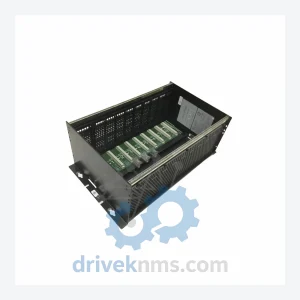
GE Fanuc FANUC IC697CHS791J is listed for Series 90-70 RFQ review. Confirm quantity, condition and destination before quotation.
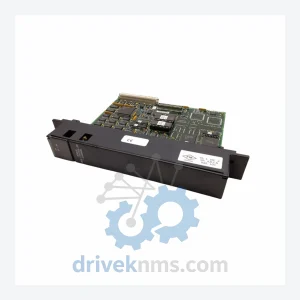
GE Fanuc FANUC IC697BEM733 is listed for Series 90-70 RFQ review. Confirm quantity, condition and destination before quotation.