
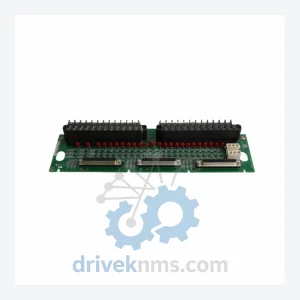
GE Fanuc IS200TBCIS2CCD I/O Terminal Board – Mark VI Redundant Control System
GE Fanuc IS200TBCIS2CCD is listed for Mark VI RFQ review. Confirm quantity, condition and destination before quotation.
RFQ-ready industrial model
Model: IS200AEPCH1ABC IS200BPPBH2BJD
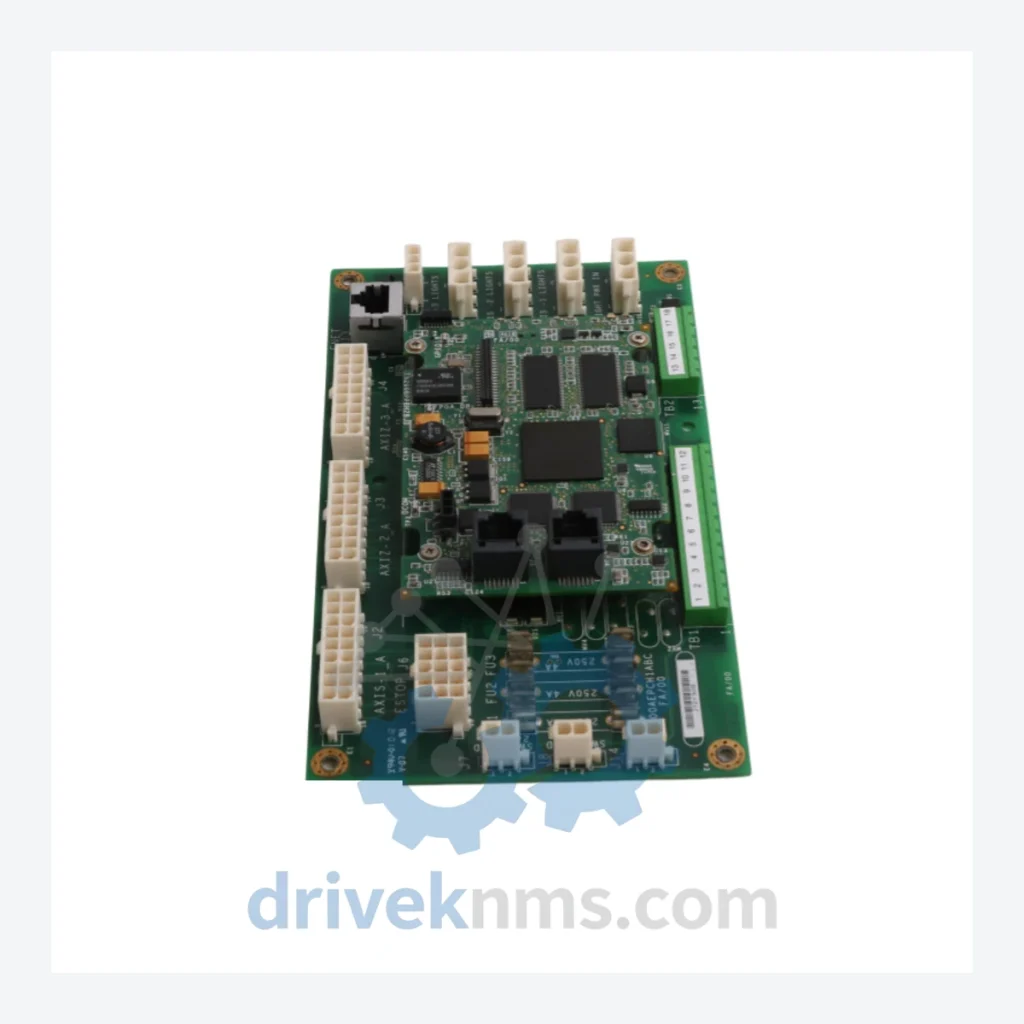
Product Overview
Commercial availability is handled through direct RFQ, model verification and export-oriented follow-up rather than public cart checkout.
Datasheet Preview
Use attached product manuals when available. If the manual is not public yet, request the full file directly through RFQ.
Commercial Path
Product pages on DRIVEKNMS are designed to verify model, brand and series first, then move the buyer into one clean quotation path.
Technical Dossier
DriveKNMS reviews sourcing options for this model through RFQ handling before quotation.
RFQ support for obsolete parts: Send the model number, required quantity and destination so DriveKNMS can confirm sourcing options before quotation.
| Part Number A | IS200AEPCH1ABC |
|---|---|
| Part Number B | IS200BPPBH2BJD |
| Manufacturer | GE (General Electric) |
| Series / Platform | Mark VI Turbine Control System |
| Module Function | I/O Interface / Excitation Power Board Assembly |
| Discontinuation Status | Confirmed Obsolete – No longer in GE production |
| Compatible Systems | GE Mark VI, Mark VI-e (legacy configurations) |
| Country of Origin | United States |
| Condition Available | New surplus / Professionally refurbished |
The GE Mark VI was deployed extensively throughout the 1990s and 2000s in gas turbine, steam turbine, and combined-cycle power generation applications. Facilities that invested in this platform built their operational logic, alarm structures, and maintenance procedures around it. The control architecture is deeply embedded — not just in hardware, but in institutional knowledge.
GE's transition to the Mark VIe and subsequent platforms left a large installed base of Mark VI systems without a clear upgrade path that preserves existing I/O wiring, HMI configurations, and turbine sequencing logic. The IS200AEPCH1ABC and IS200BPPBH2BJD boards sit within the I/O and power distribution layers of this architecture. Their failure directly interrupts turbine start sequences, protection relay communication, and real-time sensor feedback loops.
For plant managers facing retirement pressure on aging turbine control systems, the calculus is straightforward: a verified spare part at a fraction of a percent of system replacement cost buys 5 to 10 additional years of reliable operation. That window is sufficient to plan a controlled, budgeted migration — rather than an emergency one triggered by an unplanned failure.
Extending asset life on a Mark VI system requires a disciplined approach to three areas. First, maintain a minimum two-unit buffer of every I/O board in active service — not just the boards that have failed before, but those that are statistically due. Second, establish a periodic inspection cycle targeting electrolytic capacitor condition, backplane connector oxidation, and firmware version consistency across redundant controllers. Third, document every board swap with before/after diagnostics to build a failure pattern database that informs future procurement decisions. These three practices, applied consistently, are what separate facilities that manage Mark VI longevity from those that are forced into emergency capital expenditure.
Every IS200AEPCH1ABC and IS200BPPBH2BJD unit processed by DriveKNMS passes through a structured five-step quality protocol before it is offered for sale.
Q: How are RFQ terms confirmed?
A: Quantity, required condition, documentation needs, destination and sourcing route are confirmed during RFQ review before quotation.
Step 2 – Electrolytic Capacitor Assessment: Capacitors are the primary failure point in boards of this age. Each unit is evaluated for capacitor bulging, leakage, and ESR deviation. Where degradation is confirmed, capacitors are replaced with specification-matched components.
Step 3 – Firmware Version Verification: The firmware revision is read and documented. Compatibility with the target Mark VI rack configuration is confirmed before dispatch review. Mismatched firmware versions are flagged and resolved prior to dispatch.
Step 4 – Pin and Connector Corrosion Audit: All edge connectors and I/O pins are inspected under magnification for oxidation and contact resistance. Affected contacts are treated or the unit is rejected.
The IS200AEPCH1ABC and IS200BPPBH2BJD are direct drop-in replacements for failed units within the same Mark VI rack configuration. No reprogramming of the turbine control logic is required. No modification to existing I/O wiring is necessary. The replacement procedure follows standard GE Mark VI board swap protocols, which are within the competency of any qualified controls technician familiar with the platform.
For facilities maintaining multiple Mark VI-controlled turbines, stocking these boards as cold spares is a straightforward risk mitigation measure. The cost of holding two spare boards is measured in thousands. The cost of a turbine forced offline pending a part search is measured in lost generation revenue per day.
Continue The Model Path
Move from this exact model into the matching system hub, brand archive, model-family archive or lifecycle sourcing route before sending a final RFQ list.
Related Paths
GE Fanuc IS200TBCIS2CCD is listed for Mark VI RFQ review. Confirm quantity, condition and destination before quotation.
General Electric DS200TBQDG1AFF is listed for Mark VI RFQ review. Confirm quantity, condition and destination before quotation.
General Electric DS200DTBDG1ABB is listed for Mark VI RFQ review. Confirm quantity, condition and destination before quotation.