
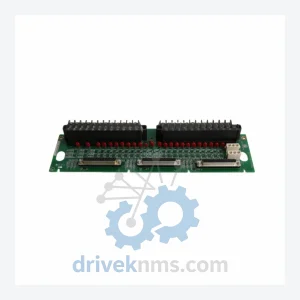
GE Fanuc IS200TBCIS2CCD I/O Terminal Board – Mark VI Redundant Control System
GE Fanuc IS200TBCIS2CCD is listed for Mark VI RFQ review. Confirm quantity, condition and destination before quotation.
RFQ-ready industrial model
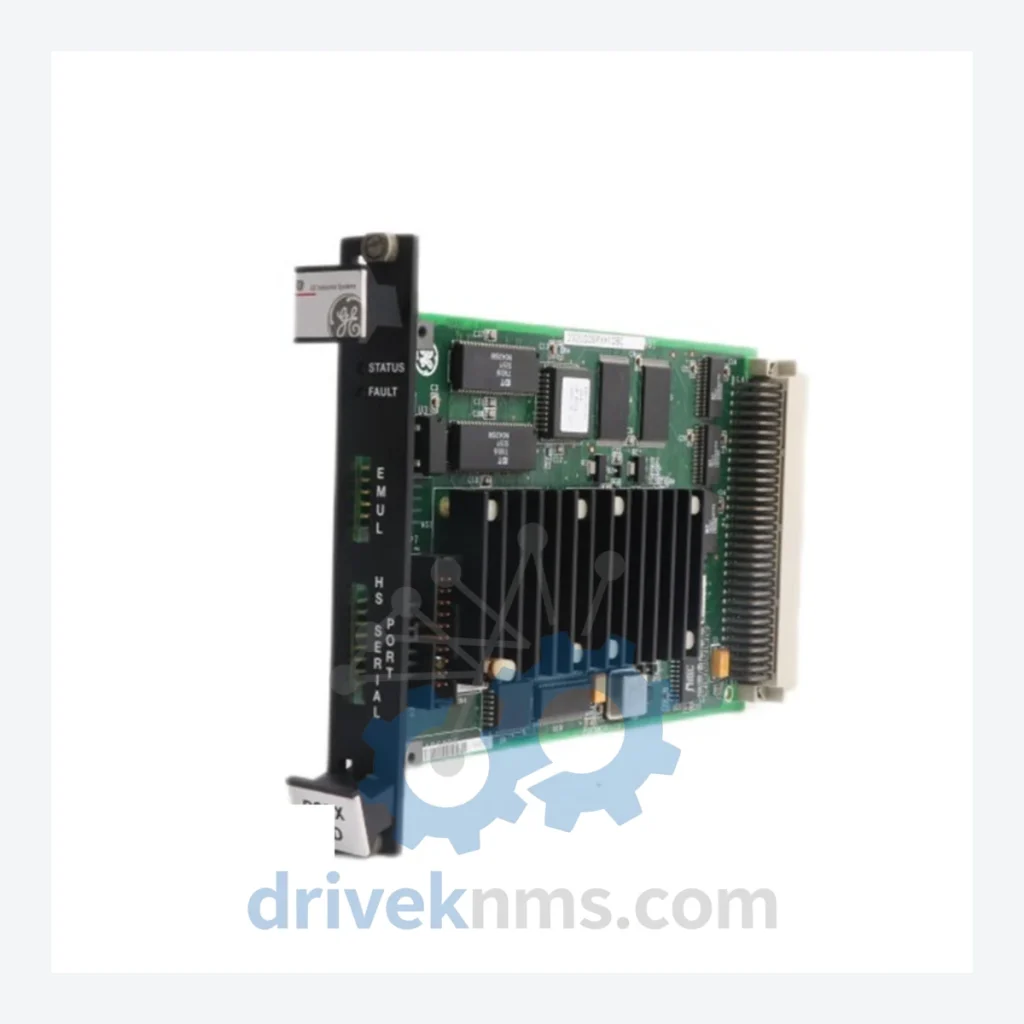
Model: IS200DSPXH1D IS200DSPXH1DBC
Product Overview
Commercial availability is handled through direct RFQ, model verification and export-oriented follow-up rather than public cart checkout.
Datasheet Preview
Use attached product manuals when available. If the manual is not public yet, request the full file directly through RFQ.
Commercial Path
Product pages on DRIVEKNMS are designed to verify model, brand and series first, then move the buyer into one clean quotation path.
Technical Dossier
The IS200DSPXH1D (board revision IS200DSPXH1DBC) is a discontinued component. GE ceased active production and support for the Mark VI platform years ago. The secondary market supply of this specific DSP board is finite and continues to shrink. DriveKNMS maintains RFQ-reviewed sourcing status of this board. Securing a unit now is a direct investment in the operational continuity of your existing asset.
RFQ support for obsolete parts: Send the model number, required quantity and destination so DriveKNMS can confirm sourcing options before quotation.
| Parameter | Detail |
|---|---|
| Manufacturer | GE (General Electric) |
| Part Number | IS200DSPXH1D |
| Board Revision | IS200DSPXH1DBC |
| Product Series | Mark VI Turbine Control System |
| Function | Digital Signal Processor (DSP) Board |
| Platform Compatibility | GE Mark VI, Mark VIe (verify application before ordering) |
| Discontinuation Status | Obsolete – No longer manufactured or supported by OEM |
| Country of Origin | United States |
| Condition Available | New surplus / Professionally refurbished |
Note: Electrical parameters specific to this board revision are not published in open documentation. DriveKNMS does not fabricate specifications. Contact our technical team for application-specific verification.
The GE Mark VI control system was the backbone of gas turbine, steam turbine, and combined-cycle plant automation for over two decades. Thousands of units remain in active service globally. The OEM has moved its support focus entirely to the Mark VIe and Mark VIeS platforms, leaving Mark VI operators in a position where every failed board is a procurement emergency rather than a routine maintenance event.
The IS200DSPXH1D is the central signal processing unit within the Mark VI I/O and control architecture. Its failure does not produce a degraded operating mode. It produces a system fault that prevents turbine operation entirely. There is no software patch, no firmware workaround, and no cross-compatible substitute from the current GE product catalog.
For plant managers facing pressure to retire aging Mark VI systems, the financial case for maintaining the existing platform — provided critical spare parts remain available — is straightforward. A Mark VI to Mark VIe migration involves not only hardware replacement but full I/O rewiring, application software conversion, factory acceptance testing, and site commissioning. Conservative project timelines run 18 to 36 months. During that window, the existing system must remain operational. A single IS200DSPXH1D board, secured in advance, can prevent an unplanned outage that collapses that entire project timeline into a crisis.
The strategy is not complicated: identify the boards with no redundancy and no on-site spare, source them while secondary market supply still exists, and store them in controlled conditions. This is asset protection, not procurement excess.
DriveKNMS applies a 5-step quality assurance process to all refurbished units of this board before dispatch review:
New surplus units are stored in anti-static packaging in a climate-controlled environment and are shipped with full ESD protection.
Q: How are RFQ terms confirmed?
A: Quantity, required condition, documentation needs, destination and sourcing route are confirmed during RFQ review before quotation.
Q: Should I buy more than one unit?
A: For any facility operating more than one Mark VI system, holding a minimum of two IS200DSPXH1D boards is a defensible maintenance position. Secondary market availability of this board will not improve over time. Procurement decisions made today reflect the supply reality of the next five years, not just the next service interval.
Continue The Model Path
Move from this exact model into the matching system hub, brand archive, model-family archive or lifecycle sourcing route before sending a final RFQ list.
Related Paths
GE Fanuc IS200TBCIS2CCD is listed for Mark VI RFQ review. Confirm quantity, condition and destination before quotation.
General Electric DS200LDCCH1ALA DS200LDCCH1 is listed for Mark VI RFQ review. Confirm quantity, condition and destination before quotation.
General Electric IS200EGDMH1A IS200EGDMH1AAB is listed for Mark VI RFQ review. Confirm quantity, condition and destination before quotation.