
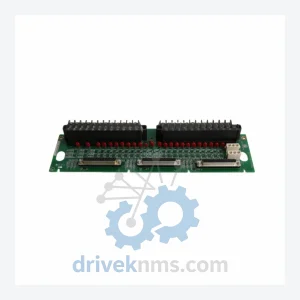
GE Fanuc IS200TBCIS2CCD I/O Terminal Board – Mark VI Redundant Control System
GE Fanuc IS200TBCIS2CCD is listed for Mark VI RFQ review. Confirm quantity, condition and destination before quotation.
RFQ-ready industrial model
Model: IS200EPDMG1B IS200EPDMG1BAA
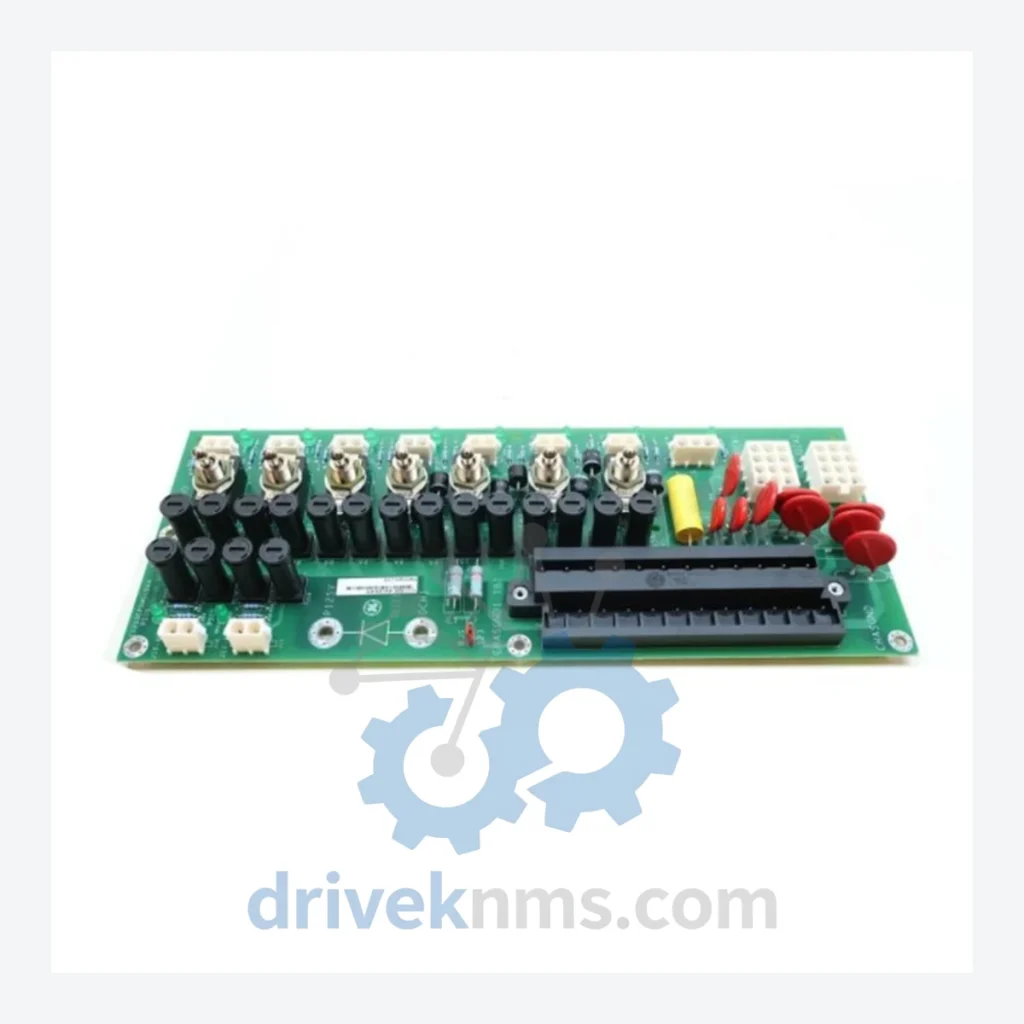
Product Overview
Commercial availability is handled through direct RFQ, model verification and export-oriented follow-up rather than public cart checkout.
Datasheet Preview
Use attached product manuals when available. If the manual is not public yet, request the full file directly through RFQ.
Commercial Path
Product pages on DRIVEKNMS are designed to verify model, brand and series first, then move the buyer into one clean quotation path.
Technical Dossier
RFQ support for obsolete parts: Send the model number, required quantity and destination so DriveKNMS can confirm sourcing options before quotation.
| Part Number | IS200EPDMG1B / IS200EPDMG1BAA |
| Manufacturer | GE (General Electric) – Energy / Power Conversion Division |
| Series | MARK VI Turbine Control System |
| Module Function | Exciter Power Distribution |
| Form Factor | VME-based plug-in module |
| Compatible Platform | GE MARK VI, MARK VIe turbine control panels |
| Country of Origin | United States |
| Lifecycle Status | Discontinued / Obsolete – No longer manufactured by GE Vernova |
| Typical Application | Gas turbine, steam turbine, and combined-cycle power plant exciter circuits |
Note: Electrical parameters such as input voltage range and current ratings are application-specific and vary by turbine configuration. DriveKNMS does not publish unverified specifications. Contact our technical team for configuration-matched data.
The GE MARK VI platform was the dominant turbine control architecture deployed globally from the mid-1990s through the 2010s. It is installed across gas-fired power stations, combined-cycle plants, LNG terminals, and industrial co-generation facilities on every continent. GE has progressively discontinued hardware support for the MARK VI series, with the IS200EPDMG1B among the modules no longer available through standard OEM channels.
The IS200EPDMG1B serves a structurally critical role: it distributes conditioned power to the exciter subsystem, which governs generator field excitation and voltage regulation. Without a functioning exciter power distribution module, the generator cannot be brought online or maintained at stable output. There is no software workaround. There is no field-repairable alternative. The only operationally viable path — short of a full system replacement — is a like-for-like hardware substitution.
Plants that have not pre-positioned spare IS200EPDMG1B modules face a sourcing window measured in days against an outage clock measured in hours. DriveKNMS specializes in exactly this scenario: locating, qualifying, and dispatching hard-to-find MARK VI modules to facilities under operational pressure.
All IS200EPDMG1B units processed by DriveKNMS pass through a structured 5-step QA protocol before being offered for sale or dispatch:
Q: How are RFQ terms confirmed?
A: Quantity, required condition, documentation needs, destination and sourcing route are confirmed during RFQ review before quotation.
Q: How do I confirm compatibility with my specific MARK VI panel revision?
A: Provide your panel serial number, turbine OEM, and existing module revision suffix (e.g., G1B vs. G1BAA). DriveKNMS technical staff will cross-reference against known revision compatibility matrices before confirming the order.
Q: What is the recommended long-term spares holding strategy for MARK VI exciter modules?
A: For facilities with planned operational horizons beyond 2030, DriveKNMS recommends a minimum 2-unit holding of all single-point-of-failure exciter and power distribution modules. Modules should be stored in anti-static packaging, in a climate-controlled environment (15–25°C, <60% RH), and inspected annually.
Q: Can DriveKNMS source other MARK VI modules beyond IS200EPDMG1B?
A: Yes. DriveKNMS maintains an active sourcing network for the full GE MARK VI and MARK VIe module catalog, including I/O boards, communication adapters, processor modules, and power supply units. Submit your full BOM or parts list for a consolidated quotation.
Continue The Model Path
Move from this exact model into the matching system hub, brand archive, model-family archive or lifecycle sourcing route before sending a final RFQ list.
Related Paths
GE Fanuc IS200TBCIS2CCD is listed for Mark VI RFQ review. Confirm quantity, condition and destination before quotation.
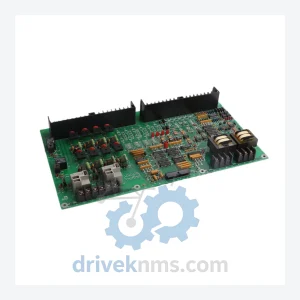
General Electric DS200DDTBG2ABB is listed for Mark VI RFQ review. Confirm quantity, condition and destination before quotation.
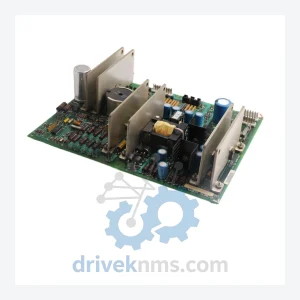
General Electric DS200TCPSG1AME is listed for Mark VI RFQ review. Confirm quantity, condition and destination before quotation.