
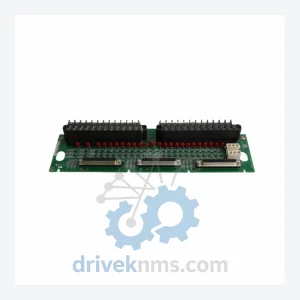
GE Fanuc IS200TBCIS2CCD I/O Terminal Board – Mark VI Redundant Control System
GE Fanuc IS200TBCIS2CCD is listed for Mark VI RFQ review. Confirm quantity, condition and destination before quotation.
RFQ-ready industrial model
Model: IS200TSVCH1A
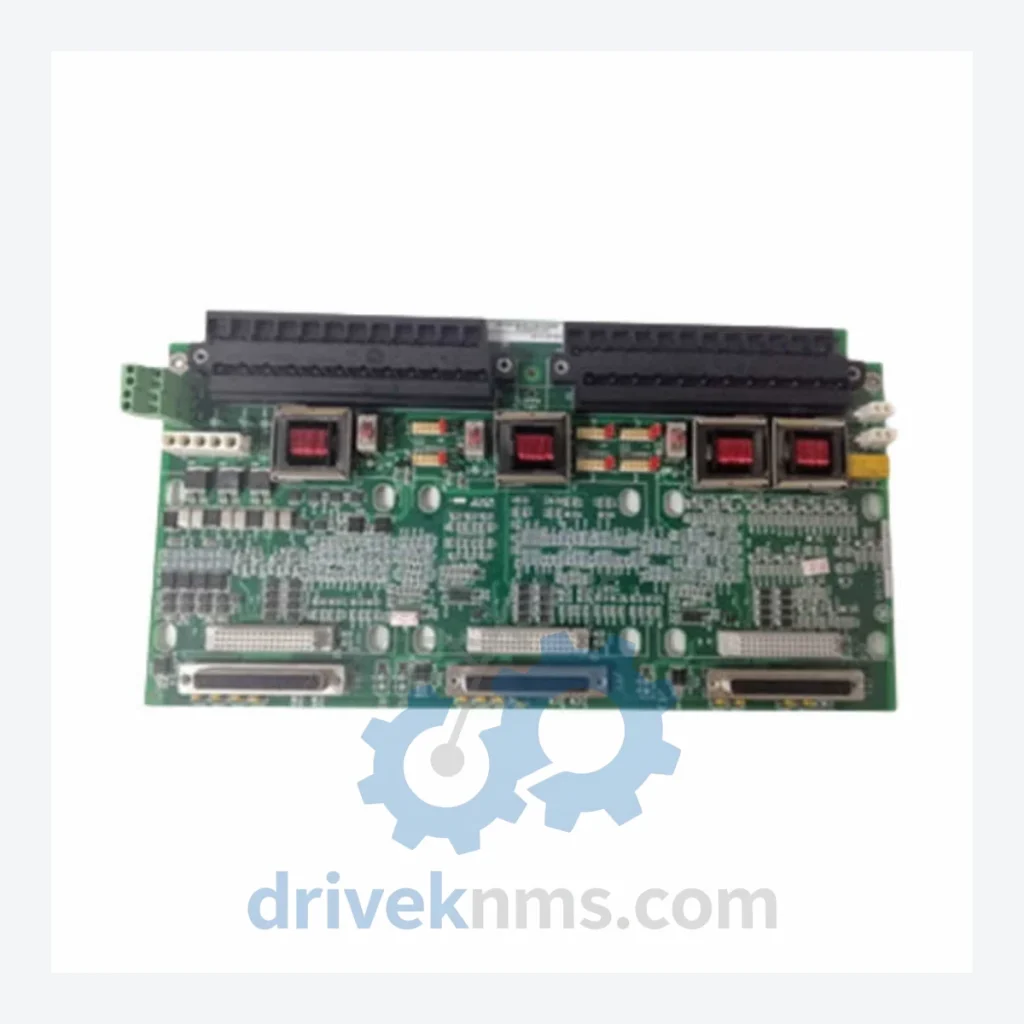
Product Overview
Commercial availability is handled through direct RFQ, model verification and export-oriented follow-up rather than public cart checkout.
Datasheet Preview
Use attached product manuals when available. If the manual is not public yet, request the full file directly through RFQ.
Commercial Path
Product pages on DRIVEKNMS are designed to verify model, brand and series first, then move the buyer into one clean quotation path.
Technical Dossier
RFQ support for obsolete parts: Send the model number, required quantity and destination so DriveKNMS can confirm sourcing options before quotation.
| Part Number | IS200TSVCH1A |
| Manufacturer | GE (General Electric) |
| Series | Mark VI Turbine Control System |
| Function | I/O Terminal Board – signal interface between field wiring and Mark VI control modules |
| Compatible Systems | GE Mark VI, Mark VIe (legacy configurations) |
| Typical Application | Gas turbine, steam turbine, and combined-cycle power generation control |
| OEM Status | Discontinued – no longer manufactured by GE |
| Country of Origin | United States |
Note: Electrical parameters specific to individual board revisions are not published here to prevent misapplication. Contact our technical team for revision-specific data sheets.
The GE Mark VI platform was the dominant turbine control architecture deployed across power generation facilities worldwide from the mid-1990s through the 2010s. Thousands of units remain in active service today. GE's transition to the Mark VIe and subsequent platforms has left operators of legacy Mark VI systems in a structurally difficult position: the OEM no longer supports the hardware, third-party repair capacity is shrinking, and the cost of full system replacement is prohibitive for assets with 10–20 years of remaining mechanical life.
The IS200TSVCH1A sits at the intersection of field instrumentation and control logic. It is the physical termination point for thermocouple, RTD, and discrete I/O signals feeding into the Mark VI controller. Without a functioning terminal board, the control system loses visibility into critical process variables — a condition that forces either an emergency shutdown or unsafe manual operation. There is no software workaround. There is no cross-compatible substitute from the current GE catalog.
Facilities that have extended their Mark VI asset life by 5–10 years beyond OEM support typically share a common strategy: they identified the highest-failure-risk boards — terminal boards, power supplies, and communication modules — and secured verified spare inventory before the secondary market dried up. The IS200TSVCH1A is consistently on that list. Procurement teams that act on this now, rather than after a failure event, retain negotiating leverage and avoid the premium pricing that accompanies emergency sourcing.
Discontinued boards sourced from the secondary market carry risks that new OEM parts do not. DriveKNMS applies a structured 5-step inspection protocol to every IS200TSVCH1A unit before it is offered for sale:
Q: How are RFQ terms confirmed?
A: Quantity, required condition, documentation needs, destination and sourcing route are confirmed during RFQ review before quotation.
Q: How is condition confirmed before quotation?
A: Available condition, photos, test records and documentation are checked according to the requested model and sourcing channel before a formal RFQ response.
How do I know the board is genuine GE and not a counterfeit?
All units are sourced through documented supply chains. GE part markings, date codes, and board revision labels are verified during intake inspection. We do not source from unverified liquidation channels.
Q: Can you support multi-unit or repeat RFQ requests?
A: Yes. Send the model list, target quantity and destination so DRIVEKNMS can review sourcing options and quote the requirement as a project RFQ.
Continue The Model Path
Move from this exact model into the matching system hub, brand archive, model-family archive or lifecycle sourcing route before sending a final RFQ list.
Related Paths
GE Fanuc IS200TBCIS2CCD is listed for Mark VI RFQ review. Confirm quantity, condition and destination before quotation.
General Electric DS200TCDA-HBHE is listed for Mark VI RFQ review. Confirm quantity, condition and destination before quotation.
General Electric IS200DSPXH1DBD is listed for Mark VI RFQ review. Confirm quantity, condition and destination before quotation.